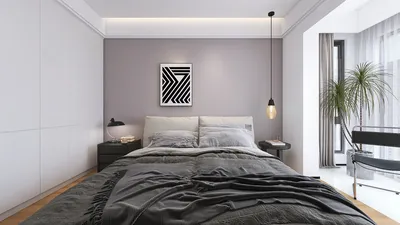


I see a crockery almirah as both a practical storage solution and a visual centerpiece that harmonizes with the overall design of the room. In living spaces, it often serves as the understated hero, beautifully displaying cherished ceramics, everyday dishware, and thoughtfully selected decor—while deftly concealing mess. When designed well, it contributes significant presence without disrupting movement or light flow.
Well-considered dimensions can profoundly enhance usability: Research from Steelcase has revealed that well-organized layouts can decrease task times and error rates, facilitating seamless entertaining and daily activities. Lighting is crucial as well; according to IES recommendations, display areas typically thrive at 150–300 lux to showcase details without producing glare, whereas nearby sitting areas benefit from lighting levels around 200–300 lux. The WELL v2 standard emphasizes glare reduction and balanced light intensity, promoting visual comfort in versatile living environments.
The interplay of color and emotion is crucial. Insights from Verywell Mind suggest that shades of blue and green foster tranquility, while warm neutral tones create an inviting atmosphere—these are the principles I apply when choosing finishes and back panels for the cabinet, ensuring the display remains soothing rather than chaotic. Generally, I combine warm wood finishes with museum-quality LED lighting (2700–3000K) to enhance the beauty of porcelain and glass, restricting bold colors to one-third of the displayed items for a balanced aesthetic.
Evaluate Your Area and Objectives
Begin with measuring dimensions and understanding room behavior. Take note of wall length, ceiling height, and depth allowances near openings and pathways. If hosting is frequent, opt for open shelving for easy access and a hidden base for trays, napkins, or appliances. In smaller living rooms, consider a tall, slim cabinet with mirrored or textured glass to preserve light without revealing everything inside. A room layout tool, such as Homestyler, can help visualize placement and flow before finalizing your choices.
room layout tool
Dimensions, Clearances, and User Comfort
I aim for a cabinet depth of 12–16 inches for the majority of crockery, with 18 inches for larger platters. Ensure 30–36 inches of clearance in front for easy accessibility, and avoid conflicts between door swings and seating arrangements. Shelf heights should range from 9–11 inches for smaller items like bowls and cups; 13–15 inches for taller vases. If your furniture features drawers, opt for soft-close mechanisms and full-extension slides to ensure the safe handling of heavier items.
Designs That Complement Living Spaces
Transitional: Shaker-style fronts, matte hardware, and neutral palettes harmonize well with both modern and traditional aesthetics. Modern: Streamlined doors with minimal pulls, featuring reeded or smoked glass for a polished look. Traditional: Framed doors and crown moldings paired with rich stains reflecting existing woodwork. In eclectic designs, I often merge a concealed base (to hide substantial items) with open, illuminated sections for standout pieces—maintaining a clear visual hierarchy in the space.
Material Choices and Durability
Engineered wood with high-pressure laminate offers durability and cost savings; solid wood is favored for its weight and ability to be repaired. For shelving, choose tempered glass for both elegance and ease of maintenance; an 8–10 mm thickness provides stability for heavier dishware. Moisture-resistant finishes safeguard against humidity variations. For environmentally conscious choices, seek low-VOC options and sustainably sourced woods; Material ConneXion often highlights low-emission, circular materials designed for everyday residential applications.
Illumination: Showcase Without Glare
Establish a multi-layered lighting scheme. Integrated LED strips (2700–3000K) under shelves enhance the warmth of ceramics and glassware, with dimmable options for mood adjustment. Position lights to stay below the line of sight to prevent glare on shiny plates. To draw attention to special items, incorporate small puck lights into one or two display niches; excessive lighting can diminish detail. Link the cabinet lighting to the room’s various settings to ensure each activity—like entertainment, reading, and enjoying a film—has the appropriate brightness.
Sound and Visual Tranquility
Glass-front cabinets can amplify sound; in vibrant living environments, contemplate laminated glass or include textile-backed panels in select areas to soften high tones. Visually, group items by color and varying heights to minimize clutter. A straightforward 60/30/10 color rule can be applied: approximately 60% calm neutrals, 30% tonal accents, and 10% striking highlights.
Storage Strategy: Daily Use vs. Special Occasions
I organize in tiers: everyday cups and bowls at waist to eye level; heavier platters should reside in the bottom section; delicate glassware should be placed in upper, well-lit niches. Anti-slip shelf liners are essential for securing fragile collections, and shallow dividers can help keep saucers in place. If the cabinet functions as a bar, consider lockable sections and heat-dissipating features for compact beverage coolers.
Placement: Create a Focal Point Without Clutter
An almirah performs best when positioned on the longest continuous wall, ideally across or beside main seating areas to facilitate serving flow. Avoid overcrowding around television zones—reflections can be distracting. In open floor plans, align the unit with the architectural flow (like columns or window settings) and maintain clear sightlines to entrances. If your living room is narrow, consider recessing the unit or opting for sliding doors to save space.
Color, Finish, and Atmosphere
Align the almirah’s finish with the underlying tones of the flooring to eliminate visual distractions. Warm oak, ash, or walnut harmonizes well with muted fabrics; deep green or blue shades can introduce a subtle sophistication—hues associated with peacefulness, as corroborated by color psychology studies. Satin or super-matte finishes can diminish glare and smudges, ensuring longevity of the surfaces.
Safety and Maintenance
Secure tall cabinets to wall studs. Choose tempered or laminated glass for doors and shelves. Incorporate soft-close hinges to prevent minor shocks that could damage items. For upkeep, use microfiber cloths and pH-neutral cleaning products to maintain finishes; ensure LED power supplies are easily accessible for replacements.
Budget and Value Considerations
Modular systems can start small and expand as needed. Invest in quality doors, hinges, and lighting—factors that enhance everyday satisfaction—while choosing more affordable materials for the carcass. Customized inserts for dishes and glassware improve usability without significantly raising costs.
Expert Insights
For optimal lighting practices and glare reduction in multifunctional living areas, refer to WELL v2 guidelines concerning visual comfort. Steelcase’s resources frequently delve into organization, workflow, and human interaction with interior spaces—valuable perspectives when determining what should be visible versus hidden.
- Measure wall, ceiling, and door swing clearances
- Select depth according to the largest platters (usually 16–18 inches)
- Plan illumination: 2700–3000K LED strips with dimmable drivers
- Separate everyday and specialty items; choose soft-close options
- Secure to studs; opt for tempered or laminated glass
- Use an interior layout planner to visualize flow and sightlines
Suggestions for Small Living Spaces
Maximize vertical space with slim cabinets and sliding doors. Consider mirrored backings or light finishes to enhance brightness. Integrate hidden storage at the base to maintain a tidy appearance.
Styling Tips for Displays
Organize by color and material—group porcelain with porcelain, glass with glass. Keep asymmetry minimal: feature one standout piece per shelf with complementary items in pairs or groups of three.
Incorporating Technology Tips
Create cable channels and ventilation for supplementary lighting or compact cooling solutions. Position dimmer switches within easy reach of seating for quick ambiance adjustments.
FAQ
Q1: What’s the recommended depth for a crockery almirah in a living area?
A: A depth of 12–16 inches is suitable for most plates and bowls, with 18 inches accommodating larger platters. This layout allows for comfortable circulation while securely fitting dinnerware.
Q2: How can I illuminate the display without causing glare?
A: Use warm LED strips (2700–3000K) under shelves fitted with diffusers, arranged to avoid direct lines of sight. Maintain illumination between 150–300 lux in display areas, adhering to IES residential task guidelines.
Q3: What finishes blend seamlessly with varied interior styles?
A: Satin or super-matte finishes paired with neutral lacquers work well together. Combining warm wood with smoked or textured glass can soften reflections and disguise minor clutter.
Q4: How can I safeguard delicate items?
A: Use tempered glass shelves, apply anti-slip liners, include soft-close mechanisms, and make use of full-extension slides. Store heavy items at the bottom and fragile glassware in well-lit upper sections.
Q5: Is it feasible for an almirah to function as a bar?
A: Absolutely—incorporate lockable sections, racks for stemware, and cooling features. Maintain a clear distinction between everyday crockery and beverages for effortless hosting.
Q6: Which color palettes foster a calm living environment?
A: Shades of blue and green invoke serenity, while warm neutrals create an inviting environment—consistent with established principles of color psychology. Use bold accents sparingly to maintain balance.
Q7: Where should I position the almirah in an open-plan area?
A: Place it on a long, uninterrupted wall aligned with architectural lines, far from strong reflections from TVs. Preserve at least 30–36 inches of clearance in front for easy access.
Q8: How can I plan the layout effectively before making a purchase?
A: Measure dimensions, door swings, and furniture. Experiment with scenarios using a room design tool like Homestyler to validate circulation pathways and sightlines.
Q9: What’s the most efficient way to organize everyday and special items?
A: Position daily-use items at eye level for quick access; place heavy or infrequently used platters in the lower tiers. Create illuminated niches for heirloom pieces.
Q10: Are glass doors practical for a family environment?
A: Yes, when using tempered or laminated glass along with soft-close hardware. Consider partial glazing or fluted designs to minimize the visibility of fingerprints and clutter from toys.

Homestyler is an outstanding platform for anyone looking to design their home effortlessly. Its user-friendly online design tool, along with impressive 3D rendering features and helpful video tutorials, empower you to create stunning spaces. Discover endless inspiration and take your interior design skills to the next level!
Design Now for FREE
































