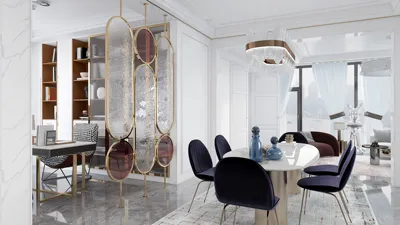


My time is often consumed by studying various floor plans and navigating through hotel corridors, and I've noticed that the term 'Deluxe Twin Room' is frequently overused. Fundamentally, a Deluxe Twin Room typically includes two distinct twin beds that come with premium finishes, ample space compared to a standard twin room, and an array of amenities focused on guest comfort. This might include enhanced acoustics, superior task and ambient lighting, improved seating arrangements, and frequently, a room situated on a higher floor or with a better view. These rooms are particularly suited for friends, colleagues, or families seeking private sleeping arrangements while ensuring a stylish environment.
The comfort of guests in these rooms goes far beyond simply counting beds. The WELL v2 guidelines suggest that effective acoustic strategies can notably diminish noise annoyance and enhance sleep quality, while its lighting recommendations promote circadian-friendly illumination, positively impacting overall well-being. Research by Steelcase indicates that environmental elements like lighting and acoustics correlate significantly with user satisfaction and productivity, especially useful for those converting hotel desks into temporary workspaces. These insights illustrate that a genuine 'deluxe' experience emphasizes measurable comfort rather than just a larger television. For comprehensive information on holistic comfort standards, the WELL Building Standard (WELL v2) provides extensive guidelines related to light, air, and sound, and Steelcase continuously publishes studies on workplace comfort.
When assessing a Deluxe Twin Room, I focus on three key indicators: spaciousness (ensuring clear walking paths and intuitive zoning), layered lighting (a mix of ambient, task, and low-glare accent lights), and sound dampening (soft materials, effective door seals, and well-planned partitions). These components distinguish genuine accommodations from mere marketing labels, especially significant for two guests with varying routines sharing the same space.
What Defines a 'Deluxe' Twin Room
Hotels usually mark deluxe offerings by an increase in square footage and quality finishes. This often includes two standard twin beds (generally 90-100 cm wide each), a dedicated desk area equipped with task lighting, upgraded fabrics, and a larger bathroom featuring additional storage space. You may also find accent chairs or a cozy lounge space, improved blackout treatments, and advanced lighting controls. Many modern properties enhance the deluxe experience with features like rain showers, high-quality acoustic doors, and a thoughtfully designed color palette that combines tranquility with character.
Layout: Effective Zoning for Two Guests
Well-designed deluxe twin layouts promote seamless circulation and privacy. I look for:
When reviewing floor plans prior to booking, utilizing a comprehensive room design visualization tool can significantly aid in visualizing bed placement or desk positioning. A practical interior layout planner, such as Homestyler, can assist you in determining if two beds and a desk can coexist comfortably without any compromises.
Lighting That's Deserving of the 'Deluxe' Title
Lighting layers are essential. Ambient light should be consistent and adjustable, with task lighting for each bed and the desk area. I strive for warm-white reading lights ranging from 2700-3000K with precise beam focus to prevent light spill onto the other bed. The bathroom lighting, ideally around 4000K at the mirror, provides more accurate color representation for grooming. Proper glare management is crucial; I lean towards shielded sconces and indirect cove lighting to enhance visual comfort while adding depth to the space. According to WELL v2 principles, it's vital to minimize circadian disruption, making motion-sensor low-level night lighting an elegant addition that assists in nighttime navigation to the bathroom.
The Psychology of Color and Material Choices
Deluxe twin rooms should create a calming atmosphere for two distinct personalities. Utilizing soothing neutrals with softened blues or greens can lower arousal levels, while a single, vibrant accent can establish identity without overwhelming the senses. I often incorporate matte surfaces to diminish reflections—using acoustic wall treatments, heavy curtains, and textile headboards to minimize sound reverberation. For those who prioritize sustainability, look for standards such as low-VOC certified flooring and durable linens; premium materials contribute to improved air quality and longevity.
Acoustic Comfort: The Quiet Enhancement
With two guests, the potential for disturbances doubles. I pay close attention to perimeter door seals, solid-core entry doors, and minimizing reflections from hard surfaces. Upholstered furniture, plush area rugs, and textured wall coverings help mitigate noise. Bathrooms adjacent to the main sleeping area should include sound-absorbing features to block plumbing sounds at night. If white noise is provided, it should be manageable and favor low frequencies to obscure hallway noises without being disruptive.
Ergonomics for Work and Relaxation
Deluxe twin rooms frequently serve as temporary workspaces. I emphasize desk heights of about 28-30 inches (710-760 mm), chairs that provide lumbar support, and task lighting that focuses well. Outlets at desk height help manage cable clutter. Bedside tables should be conveniently positioned slightly below the mattress height for easy access. Additional hooks near the entrance and a bench for luggage or jackets promote smooth movement through the space.
Details on Bathroom and Storage Features
Genuine deluxe features include walk-in showers with level slip-resistant flooring, strategically placed shelves or niches that are not directly under the main water flow, and vanities with layered lighting: soft frontal illumination paired with overhead lighting. Storage should accommodate the needs of two guests, with at least two drawers, dual luggage stands or a long bench, and ample hangers. For open-concept closets, opt for quiet hardware and soft-close drawers to minimize nighttime noise.
Differentiating Twin, Double, and Queen Beds
- Twin: two distinct single beds (commonly 90-100 cm/35-39 inches wide). Ideal for friends or colleagues.
- Double: one bed approximately 135 cm/54 inches wide. Cozy for couples, though tight for taller guests.
- Queen: a single bed around 152 cm/60 inches wide. Provides more personal space, typically the default choice for couples.
A Deluxe Twin Room offers the distinct advantage of two beds along with superior light, materials, and a spacious feel that promotes comfort and reduces any sense of compromise.
Designing for Two Routines: Behavioral Considerations
In practical scenarios, it’s rare for two guests to maintain identical schedules. I favor design elements that provide visual breaks—such as a partial screen at the entrance—so those leaving early aren’t disturbed by corridor light. Adjustable task lighting for each occupant helps avoid unintentional wake-ups. A small accent chair positioned away from the bed creates a peaceful area for phone calls or late-night reading while the other guest rests.
Upcoming Trends for Deluxe Twin Rooms (2024-2025)
- Smart control systems: customizable presets for Sleep, Work, and Relax modes with dimming features.
- Upholstered headboards and ribbed acoustic wall panels serving as both aesthetic highlights and noise control.
- Warmer color temperatures in the evening, along with tunable white options in premium properties.
- Compact, high-performance work desks paired with ergonomic task chairs.
- Biophilic designs featuring actual or high-quality faux greenery to enhance perceived relaxation and softness in decor.
Selecting the Ideal Deluxe Twin
- Verify bed sizes and spacing; request specific measurements if traveling with large baggage or mobility aids.
- Inquire about the presence of layered lighting and individual bedside control options.
- Confirm whether the desk includes a proper task lamp and accessible outlets.
- Seek a room located away from busy areas (near elevators or service corridors) for improved acoustics.
- If you are sensitive to noise, request rooms with soft-close doors and solid-core barriers. Most hotel front desks can log these preferences beforehand.
Recommended Resources for Further Information
For light and circadian-support strategies referenced above, consider the WELL Building Standard (WELL v2). For studies on user satisfaction, environmental comfort, and work behaviors in shared environments, Steelcase’s research library serves as a valuable resource.
Frequently Asked Questions
Q1: How do you define a Deluxe Twin Room?
A1: It includes two separate twin beds with premium finishes, more expansive space than a standard twin, and enhanced comfort features: layered lighting, improved acoustics, better seating options, and often a superior view or location within the property.
Q2: Are twin beds comfortable for adults?
A2: Absolutely. Standard twin beds measure 90-100 cm (35-39 inches) wide, which is generally sufficient for most adults. If you are taller or prefer more spacious accommodations, be sure to check exact dimensions with the hotel.
Q3: In what ways does lighting differ in a deluxe room?
A3: Deluxe rooms typically provide adjustable ambient lighting, dedicated bedside reading lights, and appropriate desk lamps. Warmer 2700-3000K bedside lights minimize glare and spillage, while 4000K at the mirror offers better grooming accuracy.
Q4: What acoustic features should I expect?
A4: Look for solid-core doors, effective perimeter seals, soft furnishing materials (such as drapery and upholstered headboards), and well-fitted hardware to minimize corridor and mechanical noise. This is especially important when two guests have different schedules.
Q5: Is a Deluxe Twin Room more suitable for business travel?
A5: Often, yes. These rooms usually offer functional desks equipped with task lighting, reliable outlet access, and comfortable seating arrangements for phone calls. Research from Steelcase highlights that environmental comfort contributes to productivity, aligning with the superior lighting and acoustics found in deluxe accommodations.
Q6: Can the twin beds be combined into a larger bed?
A6: Many hotels can arrange for twin beds to be set up as a king with a topper, but it's advisable to confirm this beforehand. If this is an option, ensure that symmetrical nightstands and adjustable bedside lighting are available to accommodate the change.
Q7: How can I ensure the room suits two different routines?
A7: Request individual bedside controls, a focused desk lamp, and a layout where the work area is positioned away from the beds. A small lounge chair placed out of direct sight of the beds can serve as a tranquil area for late-night reading.
Q8: What should I look for in the bathroom?
A8: Check for a walk-in shower with even flooring, strategic shelving away from the main water source, and well-layered lighting at the mirror. Adequate storage for two guests (double hooks, additional shelves) contributes to a more efficient morning routine.
Q9: Are deluxe twin accommodations environmentally friendly?
A9: Not inherently. If sustainability is important to you, inquire about low-VOC materials, durable textiles, and energy-efficient lighting options. Superior materials often enhance longevity and comfort.
Q10: How does color influence restfulness?
A10: Softer neutrals paired with muted blues or greens tend to create a calming environment; a singular accent color can offer identity. Steer clear of overly bright, glossy finishes near the bed, as they can be overly stimulating and contribute to glare.
Q11: Which floor should I request to minimize noise?
A11: Mid to upper floors positioned away from elevators and service areas generally provide a quieter experience. Corner rooms may offer additional separation from the corridor noise.
Q12: What quick checks should I make before booking?
A12: Confirm bed sizes and spacing, availability of layered lighting, desk and task lamp, outlet placement, blackout effectiveness, and door specifications. If you are noise-sensitive, inquire about door seals and soft-close mechanisms.

Minimalist Solid Oak Platform Bed Frame 3D Model


Modern Japandi Oak Rattan Nightstand With Open Shelf 3D Model
Minimalist Solid Oak Wood 2 Drawer Nightstand 3D Model
Homestyler is the ultimate online home design platform, perfect for anyone looking to transform their space. With its user-friendly design tool, stunning 3D renderings, diverse design projects, and informative video tutorials, you can easily unleash your creativity and bring your interior design visions to life!
Design Now for FREE
































