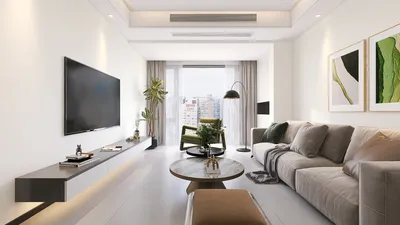


Deluxe rooms offer more spacious layouts compared to standard options, featuring enhanced finishes and superior amenities, but they don’t quite reach the suite standard. A thoughtfully crafted deluxe room effectively balances aspects like spatial dimensions, acoustics, illumination, and ergonomics, ensuring a significantly more enjoyable experience without a steep price increase. Through my experience in hospitality design, I've found that thoughtful allocation of space, effective zoning, and quality lighting yield greater benefits than mere decorative additions.
The importance of space cannot be overstated. Studies reveal a strong link between perceived comfort and the clarity of spatial arrangements coupled with their relevance to different tasks. Research conducted by Gensler consistently connects well-organized spatial ratios and quality lighting to enhanced user satisfaction, underlining the need for flexible areas conducive to both focused work and relaxation (visit gensler.com/research). The WELL Building Standard (WELL v2) also underlines the significance of properly tuned lighting—both in intensity and circadian support—contributing immensely to guest room design; correctly layered lighting plays a crucial role in promoting better rest and aiding grooming activities.
In a deluxe room, the quality of lighting should be measurable. The Illuminating Engineering Society (IES) sets recommended illuminance targets—approximately 300–500 lux for reading and detailed grooming tasks—while ambient light can be lower to foster relaxation (ies.org/standards). During my assessments of hotel accommodations, a common oversight is the presence of overly warm or dim ambient light without dedicated high-CRI task lighting; this compromises both grooming effectiveness and reading comfort. Optimal specs for a deluxe room include adjustable bedside lighting around 3000-3500K, vanity lighting close to 4000K with superior color rendering, and glare reduction features to mitigate direct glare.
Defining a Deluxe Room
- A more spacious area than standard rooms, typically designed for easier movement around the bed and offering a seating area along with a larger vanity or bathroom.
- Enhanced finishes: superior upholstery, improved sound insulation, and refined fixtures.
- Advanced lighting options: a mix of ambient, task, and accent lights with adjustable settings.
- Quality bedding: premium mattresses, linens with higher thread counts, and a variety of pillows catering to different sleep preferences.
- Functional enhancements: increased storage, better desk ergonomics, and convenient power sources at nightstands.
- Potential for improved views or higher elevation levels, though it's not a guarantee.
Layout and Space Zoning
An effectively designed deluxe room clearly delineates various zones: entry and storage, sleeping quarters, lounge/work area, and bath. My goal is to achieve clear circulation routes (ideally around 900-1000 mm paths) and orient the bed towards the room's focal point—either a window or feature wall—while ensuring traffic flow remains unobstructed. When evaluating properties, pay attention to whether the lounge chair or small sofa allows access to balconies and if the desk is positioned away from glare-prone windows. For planning or assessing layouts at home, utilize a room layout tool to visualize furniture arrangement and movement flow prior to your stay: room layout tool.
Lighting: Comfort, Control, and Color
At a deluxe level, the lighting should distinctly serve ambient, task, and accent purposes, along with dimming capabilities. For reading in bed, aim for 300-500 lux with independently controlled lamps and directed beams that minimize direct glare. Vanity spaces benefit from vertical lighting positioned at face height, utilizing 4000K for accurate color rendering, crucial for makeup and grooming tasks. Accent lighting, like headboard uplights or wall-washers, adds depth, but maintaining consistent color temperatures is essential to avoid visual inconsistency. The circadian lighting intention in WELL v2 encourages adjustable lighting options, as even basic two-setting lamps can significantly aid in evening relaxation and morning wakefulness.
Acoustic Comfort
Sound isolation is a crucial yet often overlooked element of deluxe comfort. Seek solid-core doors, soft-closing hardware, carpets or premium underlays to minimize noise impact, and properly sealed windows. A thick layer of drapery (combining sheers and blackout curtains) can also help absorb sound. In urban hotels, having a white-noise feature can help mask sudden street noises. I usually inquire about the Sound Transmission Class (STC) ratings for partitions; even modest enhancements can significantly decrease noise interruption and improve sleep quality.
Ergonomics and Human Factors
Attention to ergonomics can enhance guest experience through refined details: desks should be around 28-30 inches in height, with chairs providing lumbar support, and power outlets conveniently located at desk and bedside height. Bedside controls ought to be easily accessible, allowing for a one-touch 'all-off' feature for lighting. Additionally, a luggage bench should be positioned near the closet to aid in packing and reduce clutter. Aligning these elements creates an intuitively usable space, rather than just a decorative environment.
Colors, Materials, and Psychology
Color choices can impact guest emotions subtly. Neutral palettes infused with desaturated blues or greens tend to foster a calming environment, while warm accents can add to the comfort in cooler climates. An overview from Verywell Mind indicates that shades of blue are connected to feelings of stability and tranquility (verywellmind.com/color-psychology). Selection of materials also plays a vital role in durability and tactile pleasure: upholstered headboards, textured area rugs defining lounge spaces, and non-slip finishes in bathrooms are key considerations. Choices focused on sustainability, such as low-VOC paints and efficient water fixtures, contribute positively to both health and longevity.
Bathroom Features in Deluxe Rooms
In terms of amenities, expect enhanced features such as larger vanities, superior lighting, and higher-quality fixtures. A walk-in shower with a linear drain, combined with both handheld and overhead shower options, usually surpasses more confined tub-shower configurations. Temperature-stable fittings and anti-slip flooring are highly recommended. Should soaking tubs be present, check for adequate deck space for toiletries and a handheld shower for practical use, not merely for aesthetics.
Quality of Bedding and Sleep
Mattress quality stands out as a key differentiator: a medium-firm option with zoned support accommodates a broad range of sleepers. An array of pillow choices—such as down alternatives alongside firmer foam options—supports varied preferences and needs. Combining blackout drapes with soundproofing creates an ideal environment for restorative sleep. For those sensitive to light, confirm the use of side-channel blinds or overlapping drapes to eliminate morning light gaps.
Technology and User-Friendliness
Convenience features might include a sufficient number of USB-A/USB-C ports, universal outlets, reliable Wi-Fi, and straightforward in-room controls. Motion-sensor night lights help prevent injuries, and thermostats should enable precise temperature management. Amenities like streaming-capable TVs and Bluetooth speakers enhance guest convenience, while wireless charging pads help minimize cable clutter.
Differentiating Deluxe Rooms from Premiums and Suites
While premium rooms may offer similar aesthetics, they usually lack the same spatial quality or flow. Suites, on the other hand, feature separate living spaces and often additional dining areas; they are also generally priced higher with increased service expectations. A well-designed deluxe room mirrors many functional aspects of a suite, without partitioning, because thoughtful zoning and layout have been prioritized.
What to Consider When Reserving
- Prioritize layout clarity and spaciousness over mere decorative appeals.
- Evaluate lighting layers and bedside controls, along with the quality of vanity brightness.
- Acoustic considerations: sealed windows, layered drapery, solid-core doors.
- Ergonomics: accessible outlets, functionality of desk chair, luggage bench positioning.
- Practical aspects of the bathroom: walk-in showers, anti-slip surfaces, shelf arrangements.
- Bedding considerations: pillow options, blackout drapes, mattress specifications.
- Technological aspects: charging facilities, streaming capabilities, thermostat functionality.
FAQ
A deluxe room is categorized above standard rooms, providing a more spacious environment, superior finishes, intricately layered lighting, and enhanced amenities without reaching suite levels. Comfort is a key focus, achieved through meticulous attention to layout, acoustics, and ergonomic details.
Room sizes can vary by market, but deluxe rooms typically offer a noticeably greater footprint than their standard counterparts. Look for clear walking paths (approximately 900-1000 mm) with distinct zones designated for sleep, lounge/work situations, and storage, rather than relying on specific square footage metrics.
Expect layered lighting options that include adjustable ambient, task, and accent sources. Reading tasks gain from 300-500 lux and bedside lamps around 3000-3500K, while vanity lighting should approximate 4000K with robust color rendering to aid grooming tasks. This guidance follows IES standards.
Typically, yes. Enhanced acoustic treatments—solid-core doors, sealed windows, high-quality furnishings, and heavier drapes—effectively decrease external noise transfer. If quietness is essential, inquire about the wall construction or STC ratings directly with the hotel.
Often, but not universally so. Generally, you can expect a dedicated seating area with a comfortable chair and side table; larger deluxe rooms may include a small sofa, depending on their layout.
Suites usually provide distinct separate living areas along with more extensive amenities. Deluxe rooms, however, enhance comfort by focusing on thoughtful zoning, detailed finishes, and improved lighting, offering value at a lower price point compared to suites.
Ideal desk height ranges from 28-30 inches, desks should have supportive chairs, and there should be easily accessible outlets located at desks and nightstands. Intuitive bedside controls and strategic luggage storage locations near the closet support effortless packing.
Soft neutral shades featuring desaturated blues or greens promote relaxation, while warmer tones contribute to a welcoming atmosphere. Seek tactile upholstery, textured rugs, and low-VOC finishes to ensure a healthier indoor air quality.
Absolutely. Vertical lighting positioned at face level around 4000K with a high color rendering index facilitates accurate grooming. Combine this with anti-slip flooring and well-situated shelving for optimal safety and functionality.
Certainly. Features like numerous USB-A/USB-C ports, universal power outlets, user-friendly thermostats, motion-sensing night lights, streaming-capable televisions, and wireless charging pads greatly enhance user convenience.
Definitely. Clear pathways, logical zoning, and appropriately scaled furnishings foster an inviting atmosphere and practical ease, making even smaller rooms feel more generous. Consider employing a room design visualization tool like Homestyler before booking to appreciate furniture flow.
Yes, they can be. Seek out options involving low-VOC finishes, durable fabrics, water-efficient fixtures, and energy-saving lighting to elevate health factors while maintaining a high standard of comfort.

Homestyler is your go-to online platform for transforming home design ideas into reality. With its easy-to-use design tool, stunning 3D renderings, and abundant DIY video tutorials, you’ll find endless inspiration and guidance to create the perfect space—regardless of your experience level!
Zaprojektuj teraz za darmo
































