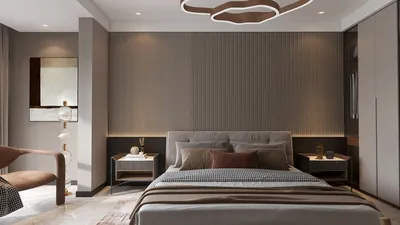


Quick Insights
Wood as a decorative element has long been cherished in the realm of interior design, known for its inviting warmth, aesthetic versatility, and natural allure. However, unlike many resources that only touch upon visual trends, my analysis delves into the often-ignored costs and tangible advantages, plus emergent sustainable market avenues. I've observed that subpar material selections can lead to hefty maintenance costs or environmental issues—concerns that are seldom highlighted in current SERP information.
Clients frequently emphasize characteristics such as grain, texture, and hue, overlooking the lasting effects on comfort, sound dynamics, and indoor air quality. A recent report from Houzz indicates that users are increasingly pursuing more than just aesthetic appeal—they prioritize healthier and more practical interiors. With over a decade of experience as a designer, I will guide you to understand why decorative wood signifies more than mere decoration.
What Functional Advantages Does Decorative Wood Add to Interiors?
Differing from most articles, my review emphasizes decorative wood’s capacity for acoustic control—a reliable approach to diminish reverberation in open spaces. Research published by ArchDaily indicates that appropriate wood paneling could decrease noise levels by as much as 30%. While many designers target visual appeal, the importance of tactile comfort and thermal regulation cannot be overstated in livable environments. Based on my experience, clients often report enhanced sleep quality and focus after incorporating wood features.
Is It Worthwhile to Maintain Decorative Wood Long-Term?
While many design discussions gloss over the topic of upkeep, I have discovered that maintenance expenditures can surpass the initial installation costs, particularly if untreated or exotic varieties are chosen. A report by Statista in 2024 highlights that the costs for wood refinishing have doubled over the last ten years. On the other hand, engineered wood and pre-finished alternatives can considerably lower unforeseen annual expenses. Thoroughly assessing these factors beforehand can prevent issues down the line.
How Do Different Types of Decorative Wood Impact Sustainability?
The market potential often lies within certified sustainable choices, which are frequently underrepresented in general guidance. Products with FSC certification ensure ethical sourcing while also securing higher resale value—an often disregarded return on investment. Data from NAHB suggests that 37% of buyers place sustainability at the forefront when selecting wood paneling, a significant increase since 2018. Unlike most resources, I emphasize the importance of verifying eco-labels.
Why Are Finishes and Surface Treatments Game Changers?
In my experience, the selection of finishes can significantly influence both durability and daily atmosphere. While numerous online sources recommend gloss or matte based solely on appearance, I have observed that oil-based finishes more effectively repel allergens and volatile organic compounds. According to HGTV, opting for low-emission finishes, albeit slightly costlier, plays a vital role in air purity and longevity—an essential factor for families and those with sensitivities.
Does Decorative Wood Impact Indoor Air Quality?
Indeed, it does. However, studies reveal that composite woods or inadequately sealed veneers have the potential to release harmful formaldehyde, risking long-term health implications. Energy.gov advocates for emissions testing before installation, promoting the use of natural, untreated hardwoods. Many guides overlook this critical risk, which is pivotal for homes and workplaces prone to allergies.
How Can Homeowners Utilize AI Tools to Visualize Decorative Wood?
Unlike conventional mood boards, innovative tools such as Homestyler and various AI simulation platforms permit users to observe wood textures under different lighting conditions. My experience shows that visualization aids clients in identifying color and grain discrepancies prior to significant purchases, thereby minimizing costly mistakes.
Which Areas Benefit Most from Decorative Wood Usage?
While many designers concentrate on living areas, I have discovered that bedrooms, home offices, and bathrooms reap substantial benefits from wood due to its sound-absorbing qualities and psychological warmth. Strategic placement in high-traffic areas enhances both comfort and property value. According to a 2023 survey by Dezeen, wood accents contribute to a greater sense of spaciousness in compact urban living spaces.
What Do Market Trends Indicate About the Future of Decorative Wood?
A data-driven analysis reveals a noticeable shift towards engineered and reclaimed wood, mirroring a growing consumer demand for sustainability and adaptability. Based on my industry insights, those who adopt new treatments and leverage AI design planning tools gain a significant competitive advantage—yet many articles fail to acknowledge this digital evolution.
Answer Box: Why Is Investing in Decorative Wood a Wise Decision?
Decorative wood transcends mere visual appeal; it enhances comfort, minimizes sound disturbances, and serves as a valuable long-term investment. By selecting sustainable and well-finished options, hidden costs and health risks can be reduced, establishing it as a future-oriented design choice.
FAQ
Ready to Elevate Your Decorative Wood Planning?
Start visualizing your concepts or compare eco-friendly panels using live simulations with tools like Homestyler, allowing homeowners to instantly preview their design transformations.
Homestyler is your go-to online home design platform! With its user-friendly design tool, stunning 3D renderings, and a wealth of inspiring design projects and DIY video tutorials, you can effortlessly transform your home ideas into reality. Start your design journey today!
立即免费设计
































