


Creating an initial sketch for 3D modeling is a vital step that lays a solid groundwork for your design journey. Regardless of whether you're a beginner or an experienced designer, being able to transform your concepts into a physical format is essential. This guide will lead you through the various stages of crafting effective sketches, ensuring a more streamlined modeling experience using tools like Homestyler.
Grasping the Fundamentals of 3D Sketching
Before you commence with sketching, it’s important to understand the dimensions and proportions of the object you intend to model. Utilizing a ruler or grid paper can help ensure precision. In 3D sketching, acknowledging various perspectives—top, front, and side views—is key. Begin by outlining these views to form a foundational shape and perspective.
Refrain from overanalyzing every single detail at this point; concentrate on getting the primary proportions correct. Keeping your sketches broad will provide greater leeway when advancing into the modeling phase.
Collecting Reference Materials
Gather a collection of reference images and materials that pertain to your object. This could include photographs of actual objects or sketches from multiple viewpoints. Having these references accessible during sketching enables you to grasp the nuances of your design and offers a visual aid as you move forward.
Don't forget to examine the functional elements of your design. Will it have a specific use? Comprehending the requirements of its application can influence how you approach your sketching.
Strategies for Effective Sketching
1. Begin with Light Lines: Start with gentle pencil strokes to draft an initial outline. This approach allows for changes without harming the overall sketch.
2. Emphasize Details: Once the basic shape is in place, begin incorporating details into your sketch, such as textures or patterns. These additions will assist in visualizing your final 3D model more effectively.
3. Layering Your Sketch: If using digital software, create distinct layers for different components of your design. For example, designate one layer for the structure, another for textures, and a separate one for lighting effects.
Concluding Your Sketch
After completing your sketch, take a moment to evaluate it critically. Ascertain that it accurately depicts your envisioned model. Ask yourself whether any vital elements are absent or require further refinement.
When you feel confident about your sketch, it can serve as a valuable reference for building your 3D model in Homestyler. Remember, the clarity of your sketch will greatly ease the modeling process!
Frequently Asked Questions
Q: Which tools are suitable for sketching? A: You can utilize traditional materials like pencils and paper or opt for digital solutions such as tablets and sketching software.
Q: How much detail should my sketches contain? A: Your sketches should encompass key details, but avoid overcomplicating them during the initial stages.
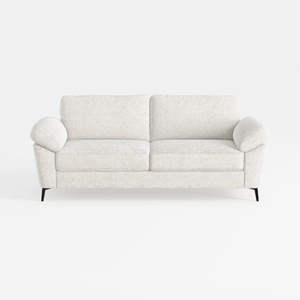
Minimalist Fabric Loveseat Sofa with Black Metal Legs 3D Model
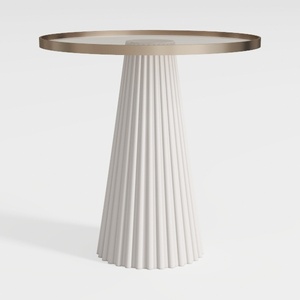
Modern Minimalist Fluted Base Glass Top Side Table 3D Model

Homestyler is your go-to online home design platform, perfect for both beginners and experienced decorators. With an intuitive design tool, stunning 3D renderings, diverse design projects, and helpful video tutorials, you can effortlessly turn your home design dreams into reality. Start creating today!
Zaprojektuj teraz za darmo
































