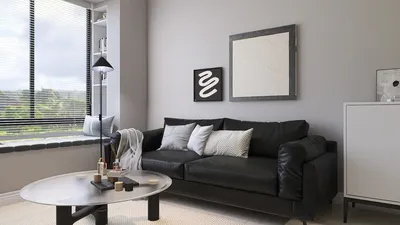


Cream curtains not only enhance the warmth and luxurious feel of modern living spaces but also soften bold architectural features. By incorporating them, I can illuminate north-facing rooms while establishing a serene foundation for various textures and artwork. The choice of fabric, header design, and lining plays a critical role in managing daylight, reducing noise, and subtly shaping the atmosphere. In areas dedicated to reading, socializing, and leisure, cream curtains serve as a neutral filter—allowing light to come through without dulling the colors around it, which is a perfect complement to designs done with tools like Homestyler.
Controlling daylight is about more than just visual appeal. The Illuminating Engineering Society (IES) recommends maintaining a brightness level of 150–300 lux in living rooms, raising it for tasks like reading. Cream curtains, especially those with sheer or dim-out linings, help achieve this comfort level by diffusing harsh glare and stabilizing the overall brightness. Additionally, the WELL Building Standard (WELL v2) emphasizes visual comfort and outdoor connectivity; layered cream solutions maintain a link to nature while reducing contrast, which is essential for minimizing eye strain. These benchmarks guide my fabric and lining selections, particularly for open-plan or media-focused lounges.
Choosing the Right Shade of Cream: Hue, Undertone, and Environment
Cream is a versatile color that varies from warm ivory to light almond. I examine undertones against my flooring and wall colors in both morning and sunset lighting. For walls with cooler tones (like soft gray, blue, or greige), a neutral cream with lower yellow content prevents a mismatched effect. Conversely, warmer creams pair beautifully with oak flooring or camel leather hues. Keep a fabric swatch near the window and assess it at different times of the day; LED lighting at 2700–3000K may warm the hue, while northern light could offer a more muted appearance—select your cream accordingly.
Fabric Choices: Weight, Drape, and Sound Absorption
In contemporary living rooms, I prefer blends of linen, cotton sateen, or wool crepe for a harmonious touch. Linen-blend sheers afford gentle light diffusion without excessive shine; heavier cotton or wool enhances acoustic comfort by absorbing unnecessary noise from conversations or media. For spaces with hard surfaces, interlinings can add volume and soundproofing without bulk. If glare is an issue, a dim-out lining helps maintain a soft luminance while ensuring the room feels inviting and bright.
Choosing Header Styles and Establishing Visual Rhythm
The header style significantly influences the aesthetic. Double or triple pinch pleats suggest a tailored and classic look, while ripplefold headers complement minimal, modern interiors with flowing lines and clean tracks. It’s essential to ensure the bottom hem is accurately placed to create a floor-kissing effect or a 1–2 inch break for a more relaxed appearance. In open-plan designs, mimic the rhythm of the curtains with linear lighting and architectural details to create a unified visual flow. To visualize furniture arrangement and circulation, using room layout tools like Homestyler can help you simulate sightlines and the depth of panel stacking.
Managing Light: Layering Sheer and Lined Treatments
I often recommend a dual-layer system: cream sheers for daytime light diffusion paired with lined panels to ensure evening privacy or comfort during media viewing. This approach generally maintains around 150–300 lux in lounge areas, while also safeguarding TV setups from bothersome glare. If your living area is oriented to the west, consider installing solar sheers behind decorative cream panels to fend off late-day brightness without sacrificing warmth. Ensure your rods or tracks are wide enough to fully stack the panels away from the glass—about 25–40% wider than the window—to optimize natural light during the day.
Ergonomic Design and Everyday Functionality
Curtains should facilitate daily routines seamlessly. For larger panels, install pull wands or consider motorizing ripplefold tracks to reduce strain and inconvenience. In family spaces, opt for sturdy, tightly-woven fabrics and machine-washable linings. Use tiebacks or magnet catches to prevent curtains from drifting into busy areas. For lower sofas situated near windows, mounting curtains higher (4–6 inches above the window or even to the ceiling) elongates perceived height, which enhances proportions and visual comfort within the room.
The Psychology of Color: Effect of Warm Neutrals on Mood
Warm creams foster a sense of tranquility and social interaction in living areas meant for multiple users. Studies in color psychology show that softer, warm neutrals generate less visual excitement compared to vivid colors, fostering an environment conducive to relaxation and focus. I utilize accent colors on cushions and artwork while allowing cream curtains to stabilize the color scheme, preventing it from appearing overwhelming. For those favoring a monochromatic design, opting for a textured cream fabric (like slub linen or bouclé) adds tactile depth without introducing new colors.
Contemporary Hardware Solutions: Tracks, Rods, and Minimalist Design
For modern interiors, ceiling-mounted tracks offer a sleek finish. Matte black rods provide grounding against dark window frames, while satin nickel coordinates elegantly with lighter walls. I specify low-profile carriers on ripplefold tracks to avoid bulky appearances and prefer return pieces at the ends to enhance light blocking. Where thermal efficiency is essential, continuous tracks can prevent gaps; pairing them with discreet pelmets minimizes light leakage and conceals mechanisms.
Proportions, Fabric Pooling, and Visual Harmony
The length of curtains greatly influences their ambiance. Skimming the floor offers a sharp, modern appeal; a slight break conveys a softer, more lived-in feel. It’s best to avoid excessive pooling in high-traffic family areas as it can gather dust and obstruct movement. The width of pleated panels should span 2.0–2.5 times the window, while ripplefold fullness typically hovers around 1.6–2.0 times. These ratios achieve a sense of depth and elegance without clashing with the overall aesthetic.
Sustainable Choices and Maintenance
Opt for fabrics that are OEKO-TEX certified or natural fibers that utilize low-VOC finishes. Linen and cotton both age beautifully, while wool helps regulate temperature. Choose linings that can be dry cleaned or machine washed based on your household's requirements. Regular steaming keeps the drape looking fresh, and a gently vacuum with a soft brush removes particles. To minimize fading, consider rotating your panels annually if they receive a lot of direct sunlight.
Layout Essentials and Sightline Considerations
Before you secure the hardware, sketch out panel arrangements and ensure door swing clearances. For corner windows, a continuous track with a bend prevents light gaps and maintains a smooth appearance. In rooms with uneven focal points, curtains can bring balance by framing art or shelving. To effectively visualize how the placement of panels influences seating arrangements and circulation, try using a room design tool to preview track lengths, stack depths, and sightlines from different perspectives.
Elegant Combinations of Cream Curtains
- Ripplefold sheers made of linen blend paired with dim-out lined panels for west-facing rooms.
- Wool-crepe pinch pleats designed for acoustic comfort within media-oriented living spaces.
- Textured cream fabrics featuring a subtle herringbone pattern against smooth plaster walls to enrich tactility.
- Solar sheers installed behind decorative cream drapery in areas prone to glare.
Frequently Asked Questions
Medium-weight blends of linen or cotton sateen provide an ideal combination of drape and light diffusion. Incorporating interlining enhances acoustic properties and improves thermal insulation without bulkiness.
Layering cream sheers with lined panels is optimal. Sheers help mitigate daytime glare, while lined options allow for privacy during media time. Ensure your hardware is installed sufficiently wide to stack panels clear of the glass, maximizing daylight when they are open.
It isn’t always necessary to match shades precisely. Instead, focus on aligning undertones: cooler walls should pair with neutral creams, while warmer walls work best with warmer creams. Always test swatches in your lighting conditions (such as 2700–3000K LEDs and natural light) before making a final decision.
Ripplefold headers create a seamless, minimal wave suitable for contemporary settings. Pinch pleats present a refined and timeless elegance for those seeking a more traditional look. The choice should align with the architectural style of the room.
To enhance perceived height and ensure visual balance, mount curtains 4–6 inches above the window or to the ceiling. Higher positioning minimizes top light leakage when used in conjunction with a pelmet or return.
Absolutely. Heavier fabrics, interlinings, and full-width panels can absorb mid-high frequency sounds, softening noise from conversations and television. This feature is especially beneficial in spaces with hard surfaces, improving overall comfort and reducing echo.
Select either a neutral or slightly warm cream, balancing with cooler accents such as stone, metal, or gray textiles. Texture adds visual interest without significantly altering temperature.
For pleated designs, a width of 2.0–2.5 times the window ensures depth and elegance, while ripplefold typically requires a width of 1.6–2.0 times. These ratios help maintain a modern and clean visual appearance without looking flat.
Motorized options are beneficial for wide panels or regular adjustments, improving ergonomics and preserving the fabric from frequent handling. A concealed motor paired with a ceiling track keeps the overall design sleek.
Lightly vacuum, steam to refresh fibers, and avoid strong cleaners. Opt for OEKO-TEX certified materials and rotate panels annually if they receive high sun exposure to minimize fading.
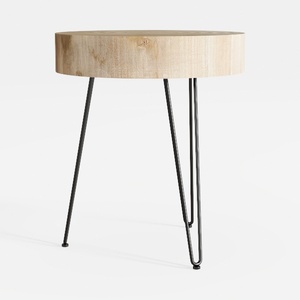
Minimalist Solid Wood Round Side Table With Metal Hairpin Legs 3D Model

Minimalist Travertine Top Solid Wood Round Coffee Table 3D Model
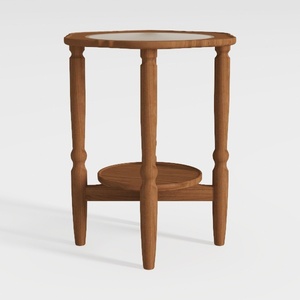

HOOBRO Small Round Side Table with Charging
Homestyler is your go-to online home design platform! With its user-friendly design tool, stunning 3D renderings, and a wealth of design projects and video tutorials, you can effortlessly create and visualize your dream space. It's perfect for both beginners and seasoned DIYers!
Design Now for FREE
































