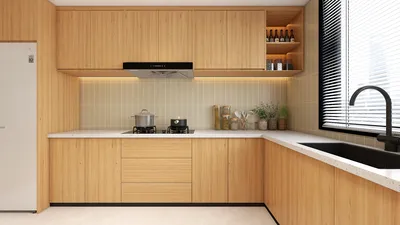


I have crafted an array of counter-height tables—more than I can barely remember—tailored for both homes and compact studios where having a robust, ergonomic surface simplifies daily tasks. An ideal DIY table typically stands at about 34–36 inches in height, conforming to standard kitchen counter dimensions while allowing for easy, strain-free activities. Research from Steelcase suggests that altering one’s posture throughout the day can alleviate musculoskeletal fatigue, and incorporating a counter-height option alongside seated workstations can significantly enhance comfort and mobility. Additionally, WELL v2 highlights the necessity of proper lighting at 300–500 lux for tasks such as food preparation and crafting, steering both design and finish decisions to boost safety and visibility. This is where tools like Homestyler come into play to visualize the best layout.
In actual projects, achieving the right proportions is more crucial than most realize. I maintain a legroom allowance of 10–12 inches and adhere to a 1:1.5 ratio for the visual balance between the top and base, ensuring stability. Research by Herman Miller indicates that working heights around 36 inches diminish forward bending during standing tasks, particularly for individuals measuring between 5'5" and 6'0". In planning room arrangements, I ensure clearance paths of 36–42 inches encircle the table for optimal movement and accessibility. If you need to quickly explore layouts before executing your build, utilizing a room layout tool like Homestyler can streamline the process and aid in visualizing clearances effectively.
Materials and Tools
For table tops, I prefer hardwoods such as maple, white oak, or ash due to their dent-resistant properties and attractive grain. A thickness of 1.25–1.5 inches strikes the perfect balance between rigidity and manageable weight. Budget-friendly engineered alternatives like plywood with hardwood edges are also viable options. For the table frame, I recommend using kiln-dried lumber (like 2x2 or 2x3) or sturdy steel tube legs for superior strength. Essential tools include pocket hole screws, interior-rated wood glue, structural screws measuring 2.5–3 inches, clamps, a square, and a dependable sander. For finishing, a hardwax oil provides a tactile feel and easy upkeep, while catalyzed varnish offers abrasion resistance suitable for heavily used kitchens. Once you've designed your table with Homestyler, it’s easier to select the necessary materials.
Dimensions and Ergonomics
Aim for a finished height ranging from 35–36 inches. When incorporating stools, select ones with seat heights between 24–26 inches to achieve a comfortable 9–11 inches of knee clearance. For the tabletop size, dimensions of 24–30 inches deep cater well to most smaller spaces; a length of 60–72 inches accommodates four people comfortably, while an 84-inch version seats six. Ensure overhangs extend 10–12 inches for knees, and allow ample spacing: at least 18 inches between the inside edges for stool placement. These proportions minimize bumping and promote better posture as users lean into tasks.
Design Options
You may opt for a contemporary look featuring square steel legs with a thick oak slab, or showcase a farmhouse aesthetic with trestle bases and breadboard ends. In compact apartments, a 24-inch depth coupled with integrated storage rails beneath the top can keep your utensils within reach. If the table will be against a wall, considering a shadow gap or cleat can mitigate scuffing and facilitate cable management for small appliances, keeping in line with the digital layout options available through Homestyler.
Cut List and Planning
Take, for example, a 30 x 72 inch top at a height of 36 inches:
- Top boards: 5–6 hardwood planks totaling 30 x 72 inches, each 1.25–1.5 inches thick
- Aprons: 2 pieces at 64 inches, 2 pieces at 22 inches (to ensure a 3-inch setback), 3–4 inches tall
- Legs: 4 pieces at 34.5 inches (considering 1.5 inches for the top thickness)
- Stretchers: 2 pieces at 20 inches (side-to-side), 1 piece at 64 inches (front-to-back if necessary)
- Corner blocks or metal brackets for anticlimactic resistance
Begin by dry-fitting the frame. Position apron setbacks at around 2.5–3 inches from the top edge to enhance knee clearance. For those selecting steel legs, specify 2 x 2 inch tubes with a 0.125 inch wall for strength and pre-drilled plates for easy installation.
Step 1: Construct the Tabletop
Joint and plane your boards until the edges are square and flat. Orient the grain wisely to prevent cupping. Adhere them in stages with cauls to maintain a level surface; apply firm and uniformly distributed clamp pressure approximately every 8–10 inches. Once cured, scrape off excess glue, then sand with grits of 120/150/180. Round the edges slightly with a 1/8 inch round-over to avert chipping and enhance touch.
Step 2: Assemble the Base
Adjust the leg lengths precisely, then join the aprons using pocket hole joinery and glue, confirming squareness with a carpenter’s square. Integrate stretchers positioned 6–8 inches above the floor to increase stability and create a footrest option. For wooden legs, secure corner blocks glued and screwed at each inner corner to markedly enhance stiffness.
Step 3: Secure the Top to the Base
To allow for seasonal wood movement, utilize figure-eight fasteners or slotted brackets. Plan for 6–8 fasteners along a 72-inch span, carefully avoiding direct screws through the top. Align the base, mark the position, pre-drill, and secure it. After assembly, measure the height with a tape—minor discrepancies are usual and can be adjusted using adjustable feet.
Step 4: Sand and Finish
Thoroughly vacuum and wipe with a microfiber cloth. When staining, apply a conditioner on softwoods to avert blotching. For enhanced durability, two coats of hardwax oil or three coats of waterborne polyurethane are effective. Between each layer, sand lightly using 220 grit to smooth over rough spots. Aim for a satin finish to minimize glare; guidelines from the IES regarding visual comfort suggest opting for lower gloss surfaces to limit significant highlights in working areas.
Step 5: Lighting and Placement
Counter-height tasks benefit from 300–500 lux lighting. Pendant fixtures suspended 28–32 inches above the table surface offer consistent illumination; consider pairing them with 2700–3000K warm-white lamps for dining and 3500–4000K neutral-white for preparation tasks. Mitigate glare using diffusers or matte shades. It’s also wise to plan for 36 inches of clearance around edges for circulation and dish handling. When determining the table's position in relation to doors and appliances, utilizing an interior layout planner like Homestyler can quickly simulate pathways and sightlines.
Acoustics and Surface Sound
Hardwood surfaces can resonate sound. In echo-prone spaces, consider placing felt pads beneath stools, laying a soft runner under the table, or installing acoustic panels on nearby walls to manage noise. A slightly textured finish is also beneficial, as it helps diffuse sound reflections and enhances the tactile experience.
Color and Mood
Color can significantly affect mood and appetite. Warm wood tones with subtle amber hues foster a social atmosphere, whereas cool-grain ash and charcoal legs can provide a serene, minimalist setting. For smaller areas, a lighter tabletop paired with a darker base can create visual stability without overwhelming the space.
Sustainability and Maintenance
Opt for FSC-certified hardwoods whenever possible and steer clear of finishes with high VOCs. Design the piece for disassembly: including mechanical fasteners and accessible brackets makes refinishing or leg replacements much more straightforward. Maintain the tabletop by cleaning with pH-neutral soap and applying a fresh coat of oil annually if using hardwax oil.
Common Mistakes I Avoid
- Overlooking knee clearance: under 8 inches of overhang can make stools uncomfortable.
- Selecting overly glossy finishes that amplify glare and exhibit scratches.
- Failing to allow for wood movement when fastening tops, risking seasonal cracks.
- Choosing legs that are too narrow for the table length; ensure end-to-end leg spacing corresponds visually to one-third the table length for optimal stability.
FAQ
Q1: What is the ideal height for a counter-height table?
A: Aim for a finished height of 35–36 inches. This height aligns with typical kitchen counters and facilitates tasks without excessive forward bending, supported by human factors research referenced by Herman Miller.
Q2: How much lighting is necessary above a counter-height table?
A: Ensure around 300–500 lux of task lighting. Suspend pendant fixtures 28–32 inches above the surface using 2700–4000K lamps to balance both dining and preparation needs, adhering to WELL v2 guidelines on task illumination.
Q3: What stool height is most compatible with a counter-height table?
A: Opt for stools that height between 24–26 inches, maintaining a knee clearance of 9–11 inches to prevent discomfort and enhance posture.
Q4: Which wood types are most durable for tabletops?
A: Maple, white oak, and ash are outstanding choices due to their resistance to dents and hardness. For budget-conscious projects, hardwood plywood with solid edging provides reliability.
Q5: How can I prevent the tabletop from warping or cracking?
A: Employ well-acclimated, kiln-dried materials; carefully orient the grain; and mount the top using figure-eight or slotted fasteners to accommodate seasonal movement.
Q6: What are the recommended clearances around the table?
A: Organize 36–42 inches of circulation space all around. This facilitates better movement and access when serving or cooking.
Q7: How can I reduce glare on the tabletop?
A: Choose satin or matte finishes, position lighting with diffusers, and bypass high-gloss varnishes. This coherent approach aligns with visual comfort standards set by IES lighting guidelines.
Q8: Are metal legs preferable to wooden ones?
A: Both options are viable if dimensions are appropriately selected. Steel tubes measuring 2 x 2 inches with a 0.125-inch wall provide excellent stability; wooden legs need solid joining techniques, corner blocks, and proper apron sizing to resist racking.
Q9: What is a safe overhang depth for seating?
A: Maintain a 10–12 inches overhang for ample knee space. Insufficient overhang forces stools outward, compromising comfort.
Q10: How do I select the right finish sheen?
A: A satin finish provides a balanced choice—offering low glare, effective scratch resistance, and a pleasing tactile feel. Glossy finishes can accentuate imperfections, while matte may show fingerprints depending on the product used.
Q11: Is it possible to integrate power or lighting into the table design?
A: Absolutely. Plan a cable channel beneath the tabletop and utilize grommets or magnetic power modules, ensuring cords are positioned away from knees and incorporating strain relief.
Q12: What’s the most frequent structural defect to monitor?
A: Racking from inadequate bracing is a common issue. Utilize stretchers and corner blocks, ensure aprons have adequate height (3–4 inches), and confirm squareness during assembly.
Homestyler is your go-to online home design platform! With an easy-to-use design tool, stunning 3D renderings, and a wealth of DIY video tutorials, you can effortlessly create and visualize your dream space. Transform your home design journey today!
Diseño ahora GRATIS
































