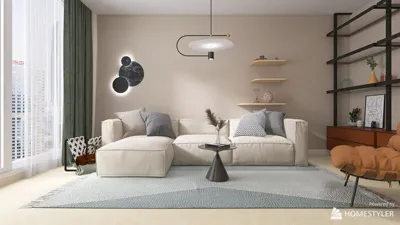


As dining trends evolve, the demand for efficiency within smaller spaces is becoming increasingly apparent. Customer expectations are growing—factors such as acoustics, privacy, speed, and maximizing revenue per square foot are now more crucial than ever. According to a recent survey by AIA, clients are focusing on versatile and adaptive interiors in response to tighter margins and stricter regulations. In this context, I approach the design of a compact restaurant not merely as placing furniture on a grid, but as creating a fully functional system. To achieve this, I rely on a robust spatial reasoning toolkit, ensuring that every element integrates seamlessly before the first dish is served. With the help of tools like Homestyler, I can visualize these interactions effectively.
Linear Service Framework with Peripheral Seating
Design Concept: The central service framework, accommodating expedited services, point-of-sale options, and dish drop zones, enhances operational visibility; seating is strategically positioned at the periphery to stabilize revenue as customer demand fluctuates. Modern layouts that adapt staff-to-table dynamics are increasingly favored, preserving workflow integrity.
Operational Flow: Entry → Host area → Peripheral circuit → Table docking; staff navigate through the service core to serve tables efficiently; the return route for dishes is organized to prevent cross-traffic, maintaining a smooth operation.
Visibility: Host sightlines connect the door, bar, and service area; guests witness movement as a sign of activity, not distraction—this layering of user experience transitions from a serene perimeter to a dynamic core.
Storage Solutions: Utilize concealed storage under banquettes, designated areas for dry stock, and a bus station adjacent to the service core; integrating micro cold drawers near the service point minimizes wait times for garnishes.
Furniture Compatibility: Banquettes should be 24–26 inches deep, while tables can be 24x24 or 24x30 inches to fit snugly; bar stools ought to be spaced at 24 inches for optimal usage, with ADA clearances treated as essential design constraints.
Conclusion: This design framework is stable, clear, and profitable—capable of managing delivery surges and quieter periods without the need for structural changes.
save pin
Diagonal Layout with Split Kitchen Concept
Design Concept: A diagonal seating arrangement at a 30–35° angle increases visual depth and creates compact zones suitable for two-person seating; the separation of hot and cold service areas decreases the time from order to delivery, anticipating the future of fast-casual dining.
Operational Flow: Pathway goes from the entrance to the order counter (cold) and then to the pickup area; servers navigate through the diagonals to access the hot service line, utilizing back channels for dish returns.
Visibility: The diagonal layout enhances edges akin to navigation breadcrumbs; guests can catch glimpses of kitchen activity without the disorderliness—this curated transparency adds to the dining experience.
Storage Solutions: Corner layouts become ideal storage areas: neatly folded linens, condiments, and battery compartments for POS systems, with overhead racks positioned above diagonal seating.
Furniture Compatibility: Maintain a 20-22 inch aisle from the back of chairs to assure a comfortable 42-inch primary corridor; using 30-inch round tables can facilitate smooth movement and reduce the risk of collisions.
Conclusion: This dynamic and social layout is perfect for compact environments that seek a vibrant atmosphere without overwhelming chaos—designed to adapt to evolving menus.
save pin
Central Courtyard with Acoustic Enclosure
Design Concept: A central communal table serves as the social nucleus; surrounding booths act as an acoustic buffer, allowing different paces of dining to occur simultaneously—creating an atmosphere where hospitality operates as multiple streamlined processes.
Operational Flow: Entry → Host area → Central seating or surrounding booths; servers navigate the core with quick access to the service point; the bar intersects this central space for additional casual seating options.
Visibility: The central table acts as a focal point; sightlines transition from the warm communal area to private booth edges—staff maintain a comprehensive 360° view to facilitate service.
Storage Solutions: Plinth spaces under the communal table store backup flatware; toe-kicks in booths serve as discreet storage areas; the bar back functions as a long-term storage space.
Furniture Compatibility: Communal tables should measure 36x120 or 42x108 inches, depending on seating arrangements; booths ideally range from 48-54 inches in length, with 60-inch turning spaces as critical dimensions.
Conclusion: This design creates a versatile atmosphere: high turnover is centered, while more leisurely dining can occur on the edges—ideal for tasting events, remote work lunches, and intimate gatherings.
save pin
Final Thoughts
A compact restaurant layout transcends simple table arrangements; it represents active protocols for managing time, sound, and service efficiency. From linear frameworks to diagonal designs, the small dining area becomes a programmable environment where throughput and intimacy coexist. My experiences show that by optimizing flow, visibility, and storage, even modest spaces can feel expansive and function intelligently—demonstrating that intention often outweighs available square footage.
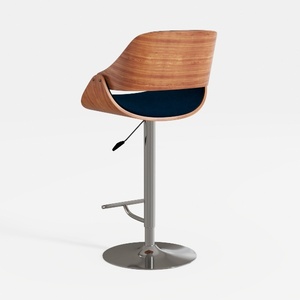
Modern Walnut Fabric Upholstered Adjustable Bar Stool 3D Model
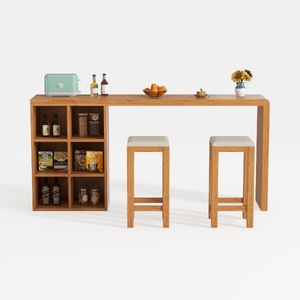

Minimalist Solid Wood Storage Bar Table with Fabric Stools 3D Model

Rattan Dining Chairs Set of 6, Kitchen Chairs with
Unlock your creativity with Homestyler, the ultimate online home design platform! Easily transform your ideas into reality using its intuitive design tool, stunning 3D renderings, and a wealth of DIY video tutorials. Whether you're a beginner or an experienced designer, you'll find endless inspiration for your projects.
今すぐ无料でデザイン
































