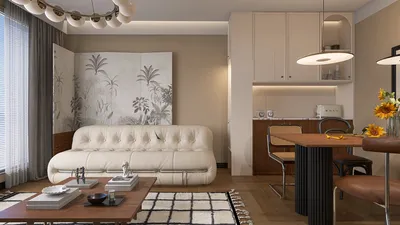


When it comes to selecting a teapoy, I treat it with the same care as I do with seating and lighting. The goal is for the teapoy to anchor conversations, support daily activities, and contribute a refined aesthetic without cluttering the room. A thoughtfully selected teapoy, whether it's a compact center or side table, can create harmony among sofas and lounge chairs, providing an ideal surface for everything from tea to books to decorative items. In modern living spaces, I prioritize ease of reach, consistent material choices, and a design that promotes a smooth flow of motion.
Understanding scale and reach is crucial. Research from Steelcase reveals that having a surface within easy reach promotes comfort and minimizes awkward seating positions. To apply this insight at home, I keep the height of the teapoy’s surface approximately level with or slightly below the seat height (16–18 inches) and ensure it's situated 18–24 inches from seating for effortless access. To maintain a tranquil environment, I opt for teapoys with non-resonant surfaces in spaces prone to echo; the WELL v2 standard underlines the importance of reducing noise disturbances, and using textured finishes alongside soft edges helps to diminish sound. Lighting also plays a vital role: according to IES guidelines, living areas benefit from a blend of ambient and task lighting, and choosing low-gloss finishes for the teapoy can help mitigate glare from lamps.
The color psychology of a space notably influences finish choices. Insights from Verywell Mind suggest that warm colors foster a cozy atmosphere, while cooler shades evoke tranquility. Applying this principle to teapoy selection, warm wood or brass can create an inviting setting for evening tea, while softer gray or muted green stones can maintain a serene vibe. I aim to connect the teapoy’s color scheme to the overall palette of the room, incorporating an accent color in a subtle feature—such as an inlay, edge treatment, or under-shelf lacquer—to foster a cohesive design rather than a mere decorative element.
Proportion, Placement, and Flow
In designing a living room, I start by considering spatial proportions. Ideally, a teapoy should occupy about two-thirds of the primary sofa's length for visual stability, allowing for 12–18 inches of clearance around it for circulation. In smaller or multifunctional spaces, a nested set of teapoys often proves more practical than one large piece, accommodating various activities such as entertaining or game nights while preserving a clear path for movement. If you want to experiment with different layouts before finalizing your choice, utilizing an interior layout planner like Homestyler can help visualize clearances and seating reach effectively.
Materials and Tactile Quality
The choice of materials significantly impacts both functionality and ambiance. In warmer climates, light and breathable open-grain oak or ash is ideal; in cooler environments, walnut provides a touch of warmth and richness. For those who appreciate a mineral feel, honed marble or quartzite tabletops resist stains while softening reflections. To cater to family environments, I emphasize rounded edges, smooth contours, and matte finishes to minimize impact risks and reduce glare. An effective combination—like a wooden base with a stone top or a metal frame paired with timber veneer—adds depth and dimension without overwhelming the aesthetic.
Ergonomics and Daily Use
Human-centered design influences my choices: ensuring edges are chamfered to prevent discomfort to the knees, making sure the table footprint does not obstruct major walkways, and considering options like lift-top or concealed storage for essentials like tea or remotes. I set a weight limit for movable teapoys to facilitate easy reconfiguration; materials like powder-coated aluminum or engineered wood are optimal for mobility.
Shapes and Visual Rhythm
Selecting the right shape for the teapoy can enhance the overall composition. Round teapoys soften angular seating arrangements and foster an inviting atmosphere, while square or rectangular designs align seamlessly with modular sofas to define distinct areas. In elongated rooms, I prefer oval shapes to maintain a visual balance without harsh corners. Introducing patterns—such as parquetry, terrazzo, or book-matched veneer—can create a subtle rhythm, but I ensure the base design remains understated to avoid visual conflict.
Lighting, Glare Control, and Mood
Strategic lighting enhances the functionality of the teapoy. Aim for ambient lighting levels between 200 and 300 lux in living rooms, with softer task lighting around the teapoy that maintains 150–200 lux to highlight items without causing glare. Opting for low-sheen finishes and textured surfaces can prevent harsh light reflections from table lamps. If you display art books or ceramics on the teapoy, warm lighting at 2700–3000K complements organic materials, while cooler tones around 3500–4000K accentuate glass or stone for a crisp aesthetic.
Sustainability and Durability
I prioritize sustainably sourced woods, low-VOC finishes, and designs that allow for easy repairs. Features like detachable tops and bolted constructions can significantly extend the lifespan of furniture. Additionally, using replaceable glides can protect floors while allowing the table to age gracefully. When curating a minimalist collection, it’s wise to select a teapoy with classic proportions—such as a slim edge profile and moderate top thickness (0.6–1 inch)—and avoid trends that may quickly become outdated.
Styling: Tea Rituals and Everyday Objects
A teapoy's value emerges through practical use. Organizing cups and infusers on a low tray, adding a small vase, or incorporating a tactile coaster set and an artistic object can introduce height variations. It's important to keep the center free for serving purposes while rotating seasonal books to refresh the visual interest and texture. The arrangement should feel effortless—consisting of two to three objects positioned at varied heights and aligned appropriately with nearby seating for easy access.
Small Spaces and Modular Thinking
For smaller living rooms, opting for a two-level teapoy can be advantageous: a thinner top for serving and a lower shelf for storage. Alternatively, consider using nesting tables that can be combined into a single unit and expanded when entertaining guests. Utilizing the interior layout planner tool, such as Homestyler, can help you visualize nesting placements while ensuring every seat has a reach of 12–14 inches and clear pathways remain accessible.
Trending Directions 2024–2025
I am noticing three emerging trends: sculptural biomorphic designs with gentle curves, authentic materials like oiled wood and honed stone, and clusters of mixed-height tables that cater to different seating arrangements. Additionally, subtle metal inlays, terracotta tones, and textured finishes provide depth without excessive shine.
How to Choose the Right Teapoy
• Check seat height: ensure it matches or is slightly lower than your primary sofa seat for optimal comfort.
• Maintain clearance of 12–18 inches on all sides to allow for smooth movement around the table.
• Material consideration: align the table’s top and base with the dominant finishes throughout your room.
• Shape selection: use round teapoys for tight spaces, oval shapes for longer rooms, and rectangle to complement modular seating arrangements.
• Lighting compatibility: favor matte or honed finishes to minimize glare under lamps.
• Longevity matters: focus on repairable, modular components with classic design elements.
FAQ
Aim for a height of 16–18 inches, roughly aligned with seating height to ensure a natural reach for cups without awkward bending.
Keep a distance of 18–24 inches from the sofa's front edge for comfortable access while facilitating leg movement and circulation.
Choosing round or oval shapes helps minimize corner conflicts and optimizes flow; nesting sets offer versatile surface space for guests.
Honed stone options, like marble or quartzite, resist stains and glare; solid wood with a hardwax oil finish ages beautifully and is easily repairable.
Opt for matte finishes, low-sheen surfaces, and position lamps strategically to create softer illumination; implement layered lighting per IES standards.
Incorporating lift-top compartments or a lower shelf can help keep items like remotes and coasters organized without cluttering the teapoy surface.
Warm woods and brass can enhance the cozy ambiance, while cool stones and muted greens promote tranquility. Reference a single accent color from textiles for a cohesive look.
Utilize an interior layout planner like Homestyler to visualize clearances and reach, verifying that you have 12–18 inch pathways and 18–24 inch reach to the teapoy.
In reflective spaces, employing softer textures and rounded edges can help diminish harsh reflections and minor clatter; WELL v2 guidelines support noise reduction strategies.
Optimal thickness, clean edges, and honest materials—such as oiled wood, honed stone, and powder-coated metal—remain timeless through design trends.
Limit yourself to two or three decor items of varying heights—like a tray, a small vase, and a sculptural piece—while keeping the center open for serving purposes.
For adaptable configurations, ensure the teapoy's weight is manageable; lighter construction materials (like aluminum or engineered wood) simplify adjustments and cleaning.


Homestyler is your go-to online platform for effortless home design. With its user-friendly design tool, stunning 3D renderings, and a wealth of DIY video tutorials, transforming your space has never been easier. Unleash your creativity and start your design journey today!
今すぐ无料でデザイン
































