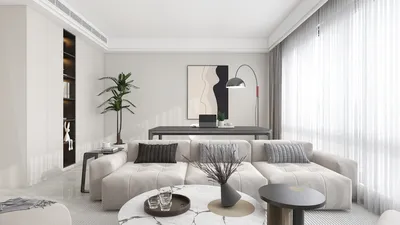


A three-seater sofa serves as a central element in the living room—acting as an anchor visually, socially, and functionally. Throughout my years of experience in home and apartment design, I've discovered that true comfort is not simplistic; rather, it's a harmonious blend of aspects such as seat depth, back incline, cushion resilience, lighting, acoustics, and space flow. By getting these factors right, your 3-seat sofa can transform into the most cherished spot in your home, especially when visualized with tools like Homestyler.
Comfort is quantifiable. Herman Miller's ergonomic studies on seating highlight that neutral postures—which support lumbar curvature and keep feet flat—are essential for enduring comfort. The WELL v2 (WELL Building Standard) emphasizes the importance of ergonomics and human-friendly environments for overall health, stressing how critical seat height and support are to maintaining healthy alignment. These insights shape my fundamental recommendations: seat heights of 16–18 inches, seat depths of around 20–23 inches, and backrests that gently support the thoracic area without enforcing an overly rigid posture.
The effectiveness of design is measurable through statistics. Research by Steelcase on seating postures reveals that individuals tend to shift positions frequently; thus, seating that facilitates micro-movements enhances comfort perception and minimizes fatigue. In the context of a living room, a 3-seater should combine steadfast support (with solid frame integrity, resilient foam, or pocket coils) alongside a cushioned top layer (made from down-blend or high-resilience foam) to ensure both comfort and longevity.
Determining dimensions: The Right Size and Proportions That Work
I begin the sizing process by considering the room size, not merely going by the catalog dimensions. For compact living areas, a typical three-seater ranges between 78 and 86 inches in length, while larger rooms may call for sofas measuring 90 to 96 inches. It's crucial to ensure at least 30 to 36 inches of clear space around the seating area. Maintain about 16 to 18 inches between the sofa and coffee table to allow for easy reach and leg movements. These guidelines assist in preserving a coherent spatial rhythm and preventing an overcrowded atmosphere.
Many people misunderstand seat depth. If you enjoy curling up, aim for 22 to 23 inches; conversely, if upright conversations are more your style, then 20 to 21 inches is more suitable. Taller households might find deeper seats and somewhat higher seat heights (18 to 19 inches) beneficial, while shorter individuals often prefer seats that are 16 to 17 inches deep, paired with supportive back cushions.
Comfort Optimization—Ensure It Feels Inviting, Not Clinical
Comfort cues are rooted in body mechanics. I seek a back angle between 100 and 110 degrees relative to the seat, which allows for relaxing shoulders without promoting a slouched position. Armrests should ideally fall within the 24 to 26 inch height range, providing adequate support for the forearms. If the sofa is intended for long movie nights, then layered cushions become essential: a high-resilience foam core (35-40 density) enveloped by a softer fiber or down blend offers buoyant support and a softer surface for comfort.
Don’t forget lumbar support. Modular back cushions with a gentle lower bulge help maintain your spine's neutral curve. If your sofa lacks this support, consider adding a 3 to 4 inch lumbar pillow that complements your fabric, enhancing posture without compromising style.
Lighting, Color, and Atmosphere: Positioning the Sofa as the Heart of the Room
A sofa's perceived comfort varies under different lighting conditions. Following IES standards on residential lighting, I strive for layered lighting: around 150–300 lux for ambient lighting, 300–500 lux for task lighting such as reading, accompanied by warm color temperatures (2700–3000K) for evening relaxation. Steer clear of glare from downlights directed at glossy tabletops; instead, opt for diffused sconces or shaded floor lamps to soften contrasts around the seating area.
Color psychology also plays a significant role: muted neutrals tend to evoke tranquility, while richer blues and greens may minimize visual clutter and promote relaxation. According to Verywell Mind's overview on color psychology, blues are often seen as stable and soothing—ideal for a sofa that fosters leisurely evenings and engaging conversations. Balance deeper hues with lighter rugs or throws to maintain a sense of visual airiness.
Material Choices: Functionality, Sustainability, and Texture
Selecting materials is where daily life intersects with design intentions. For homes inhabited by pets or children, I prefer performance fabrics that feature tight weaves and stain-resistant capabilities. Look for rub counts (Martindale or Wyzenbeek) that indicate durability for heavy residential use—ideally well above 30,000 double rubs. Natural linen is visually appealing and offers a dry hand, while cotton and its blends provide excellent breathability; wool blends regulate temperature effectively, and high-quality microfiber simplifies maintenance.
Sustainability begins with durability. Frames made from kiln-dried hardwood are less prone to warping and provide enduring stability. Cushion cores constructed from certified low-emission foam with replaceable covers extend the product's lifecycle. If leather is your preference, semi-aniline finishes balance aesthetics and practicality; it's recommended to condition it every 6 to 12 months to avoid dryness.
Arranging the Space: Optimal Positioning for Your 3-Seater
I assess flow first and then conversation dynamics. In compact rooms, position the 3-seater 8 to 12 inches away from the wall to avoid a cramped appearance and to encourage airflow. In open-plan layouts, align the sofa to clearly define the living area, making use of a rug that extends at least the front legs of the sofa. Ensure unobstructed sightlines to key focal points like a fireplace, media wall, or window.
If you are experimenting with different arrangements, utilizing a room layout tool can help visualize traffic flows and sight lines before moving heavy furniture. Consider trying an interior layout planner like Homestyler to simulate spacing and angles in real-time:
room layout tool
Exploring Styles: From Modern Minimalism to Classic Tailoring
For spaces designed with a modern minimal aesthetic, opt for clean bench cushions, slim arms, and a low profile. In mid-century environments, tapered legs and tight-back cushions impart a sense of lightness. Classic tailored rooms benefit from rolled arms, welt details, and elevated backs. Contemporary family spaces often thrive on modular cushion configurations and soft silhouettes that invite relaxation.
Fabric textures should resonate with your architectural style. In spaces abundant with glass and polished surfaces, incorporate tactile fabrics (such as bouclé or chenille) to soften both acoustics and visual contrast. In more traditional homes featuring significant millwork, a fine-weave fabric retains a sense of elegance.
Audio Comfort Around the Sofa
The presence of soft surfaces is important. A plush rug, upholstered furniture, and lined curtains can help diminish sound reverberations, ensuring that conversations remain clear. If your living area opens into a kitchen with hard surfaces, think about adding a fabric screen or a bookcase near the sofa to disrupt sound reflections, without closing off the layout.
Cushion Composition: Quality Matters
Three-seat sofas generally feature one of two cushion configurations: three individual cushions or a singular bench seat. Individual cushions facilitate easy rotation and allow one person to shift comfortably without disturbing others. Bench seats offer a sleeker appearance and are more suitable for lying down. For longevity, I prefer a foam core encased in fiber topped with a down blend; remember to flip and rotate your cushions every 1 to 2 months to preserve their shape.
Practical Considerations: Care, Pets, and Stains
Establish a consistent maintenance routine: vacuum the upholstery weekly with a soft brush, spot-clean immediately using manufacturer-recommended solutions, and steam clean when feasible based on the fabric. For pet owners, select tightly woven fabrics and avoid heavy textures that can snag claws. Lay a throw on your pet's preferred spot to minimize wear and oil transfer. Always blot spills instead of rubbing them, and test any cleaning product on a hidden area first to avoid damage.
Budget Considerations: Where to Allocate Resources
Invest in elements you will frequently touch and use: the integrity of the frame, the quality of the cushion core, and the durability of the fabric itself. If finances are limited, focus on the foundational components and postpone decorative extras; you can enhance visual appeal later with cushions and throws. A well-constructed three-seater sofa can typically serve you well for 7 to 12 years with regular use.
Strategizing Placement with Media and Windows
When arranging for TV viewing, aim for a distance of approximately 1.4 to 1.6 times the diagonal screen size for optimal viewing comfort. Position sofas perpendicular to windows to minimize glare on screens while keeping natural light in your peripheral view, enhancing your comfort without straining your eyes.
Decision Checklist for Your 3-Seater
- Take measurements of your room and ensure the sofa length plus 30 to 36 inches for circulation.
- Determine seat depth based on your preferred posture: 20 to 21 inches for discussions, and 22 to 23 inches for relaxation.
- Confirm a seat height around 16 to 18 inches; adjust as necessary according to household height.
- Inspect frame material (kiln-dried hardwood) and cushion construction (high-resilience foam plus down blend).
- Verify lighting arrangements: 150 to 300 lux for ambient light, 300 to 500 lux for task light, and warm 2700 to 3000K tones for evenings.
- Choose fabric according to your lifestyle: performance weaves for pets and kids, natural blends for breathability.
- Test your layouts using a room design visualization tool prior to purchase.
- Plan for acoustic softening with rugs, curtains, and textile upholstery.
Additional Resources
For insights on ergonomic design standards and human-centered environments, refer to Herman Miller research as well as WELL v2 guidelines:
Herman Miller Research
WELL v2
FAQs
Q1: What’s the ideal seat depth for a 3-seater sofa?
A: For more upright conversations, a depth of 20 to 21 inches is ideal. For lounging or for taller individuals, 22 to 23 inches offers better thigh support and comfort.
Q2: What should the seat height be?
A: Aim for a height of 16 to 18 inches. Taller households may prefer heights of 18 to 19 inches, whereas shorter users often find 16 to 17 inches more supportive for foot positioning.
Q3: What lighting levels are most comfortable surrounding a sofa?
A: Utilize layered lighting with ambient levels around 150 to 300 lux, and for reading, aim for task lighting around 300 to 500 lux, with warm color temperatures of 2700 to 3000K for evening relaxation.
Q4: Which fabric is optimal for homes with pets?
A: Look for tight-weave performance fabrics with high abrasion resistance (30,000+ double rubs); these materials resist snags and are easier to clean. Avoid heavy textures like large-loop bouclé.
Q5: Is a bench seat or three cushions better?
A: Bench seats deliver a streamlined look and are better for lying down, while three separate cushions allow for easier rotation and provide a more customized comfort experience.
Q6: How far should the sofa be positioned from the coffee table?
A: Maintain 16 to 18 inches of space. This distance is adequate for reaching while allowing ample room for leg movement.
Q7: What can I do to enhance lumbar support if my sofa doesn’t provide it?
A: Add a 3 to 4 inch lumbar pillow or opt for cushions designed with a lower back bulge. Aim for a back angle between 100 and 110 degrees to support relaxed alignment.
Q8: What materials enhance the longevity of sofa frames?
A: Frames made from kiln-dried hardwood are more resistant to warping, while eight-way hand-tied springs or high-quality sinuous springs ensure lasting seat resilience.
Q9: How can I reduce noise in a space with an open-plan living area?
A: Layer soft materials—such as rugs, upholstered furniture, and lined curtains—and include bookshelves or fabric screens to mitigate sound reflections near the seating area.
Q10: What is an effective maintenance routine?
A: Vacuum weekly using a soft brush, perform spot-cleans promptly, rotate cushions every 1 to 2 months, and condition leather every 6 to 12 months.
Q11: How do color selections influence the mood of a room?
A: Shades of blue and soft greens typically induce feelings of calm and stability; when balanced with lighter accents, they maintain an airy and restful environment.
Q12: What’s the best method for planning the layout before making a purchase?
A: Make use of a layout simulator to assess sofa size, spacing, and sight lines; ensure you confirm 30 to 36 inches of circulation around the seating area for optimal comfort.

OKD 48" Modern Farmhouse Coffee Table, Wooden
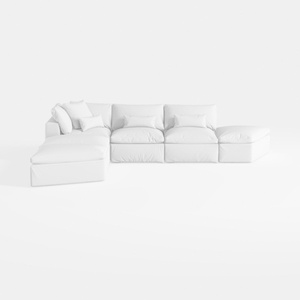

Minimalist White Fabric L Shaped Sectional Sofa 3D Model
Looking to transform your home? Homestyler is your go-to online design platform! With an easy-to-use design tool, stunning 3D renderings, and a wealth of DIY video tutorials, you can effortlessly create beautiful, customized spaces. Start your design journey today!
今すぐ无料でデザイン
































