

Choosing the perfect rug size for a queen bed in a compact room requires a thoughtful approach that goes beyond mere measurements, emphasizing proportion and user behavior. In my experience, achieving the best results involves balancing walking space, comfort underfoot, and a sense of visual tranquility. Typically, a queen bed measures 60" x 80", while many small bedrooms range from 100 to 130 sq ft. To effectively anchor the bed without obstructing movement, a rug that extends beyond the sides and the foot of the bed is ideal, allowing for easy access in the morning while considering the needs of door swings and pathways.
From an ergonomic standpoint, it's important that each side has a stable landing area of at least 24" to minimize the risk of slipping and to ensure comfort when getting out of bed. Following the WELL v2 Movement principles, I advocate for at least 30–36" of unobstructed space along primary pathways to prevent trip hazards. According to research by Steelcase, maintaining visual order correlates with cognitive relaxation; therefore, clear sightlines contribute to reducing stress and decision fatigue in smaller areas. The dimensions suggested below help avoid cramped borders and awkward transitions between the rug and walls, while facilitating daily routines.
The lighting and color choices significantly influence the perceived size of a room. Insights from Verywell Mind highlight that cooler and lighter shades tend to evoke a sense of openness and calm—beneficial when a rug occupies a large floor area. Opt for subtle pile heights and border details to keep the perimeter visually light. For standards regarding glare and balanced lighting levels to ensure textures remain distinguishable at night, I refer to IES guidelines; a dim space on a dark rug can obscure the edges, increasing the likelihood of trips.
Suggested Rug Sizes for a Queen Bed in a Compact Space
- 6' x 9': This is my top recommendation for smaller rooms. It commonly extends just past the nightstands in various configurations, offering around 18–24" of rug exposure on either side when slightly shifted forward from the headboard. If space is particularly limited, consider orienting the rug so the longer side aligns with the bed's width for improved side coverage.
- 7' x 10': This size is perfect for those wanting substantial side and foot coverage without compromising movement space. It works excellently with nightstands measuring 20–24" wide, allowing them to stay off the rug for easier vacuuming.
- 8' x 10': Be cautious with this size in smaller rooms. While it creates a luxurious visual impact, it requires ample door clearance and proper placement of other furniture. If your room nears the 130 sq ft mark and the bed is centered, an 8' x 10' rug can create a curated and intentional appearance.
Layout Guidelines I Follow
- Front-two-thirds positioning: Position the rug forward so it remains under the lower two-thirds of the bed. This reveals rug space at the sides and foot while allowing nightstands to remain stable off the rug.
- Nightstand approach: If nightstands are lightweight or uneven, keep them off the rug to prevent shaking. Heavy, stable nightstands can rest partly on the rug, provided the flooring is even.
- Pathways: Clear at least 30–36" along the main path to the door and closet. If the space is limited to 24–28", opt for a 6' x 9' rug and position it lower towards the foot to maintain an open entryway.
- Door movement and air vents: Ensure at least 1" gap from the bottoms of doors to prevent scraping and minimize premature wear on the rug. Avoid placing rugs over supply/return vents, as this can impede HVAC efficiency and increase dust build-up.
When testing your layout, using a room layout tool can effectively illustrate the widths of the nightstands, door swings, and rug placements before making any purchase. This will enhance your understanding of clearances and circulation dynamics: explore our recommended layout tools.
Proportions: Balancing Bed, Rug, and Furniture
- Bedside space: Aim for 18–24" of visible rug on both sides for a secure stepping area. In narrower rooms, accepting 14–18" is acceptable, emphasizing the primary path.
- Foot space: Strive for 24–36" at the foot to avoid a cramped or bulky appearance and simplify bed-making.
- Nightstands and benches: If incorporating a bench at the foot, make sure the rug extends beyond it by a minimum of 6–8" to establish a grounded look instead of floating.
Material, Pile, and Comfort Considerations
- Low to medium pile (0.25–0.5"): Provides enough comfort for bare feet while remaining easy to clean and less likely to snag on door edges.
- Material selection: Opt for wool blends for durability and stain resistance, or consider recycled PET for longevity and sustainability. Natural fibers (like jute/sisal) offer a fresh appearance but can be uncomfortable underfoot—think about a felt pad for extra cushioning.
- Rug pads: Utilizing a dense felt or felt-rubber rug pad can enhance acoustic comfort and diminish noise, especially beneficial in apartments. Additionally, it stabilizes the rug while prolonging its lifespan.
Color and Pattern Dynamics for Compact Spaces
- Light and desaturated hues can create an illusion of larger space while minimizing visual bulk. Cooler neutrals feel more spacious, while warm neutrals provide comfort—choose based on available light.
- Subtle pattern scales: Medium patterns maintain the legibility of the floor without overwhelming the space. Tiny patterns may appear chaotic, while oversized designs might clash with limited sightlines.
- Edge treatment: Using minimal borders supports a sense of visual flow. High-contrast edges can make the space feel confined.
Acoustics and Lighting Effects
Rugs serve as sound absorbers, mitigating high-frequency echoes from hard flooring. Pair them with soft window treatments or cushioned headboards to diminish nighttime sound reflection. For optimal lighting, incorporate layered sources: bedside task lamps in the 2700–3000K range offer warm light for relaxation, a dimmable ceiling fixture provides general illumination, and low-glare night lights create gentle guidance. Balanced lighting aids in clearly seeing rug edges and prevents missteps during late-night movements.
Common Small-Room Issues and Solutions
- Confined spaces (under 9'): Use a 6' x 9' rug, place it forward, and keep nightstands off the rug for enhanced movement.
- Asymmetrical windows or doors: Visually balance the room with your rug placement—align it with the bed, not the walls, and utilize symmetrical drapes for offsetting.
- Closet encroachments: If a bi-fold or swinging closet door brushes against the rug, position it 2–3" back and choose a thinner pad for practicality.
Step-by-Step Sizing Guide
1) Verify the dimensions of your bed and frame (platform beds may be wider). 2) Measure the widths of the nightstands and any benches. 3) Map out the swings of doors and the primary walking areas. 4) Opt for 6' x 9' if the pathways are narrow; switch to a 7' x 10' for better side coverage. 5) Simulate clearances using a layout tool before making a final decision to avoid hassles with returns.
Insights from Real Projects
In 10' x 12' spaces, a 6' x 9' rug consistently provides an ideal balance—promoting open pathways, offering comfort at the landing, and enhancing the appearance of the bed. In slightly larger 11' x 12' rooms, a 7' x 10' rug presents an upscale feel without congestion. I recommend an 8' x 10' rug only for small rooms with centered beds and minimal wall furniture.
For optimal movement and comfort, I frequently reference WELL v2 guidelines for adequate floor space, alongside Steelcase findings that link organized visual environments to cognitive ease.
FAQ Section
Q1: Is a 5' x 8' rug ever suitable under a queen bed?
A1: Only if it’s centered beneath the lower part of the bed in extremely compact spaces, but anticipate restricted side exposure (typically under 12"). A 6' x 9' is a more reliable minimum for everyday comfort.
Q2: Should nightstands be placed on the rug?
A2: If stability raises concerns, keep them off the rug. In larger rooms, and if the nightstands are stable, partial placement is acceptable; position their front legs on the rug if the floor is level.
Q3: What clearance must exist between the rug and the door?
A3: Ensure at least 1" clearance so the door opens smoothly without curling or damaging the rug edge. If the door drags, consider a thinner pile or adjust the rug positioning.
Q4: What is the best pile height for small rooms?
A4: A height of 0.25–0.5" strikes a balance between comfort and maintenance. Thicker piles might obstruct doors and trap dust; sleeker flatweaves feel neat but benefit from a good rug pad.
Q5: Does rug color influence perceived room size?
A5: Absolutely. Lighter, cooler neutrals can create a feeling of spaciousness, especially in dim spaces. Darker rugs may offer sophistication but could visually shrink small areas.
Q6: How should I position the rug if I have a bench at the foot of the bed?
A6: The rug should extend beyond the bench by 6–8" to visually anchor it. If space is constrained, prioritize side coverage for morning ease.
Q7: Is layering a smaller rug over a larger flatweave advisable?
A7: In small rooms, limit layering. If you do layer, select a low-profile base rug with a medium-pile top, ensuring pathways and door movement remain unobstructed.
Q8: What’s the best way to prevent trip hazards at night?
A8: Incorporate a rug pad for extra grip, ensure well-distributed lighting with soft night illumination, and maintain at least 18–24" of rug exposure beside the bed for stable footing.
Q9: Are round rugs effective with queen beds?
A9: Round rugs can be suitable in square rooms, but they often lack sufficient side coverage. If you're fond of the style, go for 8–9' in diameter and ensure the bed is centered on the diameter.
Q10: Do patterns effectively conceal dirt?
A10: Medium-scale patterns in mid-tone shades can disguise everyday dirt and lint. Avoid extremely contrasting designs that might create a busy appearance in the room.
What began as an Autodesk innovation has evolved into a design platform used by more than 18 million people around the globe. Homestyler combines powerful rendering, an intuitive editor, and a vast furniture library to help you turn inspiration into photorealistic designs — whether you're redesigning a single room or planning an entire home.
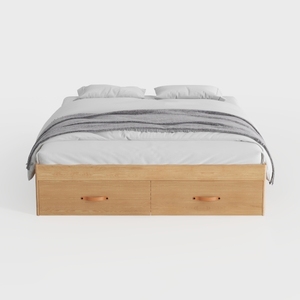
Minimalist Solid Wood Storage Platform Bed With Drawers 3D Model

Minimalist Natural Jute Round Area Rug 3D Model
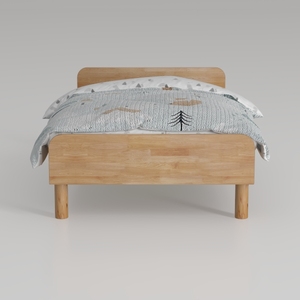
Minimalist Solid Oak Wood Kids Bed with Soft Bedding 3D Model
Homestyler is your go-to platform for effortless home design! With its intuitive online design tool, stunning 3D renderings, and an array of inspiring design projects, you can unleash your creativity. Plus, the informative DIY video tutorials guide you every step of the way. Transform your space today!
立即免费设计
































