

Exceptional living rooms revolve around a few critical selections, with the accent chair being one of the most important. A thoughtfully selected lounge chair not only anchors conversations but also guides sightlines and enhances the comfort that encourages guests to stay a while. In my experience, I assess chairs by considering factors such as support for posture, the feel of materials, interplay of light and color, and the way the chair integrates with movement patterns in the space. Using tools like Homestyler can aid in visualizing these aspects effectively.
Comfort is not just a matter of personal preference. According to WELL v2 guidelines, adjustable seating that provides support is essential for reducing musculoskeletal strain and promoting overall well-being, underscoring the importance of comfort as a fundamental design element rather than an afterthought (for more, refer to the WELL v2 Seating guidance). The choice of colors is also significant: research from Verywell Mind suggests that shades of blue and green can reduce stress and foster tranquility, while warmer tones like terracotta can enhance social interactions and warmth (as noted in Verywell Mind's color psychology study). Adequate lighting levels and glare control further enhance the comfort of seating areas, with recommendations for ambient light levels around 150–300 lux for relaxation, complemented by warmer light temperatures of 2700–3000K to support winding down during the evenings.
The details of a single chair, from its scale to seat depth, can greatly influence behavior. Research by Steelcase demonstrates that comfortable, well-supported seating leads to prolonged attention and less fatigue, a principle that remains relevant even in social settings such as living rooms. This is why I prefer chairs with a seat height of 16–18 inches, accommodating a supportive 100–110° back angle, and gently outward-angled arms that promote free shoulder movement. When positioning chairs around media walls or fireplaces, it's crucial to verify sightlines through planning before finalizing the arrangement—a lightweight room design tool, such as Homestyler, can facilitate this visual planning.
H2: What Defines the Optimal Living Room Chair
An ideal living room chair successfully combines three essential elements: human factors (posture, reach, movement), sensory comfort (light, sound, and tactile experience), and visual style. Here’s what I typically look for:
H2: Types of Chairs and Their Ideal Attributes
Low-profile, curvilinear, and classic in design, a club chair is perfect for conversation spots and libraries. Opt for semi-firm cushions to prevent sinking too deep; a round side table can soften the bulk of the chair.
Sculptural designs can add visual rhythm to minimalist spaces. It’s essential to prioritize a balanced recline angle and breathable fabrics. This style works best where architectural features, such as window nooks or bookshelves, create focal points.
A swivel chair adapts to multiple focal points within a living space—whether it's the fireplace, TV, or a view of the garden. Choose one with a robust, wide base for stability and smooth, quiet mechanisms to minimize noise.
High-backed chairs offer a cocoon of privacy, particularly effective in open-plan layouts. Ensure their wings do not obstruct light, and lean towards slimmer designs to avoid overwhelming a space.
Chairs designed for compact environments or arranged around a coffee table should have generous seat widths of at least 22–24 inches for a comfortable feel.
Lightweight chairs allow for easy rearrangement for gatherings. Look for models with easily gripped armrests and durable seat foam that can withstand frequent movements.
H2: Materials, Comfort, and Sustainability
The materials chosen play a vital role in both comfort and durability. In humid locations, open-weave fabrics like linen mixes help with heat management; in cooler climates, options like wool and bouclé ensure warmth and sound absorption. For frames, kiln-dried hardwood is less prone to warping, while metal bases provide a sleek profile and stability. I steer clear of fragile finishes that can wear quickly in busy homes. When considering sustainability, aim for third-party certified woods, robust textiles with high Martindale rub counts (≥30,000 for living spaces), and removable fabric covers for easy maintenance.
H2: Light, Color, and Acoustic Considerations Around the Chair
Glare can significantly hinder relaxation. Position reading chairs in relation to windows to minimize harsh reflections, and enhance the space with layered ambient lighting from adjustable floor lamps. Warm white LEDs between 2700–3000K create a cozy evening atmosphere, while lampshades should be opaque or textured to diffuse harsh light. The choice of color temperature can affect mood; cooler whites may stimulate alertness, hence best reserved for daytime use only. To improve acoustics, a chair located near reflective surfaces can benefit from fabric wall hangings or a plush rug to absorb sound from conversation and media.
H2: Layout Essentials and Spatial Ratios
Appropriate spacing is crucial. Ensure a passage of 30–36 inches behind chairs for easy movement. Keep a distance of 16–18 inches between chairs and coffee tables for convenience. When setting multiple chairs, angle them slightly (10–15°) toward each other to foster conversation. Before making a final arrangement, consider using a room design tool like Homestyler to visualize sightlines, accessibility, and how rugs anchor the space.
H2: Worthwhile Comfort Features
Minor enhancements can lead to significant improvements: high-resilience foam helps chairs maintain their shape, serpentine springs or webbing can prevent sagging, and adjustable headrests can provide comfort while reading without straining your neck. If you opt for swivel or recliner chairs, prioritize mechanisms that operate quietly to maintain a peaceful environment.
H2: Strategic Use of Color and Style Cohesion
Intentionally use color in your design. Soothing blues or gentle greens can create a calming atmosphere ideal for evening relaxation, while warm colors like rust or ochre can invigorate social settings. The scale of patterns should reflect the room’s overall vibe—larger designs work well in spacious areas, while fine textures are more suited for cozy spots. Ensure the finish of the chair harmonizes with existing wood or metal elements in the room, promoting a cohesive look.
H2: My Top Picks: Best Uses for Chairs
H2: Practical Checklist for Buying
H2: Maintenance and Durability
Rotate cushions periodically, gently brush the fabric with a soft upholstery brush, and perform spot cleaning when necessary. Maintain a distance of at least 12 inches from heat sources to prevent leather or wood from drying out. In sunlit areas, consider using UV-resistant fabrics or translucent curtains to limit sun exposure that can result in fading.
FAQ
A seat height ranging from 16 to 18 inches and a depth of 18 to 22 inches generally suits most adults, with a back angle situated around 100 to 110 degrees for comfortable lounging.
Position the chair at a right angle to windows to minimize glare and complement it with a dimmable floor lamp set within the 2700 to 3000K range. Aim for an illuminance level between 150 to 300 lux for comfortable reading.
Look for robust textile options with a Martindale rating of 30,000 or higher, such as wool blends, bouclé, or performance-grade polyester. In humid environments, breathable linens or cotton-linen blends help combat heat retention.
Definitely—select a compact swivel model with a sturdy, low-profile base. Ensure there’s a minimum of 30 inches for movement and use a layout simulation tool to validate rotation clearances.
Cool hues such as blue and green promote relaxation, whereas warm tones like terracotta foster sociability. Consider using color psychology principles to align your chair selection with desired atmospheres.
Prioritize sustainable materials such as FSC-certified wood, low-VOC finishes, long-lasting foam, and chairs with removable covers. Strong construction and repairable components enhance longevity, significantly reducing waste.
In medium-sized rooms, incorporating two accent chairs alongside a sofa creates a balanced space conducive for conversation. Always maintain 30–36 inches of clearance for easy movement.
Introduce sound-absorbing elements like high-pile rugs, textured curtains, or fabric wall art. Choose chairs with quiet mechanisms for swivel or recline functionalities to minimize operational noise.
Verify the overall width and arm thickness; aim for 28 to 32 inches in tight spaces. Consider lighter legs or open bases to visually minimize bulk.
Side tables should ideally be between 22 to 24 inches high to align with common arm heights, making it easy to set down beverages and books without straining your shoulders.
Absolutely. Employ a streamlined wing profile and position it thoughtfully to define a small area. Complement this with lower seating options while allowing light to flow freely.
Opt for semi-firm or layered foam cushions to ensure comfort without excessive sinkage, and consider adding a small lumbar pillow for tailored support.
Homestyler's roots trace back to Autodesk, the global leader in design and engineering software. That heritage lives on in every feature we build. Today, with a community of more than 18 million users worldwide, Homestyler continues to make professional-quality interior design accessible to everyone — from first-time decorators to seasoned architects.


Modern Fabric Upholstered Accent Armchair with Dark Wood Legs 3D Model
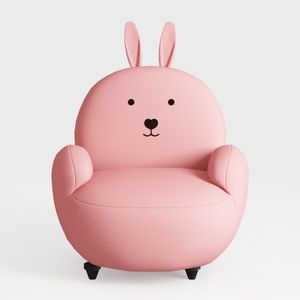
Cute Pink Fabric Cartoon Rabbit Kids Armchair 3D Model
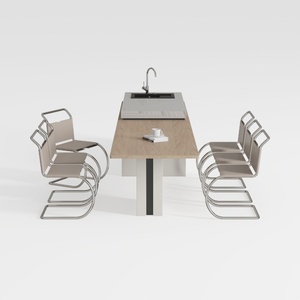
Modern Solid Wood Metal Frame Dining Table Set With Integrated Sink 3D Model
Homestyler is your go-to online home design platform, perfect for anyone looking to create their dream space. With an easy-to-use design tool, stunning 3D renderings, a variety of design projects, and helpful DIY video tutorials, transforming your home has never been more fun or accessible!
Diseño ahora GRATIS
































