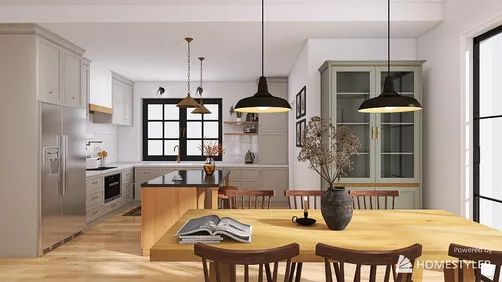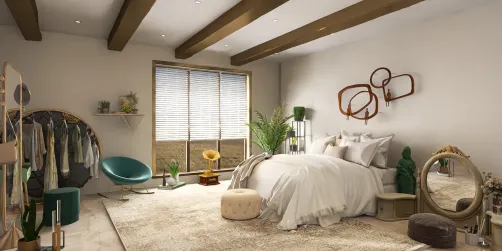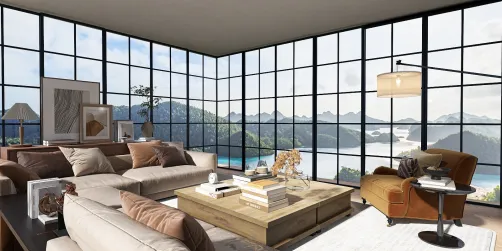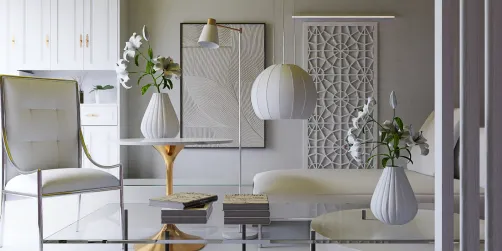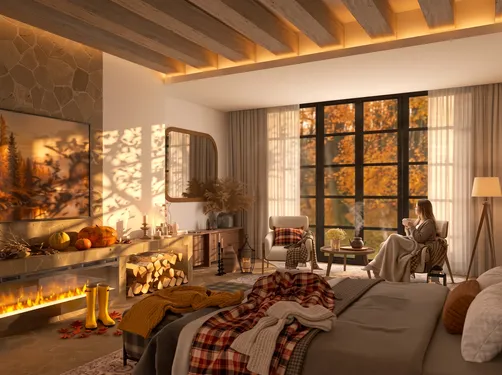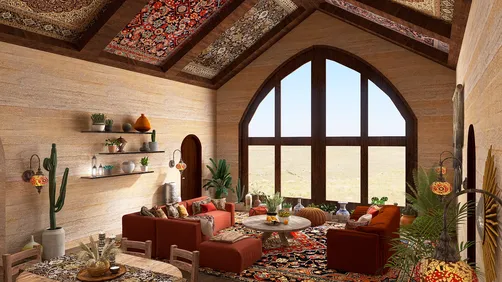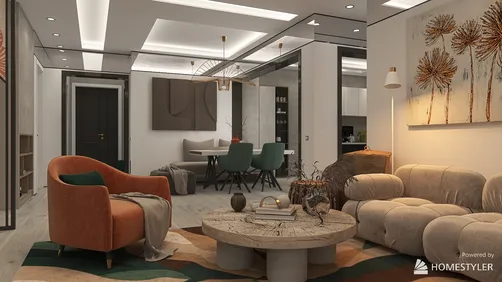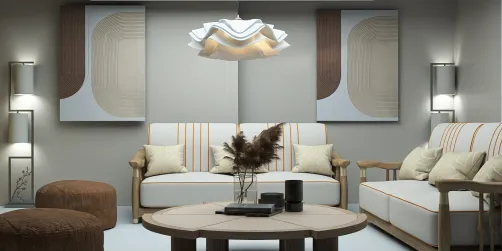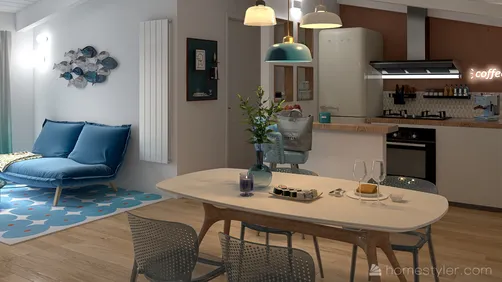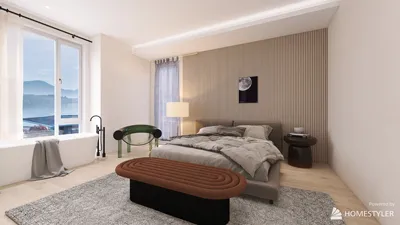



In my experience, I've chosen a multitude of crystal chandeliers for living areas, from cozy apartments to vast lofts. The right lighting fixture can significantly transform the ambiance and functionality of a space. More than just a source of sparkle, a chandelier establishes the visual rhythm, defines seating arrangements, and enhances comfort with its illuminating qualities. When executed correctly, it serves as both a work of art and a soft light source, a quality experience notably enhanced by tools such as Homestyler.
The quality of light is just as important as design. The WELL v2 framework suggests ensuring a comfortable ambient lighting level while taking glare and contrast into account; using a layered lighting approach with dimmers in lounges and living rooms can help you achieve this without any harsh effects. Research by Steelcase demonstrates that being able to control lighting increases satisfaction and alleviates visual fatigue—principles applicable in residential rooms where family members engage in diverse activities. For creating the right mood, warm color temperatures around 2700–3000K are known to foster relaxation, aligning perfectly with our typical evening routines in living areas.
Crystal materials introduce a unique optical charm. Well-cut crystal refracts and diffuses light beautifully, emitting subtle sparkles instead of harsh glare, especially when paired with appropriate dimmable lamps. I adjust chandeliers to ensure the fixture enhances the room’s overall ambient lighting, filling any gaps with wall sconces or floor lamps. This strategy minimizes shadows and balances light levels, echoing recommendations from IES regarding glare management and uniformity. To delve deeper into wellness-focused lighting, utilizing the WELL v2 model can be quite insightful.
Sizing a Crystal Chandelier for Your Living Area
Maintaining the right proportions is crucial for achieving a sophisticated versus overwhelming look. A useful guideline is to add the room's dimensions in feet to estimate the chandelier's diameter in inches. For instance, a room measuring 14' x 16' would suggest a fixture around 30" in diameter. Ceiling height also affects vertical dimensions—aim for the bottom of the fixture to be approximately 7' above the floor in areas with traffic. When hanging over a coffee table, it's acceptable to position it lower (between 30" and 36" above the table) if the space allows it. Don't forget to incorporate a dimmer switch to adjust brightness as evening approaches.
Placement, Symmetry, and Visual Cohesion
Positioning the chandelier above the main seating area generally provides the best aesthetic, but the focal point should center around your conversation area—not always the geometric middle of the room. To enhance visual balance, align the chandelier with the longest line of sight or the fireplace axis. In spaces with an irregular shape, consider simulating layouts using a room layout tool, like Homestyler, to experiment with dimensions before making any commitments.
Light Quality: Color Temperature, Dimming, and Glare Management
For evening relaxation, it’s wise to choose 2700K lamps to enhance warmth and the glow of crystal. During the daytime, you may opt for lamps around 3000K if your room leans towards cooler colors. I steer clear of high-lumen, clear light sources that tend to create excess sparkle; instead, frosted LED bulbs or dedicated LED fixtures with diffusers help soften brightness. Incorporate dimmable sconces positioned behind seating to minimize contrast and adhere to luminescence balance standards advised by IES. It’s beneficial to have multiple circuits in place, allowing you to operate the chandelier at 40–60% brightness for ambient lighting while task-specific sources meet your practical needs.
Types of Crystal, Frames, and Finishes
Optical crystal, known for its high clarity and fine cuts, produces sharp sparkle and precise light refraction; blown crystal, on the other hand, diffuses light more gently and is a fitting choice for minimalist designs. Frames made of aged brass or brushed nickel complement both traditional and transitional styles, whereas matte black suits contemporary interiors. In coastal or Scandinavian themed rooms, champagne gold can provide a touch of warmth without altering the light quality when using 2700K bulbs. Ensure to match the fixture’s finish with nearby hardware—like fireplace grates, curtain rods, or door handles—to create a harmonious look.
Creating Layered Lighting Around the Chandelier
The chandelier is only one aspect of your lighting strategy—it should primarily create ambient light rather than handle every function. Incorporate wall sconces for vertical illumination, a floor lamp for reading next to a lounge chair, and hidden LED coves if your ceiling permits. This multifaceted approach aligns with research from Steelcase and Herman Miller, suggesting that improved light control and distribution reduces strain on the eyes, enhances relaxation, and facilitates smooth transitions from hosting guests to reading or binge-watching shows.
Human Factors: Height, Sightlines, and Movement
Pay attention to how individuals navigate the space. Ensure the chandelier is well above head height in passage areas. In homes with children, it’s best to avoid low-hanging crystal near play zones. Maintain clear views to focal points like screens, artwork, or outdoor spaces, allowing the chandelier to enhance rather than obstruct the view. During gatherings, lowering the chandelier brightness to 30–40% while letting candles or table lamps provide the primary light source can create a softer ambiance, reducing visual fatigue as suggested by WELL standards.
Acoustics and Material Choice
Crystal can reflect sound to some degree; thus, balancing it with softer materials like wool rugs, upholstered furniture, and curtains is prudent in lively areas. When selecting chandeliers, look for those with secure crystal mounting to prevent any tinkling sounds. For sustainability, opt for LED modules with high efficacy, replaceable components, and frames that feature durable, low-VOC finishes. Quality fixtures tend to sustain output over time, maintaining aesthetic consistency year after year.
Installation Considerations and Power Management
Utilize a UL-listed junction box that can support the weight of the fixture. In older constructions, confirm that the ceiling has sufficient reinforcement. Plan for two to three distinct lighting zones: chandelier, accent lighting, and task lighting. Incorporate dimmers with low-end settings to avoid flickering. For fixtures consisting of multiple bulbs, it's wise to connect them on a single dimmable circuit to ensure smooth fading.
Color Psychology and Interior Styling
A warm glow emanating from the chandelier enhances natural wood, velvet, and neutral color schemes. Moreover, according to Verywell Mind’s research on color psychology, it's important to balance out blues and cool grays with warm lighting; otherwise, spaces can feel overly cold in the evening. Incorporate reflective elements—like mirrors and metallic trays—but exercise restraint to avoid excessive highlights. A single striking crystal feature combined with matte finishes can confer a sense of calm.
2024–2025 Trends to Watch
Trends emerging for 2024-2025 include smaller-scale crystal fixtures suitable for tight urban living spaces; the combination of crystal with linen shades or smoked glass; streamlined sculptural chandeliers above lengthy coffee tables; and warm-dimming LED options that transition from 3000K to 2200K in the evening. Transitional designs characterized by clean lines and understated crystal elegantly bridge the gap between classic and modern furnishings.
Frequently Asked Questions
Measure the room’s length and width: for instance, 12 + 15 = 27, suggesting a starting diameter around 27". Adjust this based on ceiling height and furniture size; you can increase slightly above a coffee table if there's room.
Keep the chandelier approximately 7' above the floor in areas trafficked by people. Over coffee tables, aim for a height of 30"–36" above the tabletop for a balanced feel.
Using 2700K bulbs provides a warm, soothing light that enhances the sparkle of crystal while aligning with principles of relaxation found in color psychology literature.
Opt for frosted bulbs or diffused LED options, utilize dimming across layers, and add wall lighting to achieve a balanced luminance. Refer to IES guidelines for uniformity and glare control for optimal results.
Not typically necessary. Instead, focus on a layered lighting design involving sconces, floor lamps, and possibly coves to ensure the chandelier establishes ambiance while other sources cater to functional needs.
Finishes like burnished nickel, matte black, and champagne gold provide a modern touch while also maintaining warmth under 2700K lighting.
Absolutely—ensure you select dimmable LED options or drivers that work with your smart system to maintain comfort, in line with WELL’s focus on light control.
Center the chandelier with the main seating and sightlines rather than strictly with the geometric center. Use an interior layout planner tool, like Homestyler, to experiment with various configurations.
Optical crystal provides a vivid sparkle and distinct light refraction; whereas blown crystal tends to offer a softer diffusion. Your selection should reflect the overall mood and texture of the room.
The chandelier itself is mostly low-impact in terms of sound; however, incorporating soft furnishings like rugs, drapery, and upholstered chairs can help maintain acoustic comfort.
Yes, for a cozy evening setting. Warm-dimming modules can transition from approximately 3000K to 2200K, mimicking the way we unwind and amplifying the glow of the crystal.
Always ensure power is off before cleaning, which should be done gently with a microfiber cloth, and periodically clean crystals with a mild solution. Regularly check the mounting hardware to prevent any rattling sounds.
Built on technology originally developed at Autodesk, Homestyler empowers anyone to design beautiful, realistic spaces in minutes. Join over 20+ million registered users (platform data, 2026) who have already discovered a smarter way to plan, visualize, and bring their dream homes to life — all from the comfort of a browser.


Modern Brass Cane Wall Lamp 3D Model

Modern Gold Metal Clear Crystal Chandelier 3D Model

Modern Brass Glass Pendant Lamp 3D Model
Discover Homestyler, the ultimate online home design platform! With its user-friendly design tool, stunning 3D renderings, and a wealth of design projects and video tutorials, you can effortlessly transform your space and unleash your creativity. Perfect for both beginners and experts alike!
今すぐ无料でデザイン






![[14]](https://hs-designs.homestyler.com/production/design/images/2026-09-12/aa817543-bb43-4f3a-9583-2b2473af620f/1789226165872/10757139.jpg?x-oss-process=image/resize,w_502,m_mfit/format,webp)