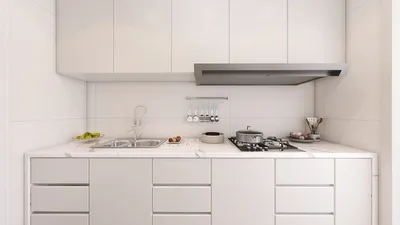


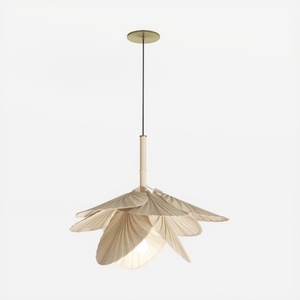
I view modern chandeliers as both an artistic statement and a functional component of interior design: they should effectively anchor the living area while providing a comfortable layer of illumination. A carefully selected chandelier not only defines seating areas but also visually enhances the ceiling height and influences surrounding color and material selections. The essence lies in harmonizing scale, lumen output, glare management, and dimming features—paired with thoughtful ambient, task, and accent lighting layers. Utilizing a tool like Homestyler can greatly assist in visualizing these arrangements.
Real-world effectiveness is crucial. The Illuminating Engineering Society (IES) usually advises a lighting level of around 10–20 footcandles (approximately 100–200 lux) for living rooms, increasing to about 30 footcandles (approximately 300 lux) in reading zones; I prefer staying within the lower range for overall ambiance while enhancing it with table or floor lamps in reading spots. For enhanced wellbeing, the WELL v2 framework promotes adaptable, low-glare lighting techniques and circadian-friendly spectra, which translates to the use of dimmable drivers, warmer color temperatures in the evening, and diffusers that lessen sharp light. For more insights on lighting standards and health impacts, refer to IES standards (ies.org/standards) and WELL v2 (wellcertified.com).
Choosing the Appropriate Size and Drop
Proportion plays a vital role in achieving elegance. A useful guideline is to sum the room's length and width (in feet) to derive the chandelier diameter (in inches). For instance, in a 14' x 18' living room, a fixture of around 32" would serve as a good starting point; open spaces or significant architectural elements may accommodate larger chandeliers. It is essential to maintain a minimum clearance of 7 feet (213 cm) beneath the chandelier in walkways. Over a coffee table, I recommend a mounting height of 28–34" from the tabletop to the fixture base to create a balanced presence without causing glare into the seated lines of sight.
Lighting Levels, Dimming, and Color Temperature
For ambient illumination in the living room, I generally plan for 1,200–3,000 lumens from the chandelier, depending on the room's dimensions, finishes, and supplementary lighting layers. Incorporating dimming (either ELV or 0–10V for integrated LEDs) allows the space to transition seamlessly from lively entertainment to serene movie watching. The color temperature established sets the mood: temperatures of 2700K–3000K provide a warm, inviting feel; while 3000K–3500K complements modern aesthetics featuring cooler stone or concrete elements. An excellent Color Rendering Index (CRI) of 90+ preserves the true colors of art, fabrics, and woods.
Minimizing Glare and Enhancing Visual Comfort
Contemporary chandeliers can have a striking presence without causing discomfort. Features like indirect uplighting bowls, fabric drum shades with diffusers, opal glass globes, and prismatic lenses help to soften LED point sources. It is important to position light sources to avoid direct visibility when seated; shallow canopies and low-gloss finishes contribute to this effect. If you prefer the aesthetic of exposed bulbs, opt for low-glare filament LEDs, dim them to around 30–60%, and pair with warmer color temperatures to reduce harshness.
Form Language: Minimalist, Linear, and Organic
- Linear bars: Ideal for placement over elongated coffee tables or in rectangular rooms. Adjustable stems can help achieve an evenness on older ceilings.
- Clustered globes: Ensure balanced lighting with gentle diffusion, making them perfect for family-friendly and casual living environments.
- Sculptural mobiles: Transform lighting into an art piece, especially effective for high ceilings where movement and empty space are significant.
- Slim rings and halos: Offer a contemporary and ethereal touch; look for internal diffusers and high-quality drivers to avoid flicker.
Ceiling Heights and Architectural Context
For rooms with ceilings under 8 feet, compact semi-flush designs with ample diffusion are recommended. In spaces with heights of 9 to 10 feet, standard stem-mounted fixtures maintain visual openness while defining the seating area. Double-height environments can benefit from tiered or cascading chandeliers that draw attention upward; considering an additional light layer (such as wall washers or cove lighting) can help avoid a cavernous feel.
Light Layering Surrounding the Chandelier
The chandelier serves as a focal point, but it should not dictate the entire lighting scheme. Incorporating dimmable floor lamps behind sofas for reading, wall sconces for vertical lighting, and discreet recessed or track accents to highlight art or architectural features will achieve the recommended IES-referenced overall illumination of 100–200 lux while maintaining a pleasant atmosphere by placing task lights strategically where needed.
The Intersection of Color Psychology and Material Choices
Warm metals, such as brushed brass, enhance cozy environments and pair nicely with 2700K lamps for evening comfort. On the other hand, blackened steel or matte graphite complements modern minimalist schemes, especially with 3000K–3500K lighting on cooler textiles. Opal glass can soften stark contrasts, whereas clear crystal adds brightness and shimmer—just be cautious to use this sparingly in brightly reflective spaces. For tranquil family areas, adhering to low-gloss finishes can help mitigate glare.
Acoustics in Open-Plan Living
In many contemporary living rooms that flow into kitchens and dining spaces, considering reverberation alongside lighting is essential. Selecting fabric drum chandeliers and incorporating nearby felt acoustic baffles can subtly dampen echo without sacrificing style. A significant area rug positioned beneath the seating arrangement can promote both comfort and visual equilibrium below the chandelier.
Energy Efficiency, Maintenance, and Sustainability
Opt for integrated LED modules from reliable manufacturers, ensuring that drivers can be replaced where feasible. Aim for a minimum of 70 lumens per watt for energy efficiency, and when hosting evening events, consider specifying dim-to-warm or tunable-white installations. Finishes that are powder-coated and metals that can be recycled simplify maintenance; utilizing microfiber and distilled water on glass diffusers effectively prevents streaks.
Laying Out Your Space Before Purchase
Prior to making a purchase, I advise modeling the fixture's size and mounting height in relation to furniture arrangements to ensure clear sightlines and adequate circulation. A quick digital layout simulation can validate that the chandelier centers on the seating group as opposed to the room’s geometric midpoint—particularly crucial in asymmetrical spaces. Utilizing a room design tool like Homestyler can provide a swift digital mockup to examine clearances and drop accurately.
Key Installation Considerations
- Check the rating of the junction box to support the chandelier's weight.
- Implement a sloped-ceiling adapter for pitched roofs to ensure the fixture remains plumb.
- Align the dimmer type with the driver—choices include ELV, MLV, or 0–10V.
- Aim to center the fixture above the seating area or coffee table, avoiding centering on the room's geometric center when furniture is offset.
- Maintain a 30–36" visual buffer from adjacent wall art to prevent glare and shadows.
Curated Style Scenarios
- Minimalist loft: A matte black linear LED bar at 3000K, with a CRI of 90+, complemented by wall washers on exposed brick; layered with slender arc floor lamps for additional lighting.
- Warm mid-century: An opal globe cluster in brushed brass at 2700K, utilizing a dim-to-warm driver; a walnut media wall and textured wool rug enhance the coziness.
- Contemporary classic: A slim halo ring with internal diffusion at 3000K placed over a stone coffee table; discreet recessed lighting accentuates drapery for added depth.
Budgeting and Value Considerations
Set aside 8–12% of your living room furnishings budget for the chandelier and related controls. Focus on driver quality, dimming capabilities, and effective optical diffusion, rather than just brand recognition—these factors significantly impact comfort and longevity. For renters, semi-flush designs or plug-in swag pendants provide substantial aesthetic impact with minimal installation hassle.
Frequently Asked Questions
Q1: What brightness level should I aim for in a living room chandelier?
A1: Target approximately 1,200–3,000 lumens from the chandelier and layer in additional lighting to achieve an overall level around 100–200 lux, adhering to IES recommendations for living spaces.
Q2: Which color temperature is the most suitable?
A2: A temperature range of 2700K–3000K provides a warm, inviting atmosphere; for modern, cooler palettes, 3000K–3500K is ideal. Consider dim-to-warm options for evening relaxation and entertainment.
Q3: How do I accurately size the chandelier for my room?
A3: The best way is to add the room’s length and width (in feet) to approximate the diameter (in inches). Make adjustments based on ceiling height, furniture proportions, and the visual weight of the chandelier.
Q4: Can a single chandelier provide all the necessary lighting?
A4: Not effectively. It should serve as ambient light, supplemented by task lights for reading and accent lights for artwork to ensure balanced illumination and adaptability.
Q5: How do I manage glare from exposed bulbs?
A5: Select options like opal glass or fabric diffusers, or utilize designs that diffuse light indirectly. If choosing exposed bulbs, opt for low-glare filament LEDs with warm color temperatures and dimmers to soften brightness.
Q6: Which type of dimmer should I install?
A6: Choose a dimmer compatible with your driver: ELV for many LED chandeliers and 0–10V for more architectural fixtures; ensuring compatibility will prevent issues like flicker.
Q7: At what height should I hang the chandelier above a coffee table?
A7: Generally, it should be installed 28–34 inches above the tabletop, maintaining at least 7 feet clearance in circulation areas without furniture beneath.
Q8: Are modern chandeliers energy-efficient?
A8: Yes, especially when specifying integrated LEDs that achieve around 70+ lumens per watt, amplifying quality CRI, and ensuring operational longevity. You can also pair these with dimming schedules to save energy during low-demand periods.
Q9: What type of finish works best with my design palette?
A9: Warm metal finishes are ideal for earthy tones paired with 2700K lighting; while blackened or graphite tones enhance minimalist vibes under 3000–3500K light.
Q10: How should I consider acoustics in my lighting selection?
A10: In echo-prone open floor plans, select fixtures with fabric diffusers and incorporate soft surfaces, such as rugs; while the chandelier alone won't absorb sound, it can harmonize with acoustic materials.
Q11: Is it possible to use a chandelier in a room with low ceilings?
A11: Yes, opt for shallow semi-flush designs that maximize diffusion while keeping headroom ample—this approach provides adequate ambient lighting.
Q12: What is the best method for centering the chandelier?
A12: Center it above the seating group or coffee table rather than focusing solely on the room’s geometric center. Using a layout simulation tool can ensure proper alignment before installation.


Discover the ease of home design with Homestyler! This online platform offers a user-friendly design tool, stunning 3D renderings, and an array of inspiring design projects and video tutorials. Whether you're a beginner or a seasoned DIYer, Homestyler makes creating your dream space enjoyable and effortless.
今すぐ无料でデザイン
































