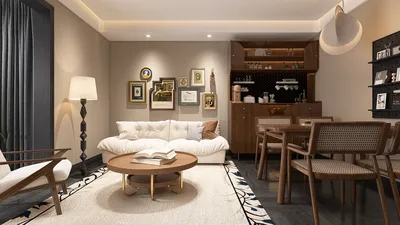


I have orchestrated and conceptualized numerous celebrations in Mumbai’s western suburbs, with Khar being home to some exceptional banquet venues—from cozy lounges nestled off Linking Road to expansive ballrooms near Carter Road. A truly impressive banquet hall encompasses more than just maximum capacity; factors like sightlines, flow, acoustics, and lighting significantly influence the overall experience, alongside how guests and service teams interact during events.
The arrangement of a venue significantly impacts guest comfort. Research from Steelcase reveals that environmental elements such as lighting and sound can affect perceived comfort, influencing engagement in workplace settings by as much as 23%. The same concepts apply to events, where attentiveness, mood, and social dynamics play crucial roles. The WELL Building Standard also suggests maintaining ambient lighting at suitable levels and enhancing visual comfort to minimize fatigue during lengthy events. According to Verywell Mind’s insights on color psychology, warm hues foster sociability, while cooler tones help mitigate overstimulation—an essential consideration during cocktail hours and dinner services. For those interested in further reading, consult Steelcase Research and WELL v2 guidelines.
Defining Characteristics of a Premier Banquet Hall in Khar
Evaluating a banquet hall involves more than just its capacity. I prioritize adaptable floor plans, minimal structural impediments, and ceiling heights exceeding 3.6 meters to enhance ambiance and ensure effective ventilation. Clear pathways are essential to keep service trays away from guest areas, with an ideal load-in route that discreetly connects the kitchen to the stage. Especially for wedding sangeets or corporate launches, unobstructed sightlines to the stage—free from obstructing columns in the main audience area—are crucial. When experimenting with seating arrangements and dance floor placements, consider utilizing a room layout tool like Homestyler to visualize the space and maintain clear exits.
Outstanding Venue Highlights: Khar’s Exceptional Choices
As venue offerings change, several Khar locations consistently uphold exemplary design standards. I typically select halls that enable modular setups for 200–500 guests, include pre-function spaces for registration or bar setups, and offer integrated audio-visual solutions equipped with sound-absorbing materials. Many of the venues near SV Road facilitate smooth valet service, while those closer to Carter Road benefit from natural sea breezes but require careful acoustic considerations. During walkthroughs, verify the presence of ceiling rigging points for lighting, green rooms for performers, and auxiliary power supplies for DJ equipment and kitchen operations.
Layout Approaches for Weddings, Receptions, and Sangeets
In planning sangeets, I position the stage along the lengthy wall to optimize audience engagement, then create a dance floor allocating 8–10 square feet per dancing individual. Utilizing banquet rounds (6–8 guests) in a staggered chevron arrangement enhances sightlines compared to static rows. Maintaining 1.2–1.5 meter aisles is crucial for service and photo opportunities. Transitioning from cocktail to dinner service is smoother with satellite bars positioned near the pre-function area, which encourages guests to gather on one side while staff reset tables. For visualizing alternative setups—like a sweetheart stage compared to a runway—consider employing an interior layout planner like Homestyler to explore relationships between components.
Lighting That Influences Atmosphere
I utilize a combination of ambient, accent, and decorative lighting. The ambient light should range from 200–300 lux pre-dinner, reducing to 100–150 lux during performances to safeguard sightlines. Accent lighting should reach 300–500 lux on stage, controllable via dimmers to prevent unflattering visuals in photographs. Decorative lighting uses warm whites (2700–3000K) on dining tables to foster intimacy; it’s advisable to reduce glare by covering LED filaments and selecting lights with a Color Rendering Index (CRI) of 90 or higher for accurate color representation. Consulting IES standards can assist in calibrating illumination for event spaces, while the WELL guidelines stress on glare reduction and visual comfort metrics to help ensure guests remain relaxed throughout extended functions.
Acoustic Considerations and AV Integration
The bustling corridors of Khar often bring urban noise, thus implementing double-door vestibules and soft furnishings—such as fabric panels, carpet tiles, and sound-absorbing table linens—can create a significant difference. It’s best to aim for reverberation times between 0.8–1.2 seconds within ballrooms to maintain clarity in speech while preserving musical warmth. Stage monitors should be directed away from glass and hard walls, while drapery and baffles can help control echo. For speeches, utilizing microphones with a cardioid pattern minimizes the capture of surrounding chatter.
Service Flow, Back-of-House Organization, and Guest Satisfaction
Top-notch banquet halls expertly orchestrate interactions between kitchens, plating stations, and service routes to ensure guests are unaware of operational intricacies. I prefer layouts where paths for hot food steer clear of air conditioning vents (to avoid manipulating food temperatures) and where staff can circulate around the dance floor without crossing through photo areas. The positioning of restrooms is critical—situating two sets in opposite corners helps alleviate congestion. Adding a mother’s room or quiet lounge for older guests can enhance inclusivity at multigenerational events.
Materials, Decor, and Environmental Consciousness
Khar venues are often characterized by marble lobbies and reflective walls. I strive to balance these reflections with matte textures—such as linen, velvet drapes, and acoustic panels—to manage glare and echo. Opting for low-VOC paints and reusable floral arrangements is advisable when possible; the WELL v2 guidelines underscore the importance of indoor air quality and material safety, especially in packed venues. Utilizing LED lighting fixtures with high efficiency can lessen heat output and energy consumption. For mandaps and staging elements, selecting modular platforms with fire-retardant materials ensures safety without compromising aesthetics.
Capacity Management and Spatial Ratios
For mixed event programming (ceremony, dining, dancing), it’s ideal to allocate 12–14 square feet per guest if providing seated meals combined with a dance floor; cocktail-centered events generally require 8–10 square feet per guest, utilizing high-top tables and lounge areas. Maintain unobstructed sightlines from central aisles to the stage at minimum angles of 5–7 degrees to guarantee the couple or keynote speaker remains visible from most seating locations. When uncertain, utilize a layout simulation tool such as Homestyler to visualize arrangements and check for flow issues at entrances or buffet areas.
Coordinating Vendors and Timelines
Upon arrival, I conduct a brief 10-minute meeting with venue operations, the catering team, DJ, and decor specialists: this is the moment to confirm power setups, cable arrangements, and key timing cues. Lighting technicians require adequate ramp-up periods in sync with the first dance or significant ceremony moments, along with pre-programmed scene settings. Allocate 30 minutes prior to guest arrival for scent placement or candle arrangements, and another 20 minutes following dinner to rearrange spaces for optimal dance flow.
Khar-Specific Booking Recommendations
During peak wedding seasons, venues across Bandra-Khar-Santacruz often have burgeoning schedules, making it vital to confirm dates early and negotiate audio-visual package inclusions (such as moving heads and uplights). Inquire about possible sound level restrictions and cut-off times due to local residential areas. Sufficient parking and valet capabilities can significantly impact decisions; choosing venues with convenient drop-off locations minimizes arrival delays. If rain is expected, ensure that covered access points and indoor alternatives are available for baraats or photo opportunities.
Concise Checklist for Venue Selection
- Adequate capacity and ceiling height suitable for your event requirements
- Unobstructed sightlines or innovative seating arrangements to enhance visibility
- Comprehensive AV systems and acoustics targeting reverberation times around 0.8–1.2 seconds
- Clearly defined service routes separated from guest traffic paths
- Warm white decorative lighting (2700–3000K, CRI 90+) for an inviting ambiance
- Versatile pre-function areas for cocktails and guest registrations
- Transparent policies regarding sound regulations and parking capabilities
Frequently Asked Questions
Q1: When is the best time to reserve a banquet hall in Khar?
A: It’s wise to book 6–9 months in advance during peak wedding season; for corporate events in off-peak times, 3–4 months is generally sufficient. Always have a backup date in mind.
Q2: What are the ideal lighting levels for various event segments?
A: Aim for 200–300 lux during dining periods, lowering ambient lighting to 100–150 lux for performances while maintaining 300–500 lux on the stage for visibility without glare.
Q3: How should I allocate space for guests?
A: For seated dinners accompanied by a dance floor, allocate approximately 12–14 square feet per guest. For cocktail receptions, consider providing 8–10 square feet per guest, factoring in lounge arrangements and high-top tables.
Q4: What enhancements can improve acoustics in reflective venues?
A: Incorporating fabric draperies, carpeted runners, underlays on tables, and acoustic wall panels can greatly enhance sound quality; aim for reverberation times of approximately 0.8–1.2 seconds to ensure clarity in speech.
Q5: What’s an effective layout design for a sangeet?
A: Position the stage along a long wall, arrange tables in a chevron style, ensure a centrally sized dance floor of 8–10 square feet per dancer, and maintain service and photography pathways of 1.2–1.5 meters in width.
Q6: Which color temperatures are most welcoming for events?
A: Warm whites within the range of 2700–3000K foster an inviting atmosphere for dining, while neutral-white accent lighting enhances stage visibility and photography.
Q7: Do you have any eco-friendly advice for decor and audio-visual setups?
A: Consider using LED fixtures (high efficiency, CRI of 90+), low-VOC paints, and reusable floral designs. Modular stages featuring fire-retardant materials are also advisable.
Q8: What should I review regarding AV packages?
A: Ensure you check rigging points, power supply arrangements, backup connections, microphone specifications, and the inclusion or availability of acoustic treatments.
Q9: How can I manage valet services and guest arrivals on the busy streets of Khar?
A: Opt for venues that provide dedicated drop-off zones, stagger arrival timings of guests, and use pre-function areas to ease traffic flow.
Q10: Is there a way to visualize seating arrangements before finalizing a booking?
A: Absolutely—consider utilizing a room design visualization tool like Homestyler to assess layouts, sightlines, and service paths prior to confirming your venue.
Homestyler is your go-to online home design platform! With its user-friendly design tool, stunning 3D renderings, extensive design projects, and informative video tutorials, you can unleash your creativity and visualize your dream space effortlessly. Start your design journey today!
Zaprojektuj teraz za darmo
































