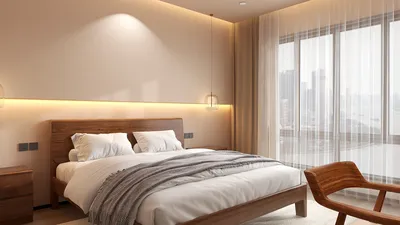


In my experience outfitting countless studios, micro-apartments, and compact living spaces, I’ve discovered that the best swivel rocker recliner designed for small areas is not merely the most diminutive option. Instead, it’s the chair that optimizes circulation routes, balances light and sound, while accommodating human factors efficiently. In cozy environments, a swivel and rocking chair can serve as a versatile centerpiece for discussions, watching TV, and reading corners, as long as its proportions and functionality align with the surroundings. Utilizing a design tool like Homestyler can help visualize furniture placement effectively.
The dimensions of furniture play a crucial role. In standard living areas, paths for movement benefit from a clear width of at least 36 inches; however, for smaller settings, I strive for roughly 30 to 32 inches to ensure comfortable navigation—this recommendation is sourced from standard residential design guidelines. Ergonomically speaking, seat heights ranging from 17 to 19 inches and depths of 19 to 21 inches are generally suitable for a wide demographic. This aligns with human factors principles embraced by leading workplace furniture manufacturers. Research from Steelcase indicates that varying one’s posture enhances comfort and concentration; a swivel rocker inherently promotes such micro-movements, easing pressure and heightening focus, especially in multifunctional spaces. WELL v2 reinforces this emphasis on occupant comfort and the importance of adjustable seating arrangements.
Evaluating a Small-Space Swivel Rocker Recliner
When selecting furniture for tight areas, I apply six specific criteria: footprint size, the freedom of motion, ergonomic support, visual presence, material durability, and the interplay of acoustics and lighting.
Aim for a footprint that measures between 30 to 34 inches wide and 34 to 38 inches deep for genuinely compact environments. Be sure to measure the fully reclined length, as many compact recliners extend to around 60 to 66 inches. Ensure to leave at least 6 to 8 inches behind for both rocking and reclining, and around 4 to 6 inches on the sides if the chair is positioned next to walls or cabinetry. For a precise fit before making a purchase, consider using a room layout tool like Homestyler to visualize clearances and allowable swivel arcs.
Incorporating swivel and rocking functionality introduces dynamic flexibility. To maintain clear sightlines and walking paths, position the chair at an angle of 15 to 30 degrees towards the main focal point—such as a TV or window. Make certain there is a minimum of 18 inches between the chair and any coffee table to allow for knee space. In restricted corners, opt for a wall-hugging recliner that shifts its back forward while reclining, thereby minimizing the space needed behind the chair.
A seat height of roughly 18 inches caters to most users, while a seat depth of 20 to 21 inches, combined with supportive lumbar backing, promotes a neutral spine posture for reading. Arm heights ranging from 23 to 25 inches facilitate easier standing in small spaces. A swivel function that allows for 180 to 270 degrees is generally more practical in tight rooms, as extremely wide rotations can be cumbersome. Furthermore, adjustable rocking tension is important to avoid unwanted movement when standing, making the chair suitable for diverse activities—be it relaxing with a book, short breaks watching TV, or engaging in quick conversations.
In limited spaces, bulky designs can visually overwhelm, even if their dimensions technically fit. I prefer tapered bases, slender arms, and elevated legs to expose more flooring, which enhances the sense of space. For color schemes, mid-tone neutrals (like warm gray or subdued olive) tend to be calming; subtle accent patterns or textures add visual interest without overwhelming the surroundings. Research on color psychology indicates that shades of blue and green can promote tranquility, making them ideal for relaxing areas.
Select performance fabrics with a durability rating of over 30,000 double rubs to ensure longevity, and consider stain-resistant treatments for family-friendly spaces. Breathable fabrics such as open-weave synthetics or cotton-linen blends contribute to thermal comfort. If opting for leather, semi-aniline leather strikes a balance between aesthetics and maintainability. For environmentally mindful shoppers, seek out kiln-dried hardwood frames and CertiPUR-US certified foam, while avoiding heavy solvent finishes. In small rooms, fewer high-quality materials contribute to a cohesive and serene atmosphere.
Swivel mechanisms and rocking features can produce distracting noises. It’s essential to choose high-quality bearings and conduct sound checks during selection. Consider pairing the chair with a dense area rug and soft window treatments to help absorb sound; in smaller settings, even minor mechanical sounds can seem magnified. Positioning the chair away from bare walls can also mitigate low-frequency sound accumulation.
Optimal Size and Layout for Furniture
In a 10×12 ft living room, incorporating one compact swivel rocker recliner alongside a 72 to 78 inch sofa usually ensures effective circulation. Strive for a seating-to-open-floor ratio of 60/40; exceeding 70% dedicated seating can create a feeling of crowding. Place the recliner’s centerline 7 to 9 feet away from the TV screen to prevent neck strain, particularly with larger 55 to 65 inch displays. In studio apartments, a single recliner can serve as an intimate ‘comfort zone’ paired with a slim side table, offering better ergonomics and flow compared to bulkier alternatives.
Strategies for Lighting and Glare Management Near the Chair
Effective reading depends on the right illumination level: a task lamp providing around 300 to 500 lux at seat height is recommended, supplemented by ambient light layers around 100 to 150 lux for relaxation purposes. To control glare, position lamps just off to the side and slightly behind (about 15 to 30 degrees off-axis). Warm white light in the range of 2700 to 3000K fosters relaxation in the evening, and including a dimmer switch can help maintain natural circadian rhythms. Standards from the Illuminating Engineering Society (IES) emphasize the importance of balanced task and ambient lighting for visual comfort.
Understanding Rocking and Swivel Mechanics: Key Considerations
Select a swivel mechanism constructed from steel with sealed bearings to ensure smooth rotation. When it comes to rocking features, check for a natural arc of movement—shorter arcs are preferable in confined areas. Reclining controls should be easily accessible without requiring awkward positioning; side-mounted levers or subtle buttons located near the armrests can help reduce shoulder strain. If the recliner offers power-assist reclining, ensure that any cord management does not obstruct foot traffic by using low-profile covers.
Placement Techniques for Constrained Spaces
Angle the recliner to facilitate both conversation and media viewing; a 20-degree angle ensures social interaction while allowing for clear sightlines. Maintain a gap of 8 to 12 inches from side walls to minimize collision risk while swiveling. If the chair is positioned near a window, consider the clearance required for both rocking and drapery stacks to prevent fabric obstruction. For open-plan studios, consider floating the chair on a rug to define a personal space, while keeping main pathways behind it. To explore various placements without moving cumbersome furniture, an interior layout planner like Homestyler can help visualize recline arcs.
My Top Features for an Ideal Compact Swivel Rocker Recliner
Common Errors to Avoid
Be wary of oversized armrests that occupy valuable inches; neglecting recline clearance which may obstruct cabinet access; positioning the chair too closely to coffee tables (leading to knee collisions during rocking); purchasing power recliners without proper cable planning; and selecting impractically high headrests that dominate views in rooms with low ceilings.
Maintenance Suggestions for Compact Living Areas
Utilize felt pads beneath the chair base if the flooring is delicate, and remember to vacuum fabric surfaces weekly with a soft-bristled attachment to prevent wear. For leather chairs, a pH-balanced cleaner should be used alongside quarterly conditioning. Regularly tightening bolts and inspecting bearings can help prevent squeaks. If the recliner is near a window, rotating it periodically will help distribute UV exposure evenly and slow down fading.
Frequently Asked Questions
I recommend looking for dimensions around 30 to 34 inches wide and 34 to 38 inches deep, with a fully reclined length near 60 to 66 inches. This size generally preserves a comfortable 30 to 32 inches of pathway in smaller environments.
Plan on maintaining 6 to 8 inches behind for wall-hugging models and 8 to 12 inches for those with traditional backs. Always measure the reclined position before making a purchase decision.
A seat height of approximately 17 to 19 inches fits most adults, facilitating easier transitions in snug spaces.
Certainly. A full 360° swivel can be impractical; opting for a 180 to 270° range helps prevent over-rotation while preserving flexibility for enhancing interactions and sight adjustments.
Aim for 300 to 500 lux at the reading material height from a task lamp, ensuring ambient light ranges around 100 to 150 lux. Warm lighting with a temperature of 2700–3000K supports relaxation and glare reduction during the evening.
Look for performance weaves that exceed 30,000 double rubs to ensure durability against wear and pilling. Semi-aniline leather offers a comfortable feel while remaining robust.
Prioritize sealed bearings for the swivel feature, perform annual bolt checks, and place the chair on a dense area rug to minimize vibrations. Quality construction should ensure a quiet operation.
In studios or compact lounges, an appropriately chosen recliner alongside a sleek sofa or modular ottoman often outperforms larger loveseats in terms of circulation and comfort.
Neutral and muted tones promote a sense of calm. Avoid heavy contrasts; instead, enhance visual intrigue through texture rather than bold patterns to maintain cohesiveness.
Position the recliner 7 to 9 feet away from a 55 to 65-inch screen and angle it roughly 20 degrees to strike a balance between conversation and media viewing while ensuring clear movement paths.
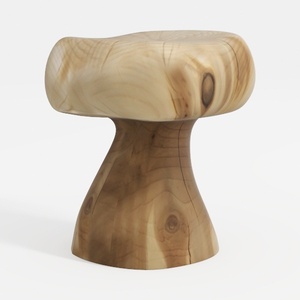


Bohemian Rattan Fabric Accent Armchair with Dark Cushions 3D Model
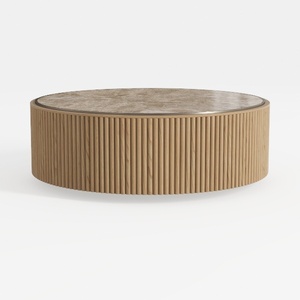
Round Coffee Table with Storage,Fluted Lift Up
Looking to transform your space? Homestyler is your go-to online design platform! With its user-friendly design tool, stunning 3D renderings, and a wealth of DIY video tutorials, you can effortlessly bring your home design visions to life. Start creating today!
Desain sekarang Gratis
































