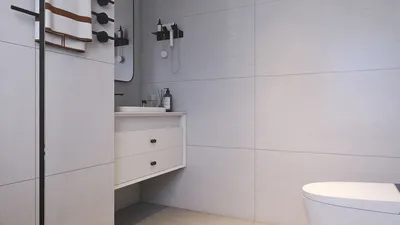


I've always maintained that choosing the right bedside lamps is essential not just for lighting a room, but also for influencing how you relax, read, and rise each morning. A pair of small bedside lamps adds a sense of balance, provides soothing light, and maximizes space on petite nightstands, all while minimizing visual chaos. My goal is to blend warm lighting, adjustable brightness, and designs that won't clutter the tabletop.
The quality of light is crucial. According to the Illuminating Engineering Society, for casual reading, a light intensity of 300–500 lux is ideal, complemented by diffusers or translucent shades to manage glare (IES recommendations). In bedrooms prioritizing well-being, the WELL Building Standard advocates for adjustable lighting and warmer tones in the evening to enhance circadian rhythms (WELL v2 guidelines). Employing a couple of small lamps effectively layers lighting—bright when you need it, calming when you don’t—allowing nightstands to remain clear for hydration, literature, and charging devices.
Beyond merely focusing on lighting levels, user behavior significantly influences design. Research by Steelcase shows that settings allowing personal control—such as individual dimming and easy-to-reach switches—boost comfort and lessen minor frustrations during daily tasks (Steelcase research). From my experiences, utilizing double switching (a combination of lamp base and inline dimmer) ensures comfort for both users, while glare-reducing shade materials alleviate eye strain during nighttime reading. Compact lamp designs—around 11–15 inches tall—create a harmonious visual rhythm that complements lower-profile headboards.
How Small Lamps Transform Your Bedroom Experience
A duo of lamps immediately establishes visual equilibrium. I consider them as foundational elements that frame the bed and enhance balance, reducing visual distractions. Ergonomically, on/off controls should be within 10–14 inches of reach when seated, which feels intuitive. The height of the lampshades should align closely with eye level when seated to minimize glare. My preference leans towards a color temperature between 2700 and 3000K for nighttime use; if you enjoy reading often, you might opt for 3000 to 3500K paired with a high CRI (90+) to depict text and paper accurately.
Light Levels, Color, and Glare Management
For paper reading, I aim for around 300 lux at the page, while ambient lighting for relaxation should sit comfortably around 50–150 lux. Subtle diffusion through frosted or fabric shades maintains even brightness and prevents hot spots. Warm light fosters relaxation—research from Verywell Mind indicates that warmer tones and soft illumination can usher in tranquility. If your lamps utilize LEDs, prioritize flicker-free drivers and the ability to dim to below 10% for late-night use.
Proportion, Scale, and Visual Harmony
Small bedside lamps need to correlate with the dimensions of the bed and nightstand. A common guideline is to keep the lamp height at 1.5–2 times the height of the nightstand to achieve a balanced look; for narrower nightstands measuring 14–18 inches, I suggest lamp bases should not exceed 5–7 inches in width. Coupling this with compact drum or tapered shades (ranging from 8–12 inches in diameter) prevents overhang. Opt for lamps with a sleek visual presence—think slender metal stands, low-profile bases, or petite ceramic shapes that help maintain a clean aesthetic.
Material Selection and Finishes
In smaller spaces, matte finishes help reduce reflections and fingerprints. Shades crafted from linen or textured fabric diffuse light gently, while opal glass offers a more polished appearance with a consistent glow. If space is limited, seek out lamps featuring integrated USB charging options, thus eliminating the need for tabletop chargers. Selecting sustainable materials, such as recycled aluminum, FSC-certified wood accents, or long-lifespan LED modules, can significantly decrease energy consumption and maintenance needs.
Smart Controls and User Considerations
Ensure that each lamp side possesses independent control features. Inline dimmers or touch-activated bases facilitate quick adjustments without the hassle of searching for switches. For couples with varying routines, consider setting one lamp to a warmer, dimmer setting. Positioning switches toward the front or side allows for natural access and minimizes the risk of knocking over items. If glare is an issue, opt for shades with closed tops and soft bottom diffusers; this setup will provide task lighting while avoiding direct views of the light source.
Acoustic Comfort and Visual Consistency
Compact lamps tend to lessen harsh reflections compared to larger, shinier fixtures, while fabric shades contribute to dampening minor high-frequency sounds in subtle ways. For a serene aesthetic, maintain clean cord management by routing cords along the back of the nightstand with clips. Creating a visual rhythm—having two identical lamps positioned equidistant from the bed—enhances the overall tranquility of the space.
Space Planning for Small Bedrooms
When dealing with limited space, it's best to position the lamp base toward the rear third of the nightstand to keep the front area free for easy access and essential items. If you're planning an entire furniture layout, using a room layout tool can be incredibly helpful in testing various nightstand widths and lamp sizes prior to purchasing:
room layout tool
Installation Suggestions and Safety Measures
Position shades at or slightly below seated eye level to prevent glare. Ensure cords aren't pinched by drawers during use. Opt for warm-dim bulbs whenever possible, as they lower color temperature while dimming. If reading is your focus, place the light source slightly ahead of your shoulder line to minimize page shadows.
Styling Insights: Color Psychology for Bedrooms
Neutral-colored lamp bases—such as matte black, soft brass, or stone gray—integrate seamlessly into various decor styles. Soft white or oatmeal shades preserve warmth. According to Verywell Mind, warm colors evoke a welcoming effect, while cooler shades are associated with alertness. Thus, employing a warm-neutral palette around the lamps can significantly enhance relaxation within the bedroom.
Design Trends for 2024-2025
Upcoming trends include compact silhouettes, dim-to-warm LEDs, low-profile materials, and built-in charging capabilities. I've noticed a rise in plug-and-play smart dimmers that maintain the lamp's aesthetic while enhancing control. Textured finishes—such as linen, ceramic, or plaster—contribute to a visually understated yet timeless appeal.
Frequently Asked Questions
Small bedside lamps generally range from 11 to 15 inches in height for compact arrangements. Ensure the lower edge of the shade is close to seated eye level to reduce glare.
Target around 300 lux at the page, with an option to dim below 150 lux for evening relaxation lighting. Pair this with a warm color temperature between 2700 and 3000K.
Yes, as long as they are compatible and adjustable. Aim for a shade diameter of 8–12 inches while maintaining symmetrical placement to frame the bed effectively.
For evenings, aim for 2700–3000K. If possible, utilize warm-dim LEDs to decrease blue light content as the brightness is lowered.
Select either fabric or opal glass shades, ensuring the bulb remains indirect and keeping the shade edge near seated eye level.
Matte metal stems, small ceramic bases, and linen splits are ideal. Avoid large, shiny finishes that reflect light excessively.
Certainly. Individual dimmers or touch controls enhance user comfort, particularly when partners have distinct schedules.
Consider lamps equipped with built-in USB or USB-C ports, or use a low-profile charging tray. Ensure cords are organized along the rear with clips.
A CRI of 90+ will enhance color accuracy and improve textual clarity without harshness.
Aim for shade diameters of around 8–10 inches with nightstands measuring 14–18 inches wide to prevent overhang.
Absolutely. Plug-in smart dimmers or bulbs facilitate customizable settings and scenes without altering the lamp's original style.
Position the lamp base on the rear third of the nightstand, ensuring switches are easily reachable and dim down to 30–40% before bedtime.

Minimalist Solid Pine Wood Low Profile Storage Bench 3D Model
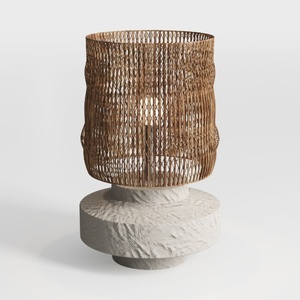

Bamboo Weaving Table Lamp with Handmade Natural
Homestyler is your go-to online platform for transforming design dreams into reality. With a user-friendly design tool, stunning 3D renderings, diverse design projects, and insightful video tutorials, you can easily craft and visualize your perfect space, no matter your experience level!
Design Now for FREE
































