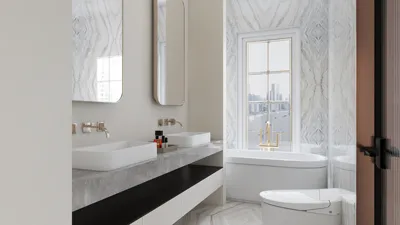


Leather sofas serve as the foundation of a living room, combining comfort, durability, and striking aesthetics. I rely on them to create a sophisticated centerpiece that withstands daily use, particularly in busy households. A carefully selected design, appropriate color, and finish can enhance the atmosphere, transforming it from casual to sleek and modern while still offering comfort. Utilizing a design tool like Homestyler can help visualize changes in your space.
Besides their visual appeal, substantial evidence shows how seating design impacts our daily experiences. Research from Steelcase reveals that a variety of postures can boost comfort and minimize fatigue, which informs decisions on seat depth and cushioning for leather sofas. The WELL v2 standard emphasizes the importance of acoustic comfort and lighting quality for overall wellbeing. By combining leather's sound-reflective qualities with soft furnishings and strategic lighting, I’m able to manage echo and glare in living areas effectively. These insights guide my approach, ensuring a blend of sensory enjoyment and aesthetic appeal while considering tools such as Homestyler for layout design.
Understanding color psychology is essential. According to Verywell Mind, warm shades promote comfort and sociability, while cool colors enhance calmness and concentration. These principles directly apply to leather options: hues like caramel and cognac bring warmth and friendliness, whereas darker tones such as espresso or slate gray create a calming effect. I align color choices with room orientation, light quality, and the habits of the household to prevent any discrepancies between color and usage patterns.
Popular Styles of Leather Sofas and Their Best Applications
• Classic Chesterfield: Featuring deep button-tufting and rolled arms, this style pairs beautifully with formal living areas, libraries, or traditionally decorated rooms. Complement with a low-pile rug and brass decorations for a cohesive look.
• Mid-Century Modern: With its clean lines and bench seat, this style is perfect for small apartments or open lofts. Medium-firm cushions support a neutral posture, accommodating both relaxation and work.
• Contemporary Modular: Sectional and chaise variations adapt seamlessly to changing family needs. I recommend using a layout planner, like Homestyler, for optimizing traffic flow and sightlines around entertainment units and windows.
• Slope-Arm Minimalist: Slim designs keep spaces feeling airy. Choose matte or waxed finishes to minimize glare from bright LEDs.
• Lounge-Friendly Chaise: Ideal for media rooms, a chaise allows for diverse lounging positions; however, avoid placing it in the primary foot traffic pathways.
Selecting the Right Leather: Characteristics, Touch, and Upkeep
• Full-Grain: Known for its enduring strength, it matures beautifully over time. This is the perfect choice for households with pets when paired with tighter-grain leathers and protective treatments.
• Top-Grain: A slightly altered surface, top-grain leather is durable yet smooth, making it an excellent option for everyday living spaces.
• Aniline: Rich in color and soft to the touch, this type has less protective coating—ideal for low-traffic, shaded rooms.
• Semi-Aniline: Offering a good blend of durability and softness, this leather works well in multifunctional areas.
• Nubuck/Suede: While it has a lavish feel, this material requires more care and is best suited for less-used areas or formal spaces.
Color Strategy: Creating Warmth and Balance with Light
I align leather tones with both natural and artificial lighting. In cooler, north-facing rooms, warm shades like cognac can balance the blue light, while in sun-filled south-facing areas, darker shades such as charcoal manage visual brightness effectively. It’s essential to coordinate color temperatures: pair warm leathers with 2700–3000K light sources, and cooler leathers with 3000–3500K to maintain harmony. Utilizing diffusers and shaded fixtures can lessen harsh reflections on leather surfaces.
Proportions and Spatial Dynamics
A seat depth of 20–24 inches is ideal for various household uses; anything deeper than 24 inches may be more comfortable for lounging but can compromise support for shorter users. A comfortable distance of 14–18 inches between the sofa and coffee table is recommended. For sectionals, aim for a minimum of 36 inches in main passageways. To balance visual heaviness, I juxtapose dark leather sofas with lighter curtains and textured rugs, establishing a rhythmic visual dynamic.
Layout Strategies for Various Room Sizes
• Small Living Spaces (under 140 sq ft): Opt for a two-seater or compact three-seater with slim arms and elevated legs to reveal more floor space. Position the sofa slightly away from the wall for a sense of depth.
• Medium Spaces (140–250 sq ft): L-shaped sectionals help define various areas within open concepts. Make sure the chaise isn’t obstructing daylight access.
• Large Areas (250+ sq ft): Arrange two sofas facing each other to encourage conversation. Introduce an additional lounge chair to diversify seating and enhance ergonomics. Use an interior layout planner like Homestyler to fine-tune arrangement clarity and sightlines.
Audio Comfort and Material Pairing
The reflective nature of leather requires partnership with softer materials: use wool or cotton rugs, upholstered chairs, lined curtains, and textured wall art to absorb sound. This combination reduces echo duration and improves clarity, particularly in open-plan homes. Soft cushions and fabric throw pillows contribute to sound absorption without cluttering the space.
Ergonomics for Everyday Living
A seat height of 16–18 inches suits most average adults; adding lumbar pillows provides adjustable support. For frequent screen use, include an adjustable floor lamp positioned at or just above eye level to minimize glare on your leather upholstery. Arm height should also be considered for effortless standing—target 24–26 inches for increased support. A mix of seat firmness, such as a bench seat paired with a lounge chair, promotes regular posture shifts throughout the day.
Sustainability and Maintenance Practices
Durability equals sustainability. Opt for full- and top-grain leathers, along with well-constructed frameworks and replaceable cushion cores for long-lasting use. Wherever possible, choose low-VOC finishes and water-based adhesives. Maintain your leather with pH-neutral cleaners, regular dusting with a soft fabric, and periodic conditioning as recommended by manufacturers. Protect against direct UV exposure to prevent drying and color fading; sheer curtains or low-iron glass can help diffuse sunlight.
Style Combinations and Finishing Ideas
• Contemporary: Pair sleek black or charcoal leather with brushed steel fixtures, a low-profile media console, and a patterned rug.
• Transitional: Choose camel leather alongside wooden side tables, light linen curtains, and warm layered lighting.
• Rustic-Modern: Opt for distressed leather mingled with reclaimed wood and matte black accents—maintain a restrained palette to minimize visual clutter.
• Coastal Calm: Utilize bone leather with light oak elements, woven textures, and soft blue tones for a tranquil environment.
Layered Lighting Techniques for Leather
My lighting design incorporates three levels: ambient (adjustable ceiling lights), task (swing-arm floor lamps), and accent (wall washers or picture lighting). Utilize gentle beam paths to reduce harsh reflections on leather. Softer color temperatures help to minimize glare, while wall washers add equilibrium by illuminating vertical surfaces instead of reflecting light directly off seating.
Common Errors to Steer Clear Of
• Choosing a sofa too large for the space without verifying circulation paths.
• Contrasting high-gloss leather with excessively bright, direct lighting that increases glare.
• Overlooking the importance of acoustic treatments in hard-surface areas.
• Selecting colors that clash with the natural light exposure in the room.
• Neglecting upkeep, which can shorten the leather's lifespan and dull its look.
FAQs
Which leather type is best for durability and maintenance? Top-grain or semi-aniline leather strikes a commendable balance between resilience and comfort, offering greater resistance to wear compared to pure aniline while being easier to maintain for regular use.
How should I dimension my seating to optimize space? Keep the overall width under 78 inches, with slim arms and elevated legs to expose more floor area. Maintain a distance of 14–18 inches between the sofa and coffee table for optimal reach and movement.
Can I use leather in sunny areas? Yes, provided you select breathable semi-aniline leather and accompany it with textiles made from natural fibers. Implement window treatments to minimize direct sunlight and protect the leather’s finish.
What lighting works best with leather sofas? Utilize shaded fixtures, diffusers, and lamps at 2700–3000K to match warmer tones. Place task lights slightly off-axis to avoid creating glare on your leather.
What colors pair well with leather? Opt for warm neutrals, muted blues, olive, and bone tones. Using a textured wool rug along with brushed brass elements can enhance the palette without overwhelming the space.
How can I reduce noise in a room with leather furniture? Incorporate sound-absorbing materials such as area rugs, fabric drapes, upholstered chairs, and soft wall art. Strategic layout planning that avoids large parallel hard surfaces will also help minimize echo.
For larger families or spaces, why opt for a sectional? A sectional not only maximizes lounging options and sightlines but also accommodates traffic flow efficiently in family-centered rooms. In more formal settings, two sofas facing each other can create a balanced conversation area, facilitating easier mobility.
How often should I maintain my leather? Regular conditioning every 6–12 months is advisable, depending on usage and environmental factors. Clean spills immediately with a damp cloth and avoid harsh cleaning products to preserve your leather's integrity.
What should I look for in durable leather? Longevity is paramount; focus on solid construction and replaceable cushion cores. Whenever feasible, choose products sourced responsibly with low-VOC finishes to promote sustainability.
What seat depth is most appropriate? A depth of 20–24 inches is suitable for the majority of households. Keeping lumbar pillows handy for shorter individuals and reserving deeper seats for lounging areas enhances overall comfort.
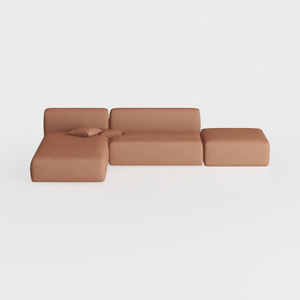
Minimalist Brown Fabric Modular Sectional Sofa 3D Model

Minimalist Solid Wood Linen Fabric Extra Long Sofa 3D Model
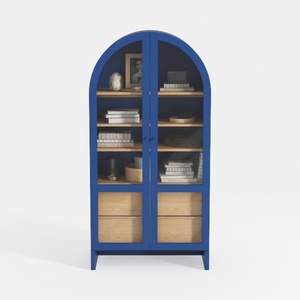
Arched Kitchen Pantry Cabinet with Glass Doors
Homestyler is an outstanding online home design platform that's perfect for anyone looking to transform their space. With its user-friendly design tool, stunning 3D renderings, and a wealth of DIY video tutorials, you'll find everything you need to unleash your creativity and visualize your dream home effortlessly!
지금 무료로 디자인하세요
































