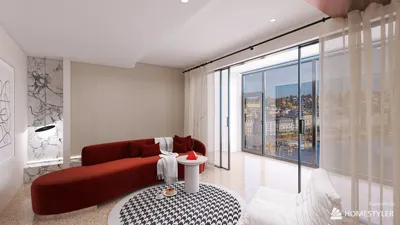


I have created suites focused on wellness and luxury retreats throughout coastal India, and South Goa is undeniably one of my top choices for private in-room jacuzzis. The region's verdant interiors, tranquil beaches, and leisurely pace inspire room designs that fuse hydrotherapy with acoustics and sophisticated lighting. Guests are not merely reserving a tub; they are seeking an experience in wellness, privacy, and a ritualistic ambiance that lasts beyond check-in.
Two key insights guide my assessment of these wellness suites. Firstly, spaces that incorporate biophilic and restorative designs are linked to enhanced self-reported wellbeing; the WELL v2 Mind concept underscores the importance of natural access, visual connections, and thermal comfort as essential components promoting tranquility and contentment (source: WELL v2, Mind & Thermal Comfort). Secondly, the quality of lighting significantly influences perceived luxury and relaxation; as recommended by IES, layered ambient task levels ranging from 100–300 lux should be set for living spaces, with flexibility for mood adjustments (source: IES lighting practice). I keep these factors in mind when selecting hotels that offer hydrotherapy alongside thoughtful interior design.
Criteria for Choosing Jacuzzi Rooms in South Goa
My evaluation combines insights from guest psychology, ergonomics, and architectural systems. I search for: (1) appropriately sized tubs with ergonomic steps to prevent falls; (2) effective sound insulation to ensure jet sounds remain contained; (3) efficient water management and ventilation to control humidity levels; (4) lighting systems featuring at least two circuits and dimming capabilities; and (5) materials that effectively handle moisture, such as porcelain, sealed natural stone, or composite surfaces. According to WELL v2 guidelines for thermal and humidity management, maintaining relative humidity between 30%–60% is key to comfort; suites that have operable windows along with quiet exhaust systems yield the best performance.
Favorite Hotel Styles in South Goa Featuring In-Room Jacuzzis
The hotel offering in South Goa changes with the seasons, yet the most compelling options often adhere to specific designs. Utilize the descriptions below as a design-oriented checklist when assessing particular venues and dates.
These accommodations are typically small, design-focused hotels located in serene areas like Betalbatim, the quieter sections of Colva, Benaulim, or along Palolem. Seek out suites where the jacuzzi is positioned near a window or private garden to take advantage of the gentle coastal breeze and surrounding greenery. Ensure the tub deck features a non-slip surface (R10+), a handheld shower for rinsing, and a floor drain sloping at a minimum of 1:80 to manage any overflow. For nighttime ambiance, aim for warm dim lighting at 2700K around the tub coupled with general ambient lighting at 3000K. Soundproofing solutions—like double-layer gypsum with acoustic insulation—help maintain privacy, even in cozier spaces.
Certain villas include a spa-like bathroom equipped with an indoor jacuzzi and a small plunge pool in a courtyard. The layout is crucial: a dry area for robes and towels, a wet area for soaking, and a transition zone leading to a semi-open deck. Prioritize privacy with screens or green walls measuring between 1.8 to 2.1 meters to obscure any views from nearby paths. When coordinating room reservations for a group, utilizing a layout planning tool can help visualize how suites are arranged around a pool or shared garden to minimize noise disruption.
In larger resorts, look for designations such as Spa Suite, Jacuzzi Suite, or Romantic Plunge Suite. The ideal options incorporate Goan-Portuguese architectural elements—like arched niches and patterned tiles—while incorporating modern moisture management solutions. Inquire about the ventilation system; efficient ERV systems can mitigate humidity and minimize odors. Layers of lighting are essential, with ambient lighting set at 100–150 lux and warm dim lighting at 2700K over the tub to create a spa-like experience free of glare. If a property promotes WELL-aligned features or circadian lighting, consider that an advantage.
How to Interpret Room Descriptions from a Designer’s Viewpoint
Marketing descriptions can sometimes be vague. I seek out clear details regarding: tub dimensions (preferably 170–180 cm long for two users, with a minimum of 60 cm interior depth), type of filler (deck filler with thermostatic control), noise levels (decibel ratings below ~50 dB during jet operation generally indicate comfort), and the orientation of the view. A jacuzzi positioned against a plain wall lacks the restorative potential of one facing lush greenery enhanced with privacy films. Additionally, I confirm the presence of floor ventilation grilles, anti-fog mirrors, and towel warmers for post-soak comfort.
Sensory Comfort: The Role of Lighting, Color, and Acoustics
Warm, soft lighting (2700K) near the water not only reduces glare but also enhances skin tones. I aim for 100–150 lux near the tub, 200–300 lux in the vanity area, and 80–120 lux for nighttime movement, each controlled by separate dimmers. In terms of color psychology, softer greens and mineral blues help soothe the nervous system, while sandy neutrals maintain a coastal feel rather than a themed one. Regarding acoustics, choosing a door with adequate seals and using moisture-resistant acoustic panels with a ceiling NRC rating of 0.7+ can effectively dampen pump noise. If traveling with a light sleeper, I recommend requesting suites without adjoining doors or those located at the end of a corridor.
Durable Materials for Coastal Design
Humidity and salt air can significantly challenge finishes. I prefer porcelain slabs with minimal grout, quartz or solid surface countertops, and marine-grade hardware for longevity. Although natural stone is visually appealing, it requires sealing and precise slope design. For flooring, 10–12 mm thick porcelain with a matte finish balances elegance and practicality. For cabinetry, plywood combined with BWR/BWP grade laminates or compact laminate performs better against moisture than MDF does.
Booking Tips and Seasonal Considerations
Jacuzzi categories often reach full occupancy quickly during peak months (November–February). It’s wise to book in advance and request a layout plan; many properties will gladly provide a PDF upon inquiry. If coordinating several rooms, using an interior layout planner can assist in visualizing proximity to the beach, dining options, and spa amenities. The monsoon season (from June to September) brings out striking foliage; just ensure that dehumidification systems are operational and inquire about any scheduled maintenance for pumps and heaters.
Important Wellness Additions
A few thoughtful details can significantly enhance your stay: consider including magnesium bath salts, a bath pillow, a dedicated towel ladder close to the tub, a Bluetooth speaker with volume limitations, and blackout as well as sheer curtains for light control. If jet massage is a priority, confirm the adjustable positions of the jets and ensure a step-in height of 45–50 cm for safe entrance and exit. Ergonomically designed levers might be more valuable than stylish finishes during late-night soaks.
Guidelines for a Design-Focused Shortlist
When comparing various hotels and villas, consider filtering based on the following criteria:
Suggested Itinerary Complementary to Your Suite
Enhance your stay with activities like a sunset beach stroll at Benaulim, an early morning meal in Majorda, or a visit to a nearby spice farm. Remember to hydrate and set your jacuzzi to 37–38°C for a 15–20 minute soaking session, then follow with a cool rinse to promote circulation. Keep glassware away from wet areas—request stemless tumblers if planning a celebratory drink.
Frequently Asked Questions
Inadequate ventilation can cause issues. Request suites fitted with quiet exhaust systems along with some fresh air provisions. WELL v2 guidelines endorse maintaining relative humidity levels between 30% and 60% for optimal comfort.
There should be three types of lighting: 2700K dimmable sconces near the tub (~100–150 lux), 3000K task lighting at the vanity (~200–300 lux), and a low-intensity night light circuit. Avoid installing downlights directly above the water to minimize glare.
Look for tubs measuring 170–180 cm in length, at least 120 cm in width for corner models, and no less than 60 cm in depth. Tubs with opposing headrests and offset drains offer more usability than single-end versions.
Select suites that lack adjoining doors and inquire about the isolation of the pumps. Quality constructions mount pumps on vibration dampening pads and separate the machinery compartment using insulated panels.
Opt for materials like porcelain slabs, quartz or solid surface countertops, marine-grade hardware, and compact laminate for cabinets. If you choose natural stone, ensure it is thoroughly sealed for longevity.
Outdoor settings provide views and fresh air but require privacy measures and weather-resistant controls. Indoor spaces offer more predictable acoustics and climate management, making hybrid setups near courtyards ideal.
The ideal soaking temperature is typically between 37–38°C for 15–20 minutes, followed by a cool rinse. Stay hydrated and avoid alcohol while enjoying your soak.
Absolutely—request a property map for a better understanding and opt for quieter jacuzzi suites located at the ends of hallways. A straightforward layout simulation tool can assist in visualizing proximity, circulation, and potential noise barriers.
For safe access, request step heights of 15–18 cm, a grab rail, anti-slip surfaces (R10+), and a clear area of 900 mm in front of the tub. Handheld showers will assist with transfers.
Look for signs of water clarity, prompt delivery of hot water, documented filter changes, and responsive housekeeping services. If the property can discuss the specifications and service intervals for pumps, it can be a reassuring indicator of quality.


If you're looking to elevate your home design experience, Homestyler is the ideal platform! With its user-friendly online design tool, stunning 3D renderings, and a wealth of inspiring design projects and video tutorials, you’ll turn your visions into reality effortlessly. Perfect for both beginners and pros!
Design jetzt kostenlos
































