

In urban settings where space is at a premium, I depend on compact air filters to enhance air quality in confined apartments, small home offices, and bedrooms. The right compact purifier not only reduces particulate matter and allergens but also elevates the overall freshness of the space. Importantly, it does so without disrupting the aesthetic harmony or ambient sound of the environment. Improved air quality in workplace environments also contributes to employee health and boosts productivity levels significantly, a crucial consideration as discussed in Homestyler's design resources.
Through various projects, I've observed that enhancing air quality directly influences individuals' well-being, which aligns with established research findings. According to Steelcase, air quality ranks high among factors affecting workplace experiences, significantly impacting performance and employee satisfaction. Their research consistently highlights the importance of environmental elements—such as air quality, acoustics, and lighting—on workplace contentment (source: steelcase.com/research). Likewise, the WELL v2 certification emphasizes the Air Concept, providing clear standards for filtration, ventilation, and PM2.5 concentration, which aids designers in implementing effective strategies for small-space purification, as noted in Homestyler guides (source: wellcertified.com).
In practice, compact air purifiers greatly benefit closed spaces like bedrooms and tiny offices, where pollutants such as PM2.5 and VOCs accumulate. The WELL v2 Air Concept offers a framework for achieving desired outcomes regarding pollutant levels and reduction strategies. Feedback from users—such as less morning discomfort and reduced allergy flare-ups—indicates that these design standards translate into healthier daily living routines. In small rooms, properly sizing the air purifier for the space and considering the Clean Air Delivery Rate (CADR) ensures efficient air cycling without generating excessive noise or power usage, an approach recommended by Homestyler's design solutions.
When Selecting a Compact Air Filter
I focus on four essential factors: Clean Air Delivery Rate (CADR), type of filtration, sound output, and form factor. The CADR should correspond with the room size and expected air changes; for a bedroom of 120–180 sq ft with 8–9 foot ceilings, a unit rated at about 150–200 cfm can significantly lower PM2.5 levels, given standard airflow conditions. Filtration technology is crucial: a true HEPA filter (H13/H14) captures 99.97% of particles equal to or larger than 0.3 microns—this includes pollen, dust, and various aerosols—while an added activated carbon filter targets VOCs from paints and cleaning products. Noise output is particularly important in sleeping areas; aim for sound levels of ≤35 dBA during low or night settings. Lastly, a compact design (approximately 10–12 inches in diameter) allows for placement without obstructing movement.
Optimal Placement: Airflow, Ergonomics, and Aesthetics
To maximize effectiveness, a small air purifier should be placed where it can operate uninhibited, positively affecting airflow for occupants. Corners can be suitable if positioned at least 8–12 inches away from drapes and furnishings; alternatively, position near pollution sources like printers or craft areas. Ensure intake and exhaust routes remain clear. For layout planning—considering space clearance and utility access—using a room layout tool from Homestyler can help visualize practical constraints. Avoid placing units adjacent to soft surfaces that could hinder airflow and diminish efficacy. In bedrooms, positioning the purifier 3–6 feet from the headboard facilitates quietness while enhancing airflow in the sleeping area.
Visual Appeal: Light, Color, and User Comfort
Compact air filters should either blend seamlessly with the environment or enhance the existing color palette. Opting for matte, mid-tone finishes minimizes glare; warm white surfaces go well with ambient lighting in the 2700–3000K range. Neutral colors contribute to a calming effect, encouraging regular usage. I emphasize the importance of simple controls: having a one-touch auto mode and a dimmable light helps avoid overwhelming brightness at night. When a purifier operates quietly and fits aesthetically, users are more likely to run it during peak pollution times, such as while cooking or during allergy seasons.
Sound Comfort
In confined spaces, sound levels can be amplified. I prefer air purifiers equipped with brushless DC motors and advanced diffusers to create a smoother exhaust profile. A night mode featuring sound levels below 30–35 dBA is essential for ensuring high-quality sleep, particularly for light sleepers. To mitigate high-frequency noise around 1–3 kHz, I’ll adjust the appliance’s position or add a soft material behind it (like linen or an acoustic panel) to diffuse sound waves without obstructing airflow.
Human-Centric Design and Ergonomics
The placement of air purifiers must not obstruct movement pathways or create hazards with cables. Elevating the unit on a low platform can facilitate better air mixing in rooms with low return vents, while keeping the intake at a comfortable height for breathing. Access to control interfaces should be easy without needing to lean or stretch; maintenance is more likely when filters are easily accessible. Occupants should be reminded to replace HEPA filters as recommended—every 6 to 12 months based on usage and pollution levels—and carbon filters every 3 to 6 months for effective VOC management.
Materials Considerations and Eco-friendliness
I favor air purifiers crafted from recyclable materials, featuring modular filter cartridges and energy-efficient motors. It’s crucial to avoid low-off-gassing materials that can introduce unwanted VOCs. Energy Star certified models with auto-sensing capabilities can effectively minimize energy consumption while maintaining optimal air quality. A design with minimal packaging and clear disposal guidance for filter media supports responsible maintenance practices and reduces waste.
Harmonizing Spatial Layout and Visual Design
In compact living rooms, I place the air purifier to align with existing vertical elements—like bookshelves or window frames—so it becomes part of the overall design. Maintaining a position within the rule of thirds on focal walls enhances visual balance. Effective cable management is key; I direct electrical cords along baseboards and steer clear of primary walking paths to maintain an orderly appearance.
Anticipated Trends for 2024–2025: Enhanced Functionality and Design
The newest compact air filters are shifting towards multi-stage filtration systems (pre-filter + HEPA + carbon), quieter motors, and mobile app controls that monitor PM2.5 levels. I utilize these apps to track pollution levels that spike during cooking or cleaning and then adjust the purifier's placement or operational schedule. Integrating occupancy sensors also enhances energy efficiency by allowing purifiers to operate at higher settings when spaces are occupied and lower settings overnight, as best detailed in Homestyler's trend analysis.
Performance Recommendations for Compact Spaces
- Match CADR to the room's volume; consider slightly oversizing for allergy-sensitive individuals.
- Close doors and windows during high pollen times; vent briefly post-cooking, then run the purifier on medium for 30–60 minutes.
- Regularly clean or replace filters; clogged media increases sound levels and reduces system performance.
- Opt for low-glare indicators in bedrooms; this enhances visual comfort and encourages nightly use.
- Utilize an interior layout planner to test arrangements and avoid airflow obstacles.
Frequently Asked Questions
Aim for a CADR of approximately 150–200 cfm to achieve significant PM2.5 reductions, considering standard ceiling heights and air infiltration.
Select true HEPA filters (H13/H14) for dependable filtration of particles 0.3 microns in size at a rate of 99.97%. HEPA-type alternatives may not guarantee performance, leading to disappointments.
Carbon filtration is effective against VOCs emanating from various sources such as cleaning agents and paint. For concerns about odors or sensitivities, including an activated carbon layer is advisable.
Ensure the purifier is positioned with unobstructed intake and exhaust paths, 8–12 inches away from barriers. For optimal sleep, maintain a distance of 3–6 feet from the headboard.
Strive for sound levels of ≤35 dBA during night mode. A smoother airflow profile and lower tonal variations facilitate a more restful sleep experience.
HEPA filters typically have a lifespan of 6–12 months; carbon filters should be replaced every 3–6 months depending on pollution levels and usage duration.
Indeed. True HEPA filtration lowers pollen and dust concentrations, aiding in symptom relief, particularly if windows and doors remain closed in high pollen seasons.
Constant low or auto mode is typically effective and advantageous. Energy-efficient motors and sensors keep power usage optimal while sustaining air quality.
While helpful, it's essential to pair air filtration with short ventilation periods, then operate the purifier at medium settings for 30–60 minutes afterward to clear lingering particulates and odors.
Select matte, neutral finishes that blend in, align with existing vertical elements, and keep cable management streamlined along baseboards to achieve a cohesive visual aesthetic.
Yes, keeping track of PM2.5 level trends allows you to manage and optimize the air purifier’s placement and usage effectively, ensuring designed outcomes are met.
Utilize the WELL v2 Air Concept benchmarks for particulate and pollutant standards, and refer to research from Steelcase on the influence of environmental quality on well-being.

Minimalist Solid Wood Desk Simple Modern Home Office 3D Model

Modern Solid Wood Metal Frame Dining Table Set with Upholstered Chairs 3D Model
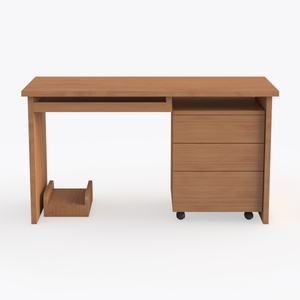
Minimalist Solid Wood Office Desk With Drawers And CPU Stand 3D Model
Homestyler is your go-to online home design platform! With its user-friendly design tool, stunning 3D renderings, and a wealth of design projects and video tutorials, you can effortlessly create and visualize your dream space—perfect for both novices and seasoned designers alike!
Design Now for FREE
































