


For over ten years, I have been perfecting color palettes that can elevate the mood of a space, enhance its functionality, and harmonize with natural lighting. Using Berger's wide array of options allows me to finely tune hue, value, and saturation for various areas like bedrooms, living rooms, and home offices without overpowering the architectural elements. It's essential to get this right, as color significantly influences human behavior and productivity. According to a study by Verywell Mind on color psychology, warm tones can be energizing, while cool tones foster a sense of calm; perceived brightness also alters our interpretation of a room. WELL v2 guidelines further connect color and light to cognitive comfort, emphasizing glare control and circadian rhythms.
When color interacts with light, numerical values become crucial. The Illuminating Engineering Society (IES) suggests maintaining task illuminance levels between 300–500 lux for activities like reading and desk work, which impacts how colors are perceived—mid-tones appear deeper at 300 lux, whereas lighter shades require closer to 500 lux to stay vibrant. Research from Steelcase highlights the connection between visual comfort and productivity, indicating that environments designed to minimize visual strain can boost performance during focused tasks. These standards guide my selection of Berger finishes to ensure they remain appealing in daylight and effective under evening LED lighting.
Understanding behavioral trends is key to selecting the right color palette. Research from Gensler indicates that having a choice and control over one's surroundings leads to higher satisfaction and performance; this concept translates to home environments as well—implementing color zoning to distinguish different activities such as relaxation, social interactions, or deep concentration ensures the palette aligns with the intended use of each space. By carefully considering gloss levels and undertone temperatures, I coordinate colors based on function and the room's orientation to natural light before delving into decorative elements.
Berger Color Strategies by Room
In west-facing living rooms, I prefer using warm neutrals from Berger, hinting at taupe or greige to embrace the golden hour, complemented by blue-gray accents to achieve balance with nighttime LED light. A soft eggshell finish minimizes glare while also maintaining cleanable surfaces. In open-plan layouts, I establish subtle divisions using tonal variations—opting for a slightly darker shade in conversation areas and a lighter tone in circulation spaces. To visualize color zoning and movement paths effectively, utilizing a room layout tool or software, such as Homestyler, can be incredibly beneficial.
Bedroom Palettes for Restorative Calm
For optimal sleep health, I tend to gravitate towards desaturated cool colors such as powder blues, muted sages, and smoky lavenders, paired with warm-white lighting in the 2700–3000K range to support circadian rhythms. While high-chroma colors near the headboard can be revitalizing, I prefer to reserve bold hues for secondary walls or decor elements. Opting for matte finishes on walls helps reduce glare and softens the overall visual experience. In smaller rooms, employing lighter Berger shades with moderate contrast on trims can enhance the perception of depth without the starkness of pure white.
Home Office Colors That Support Focus
In limited workspaces, neutral backdrops in soft gray-beige or clay tones help minimize visual distractions while retaining contrast for screens. Adding a cool green or blue accent wall behind the desk can positively influence attention and alleviate mental fatigue. It’s beneficial to keep the ceiling and upper walls lighter to ensure ambient light reflects evenly, thus reducing shadow effects. Pairing these paint choices with appropriate task illuminance levels around 500 lux is vital in keeping your workspace colors vibrant and your documents easy to read.
Dining Rooms: Appetite and Atmosphere
Warm reds and terracotta tones can enhance social interactions, but it’s important to manage saturation levels to prevent visual fatigue. I prefer rich, earthy reds combined with natural wooden elements and soft white trims, contrasted with honeyed neutrals. For dining in the evening, using dimmable warm lighting at 2700K enhances skin tones and dishes, while semi-matte paint helps maintain appropriate sheen.
Small Space Color Tactics
To visually expand a compact space, coordinating the wall color with the largest furniture piece and using lighter shades for door and window trims can extend the perceived edges. Verticality is important: a slightly lighter ceiling than the walls can create an illusion of height, while a darker floor color grounds the overall composition. Employing low-contrast palettes reduces visual breaks; texture can be introduced through fabrics and natural materials instead of relying solely on vibrant color blocks.
Light, Sheen, and Undertone: The Technical Trio
Color exists in relation to light. Rooms facing north benefit from warmer undertones to balance the cool ambient light, while south-facing rooms can comfortably showcase cooler tones. The choice of sheen should align with the activity; for bedrooms, opt for matte (minimizing glare), while eggshell or satin works best for living spaces (which require easy cleaning and moderate glare control), and satin or semi-gloss for high-traffic areas and trims. Testing Berger samples at different times of day is crucial, as LED lights at 2700K can shift beige towards yellow, whereas 4000K lights may enhance cooler gray tones.
Color Psychology Applied to Everyday Living
Cool blues and greens convey a sense of calm and rejuvenation, making them ideal for bedrooms and study spaces. Warm neutrals make social areas feel inviting without overstimulating energy levels. A single bold accent can serve as a focal point in long, narrow rooms, helping correct visual drift and establish a sense of hierarchy. It’s essential to moderate saturation according to the activities intended: vibrant accents for play spaces, and softer hues in areas designated for focus or relaxation.
Material Pairings That Elevate Berger Paint
The right textures amplify the impact of paint. Combining soft matte blues with linen and brushed cotton, or warm clay neutrals with oak and rattan introduces tactile warmth. In contemporary designs, pairing cool grays with honed concrete or satin-finished metals delivers a sense of clarity. Sustainable materials—such as low-VOC paints, natural textiles, and responsibly harvested woods—help improve indoor air quality and enhance sensory comfort.
Layout-Driven Color Zoning
In multifunctional spaces, I create color boundaries at activity zones. A deeper color can anchor a media wall, while lighter walls behind seating help draw focus. In studios, using painted vertical bands can define work and relaxation areas without the need for physical partitions. Utilizing an interior layout planner, like Homestyler, allows for the testing of these zones and sightlines prior to painting.
Step-by-Step: Testing Berger Colors
1) Select 3–5 shades per room based on the direction of natural light. 2) Apply sizable test patches near corners and primary walls. 3) Evaluate colors under 2700K evening light and midday sunlight. 4) Ensure sheen durability by cleaning a sample patch. 5) Make sure undertones complement existing furnishings—woods, metals, and textiles should harmonize. 6) Finalize the palette with a clear accent hierarchy (primary wall, secondary wall, trim).
For an overview of color impact on mood, refer to studies by Verywell Mind. Lighting performance recommendations can be found in the practices suggested by the IES for ambient and task illuminance. Insights into work environment comfort and control stem from research by Steelcase and Gensler.
FAQ
Q1: What Berger color families are best suited for north-facing rooms?
A1: North-facing light is typically cool and diffuse. Warm neutrals such as greige and soft taupe, along with muted peach and creamy off-whites, help counteract the chill while maintaining a matte or eggshell sheen to reduce glare.
Q2: How can I choose paint colors for a small living room without making it feel confined?
A2: Utilize low-contrast palettes, ensuring that the walls and the largest sofa share similar tonal ranges and using lighter trim to create a sense of expansiveness. Incorporate depth through textures rather than saturated color blocks. A room layout visualization tool, like Homestyler, can assist in maintaining clear sightlines.
Q3: Which color schemes promote concentration in a home office?
A3: Begin with mid-value neutral tones to reduce visual distractions, then add cool green or blue accents on one wall. Pair these choices with task lighting around 500 lux according to IES guidelines to keep colors vivid and documents easy to read.
Q4: What sheen is appropriate for family spaces?
A4: An eggshell or satin finish offers a balance between cleanability and glare control in common areas. Reserve matte finishes for bedrooms and reading spaces, while satin or semi-gloss is suitable for trim and high-traffic doors for added durability.
Q5: How can I effectively use color to create zones in an open-plan layout?
A5: Creating a slight tonal variation between adjoining areas can work wonders—use a deeper hue for conversation spaces and lighter colors in circulation areas. A subtle accent wall can also establish a visual anchor for media zones. Using a layout simulation tool can help in visualizing these transitions before making a final paint decision.
Q6: Do warm colors inevitably make a room feel smaller?
A6: Not always. The perception of size is more influenced by saturation and contrast than by temperature. A gentle warm neutral, when paired with lower contrast, can feel spacious, especially with a lighter ceiling and thoughtfully coordinated trim.
Q7: What is the significance of color temperature in lighting when selecting paint?
A7: Warm lighting (2700–3000K) enhances warm-colored paints and softens cooler hues; neutral-cool light (3500–4000K) highlights cooler tones while giving warm neutrals a yellowish cast. It’s vital to test samples under both light conditions to finalize undertones.
Q8: How can bold colors be managed to prevent overwhelming the space?
A8: Limit high-chroma colors to one feature wall or a defined element to maintain balance. Pair these with softer, desaturated colors throughout the room, keeping the ceiling and larger surfaces in more subdued tones.
Q9: Are there specific Berger colors that work well in acoustically lively rooms?
A9: While color itself doesn't absorb sound, matte finishes can reduce visual glare, thus helping to lessen sensory overload. Calming palettes with muted greens and soft blues work well when complemented with textiles and rugs to help absorb echoes.
Q10: What is the best strategy for trim colors when dealing with complex wall undertones?
A10: Select a trim color that is one shade lighter within the same undertone family—either warm or cool—to avoid clashes. If there is a mix of undertones, a neutral off-white with a balanced gray base can help unify the edges.


Minimalist White Solid Wood TV Cabinet 3D Model
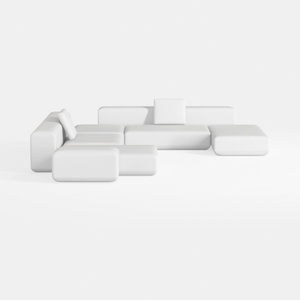
Minimalist Modern White Fabric Modular Sectional Sofa 3D Model

Round Coffee Table, 35.5-Inch Modern Engineered
Homestyler is an outstanding online home design platform that empowers you to create stunning interiors effortlessly. With its user-friendly design tool, impressive 3D renderings, diverse design projects, and helpful DIY video tutorials, transforming your space has never been easier or more enjoyable!
Desain sekarang Gratis
































