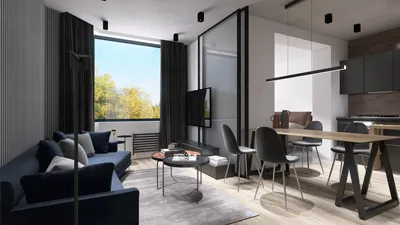


In my past experience, I once made the mistake of painting the wrong accent wall—not just once but twice—due to skipping the primer, which led to an unsightly finish bleeding through. This beginner error highlighted for me the importance of primer; it can truly be the key factor that transforms a room from unfinished to flawless. In compact spaces, primer serves not only as preparatory work but also as a vital design tool, enhancing color clarity, adhesion, and brightness. For those looking to play with color in limited areas, exploring room layout examples can show how even a single painted wall can dramatically alter the ambiance of a room.
1. Opt for tinted primer to achieve your desired color quickly
When clients desire a strong tone yet dread the idea of needing multiple layers of paint, I frequently suggest using tinted primer. By tinting the primer to match the final color, it minimizes the number of topcoats needed, ultimately saving both time and reducing paint waste. While it’s a minor expense that facilitates quicker results, you might still require a finishing coat to achieve the perfect sheen and uniform look.
save pin
2. Prime to secure stains and odors effectively
In one of the older apartments I renovated, persistent nicotine stains and kitchen grease posed a threat of bleeding through the fresh paint. I opted for a stain-blocking primer that sealed everything securely, ensuring that the new finish remained intact. The clear advantage of this approach is that it results in cleaner-looking walls with enhanced durability. A minor downside is the additional drying time required—something to keep in mind when planning a weekend project.
save pin
3. Utilize bonding primers for challenging surfaces like tiles and glossy woodwork
When clients want to revamp glossy trims or paint over ceramic tiles, I rely on bonding primer as my primary choice. This type of primer establishes a strong foundation so that the paint adheres properly, avoiding the disappointment of peeling after a few months. This small initial investment prevents later heartbreak from chipping paint. If you're redesigning a kitchen, matching the right primer with your selections makes the tasks of sanding and scraping much more manageable—especially when considering kitchen layout ideas that integrate new finishes with existing features.
save pin
4. Choose moisture-resistant primers for bathrooms and laundry areas
Bathrooms can be unforgiving with their humidity, steam, and splashes that can damage finishes not properly primed. I always advocate for a mold and moisture-resistant primer for wet zones, which both protects the paint and helps reduce mildew growth. Though it may not be the most budget-friendly option, it avoids frequent touch-ups and keeps small bathrooms fresh—essential for tiny apartments where every detail matters.
save pin
5. Use primer to equalize texture and finish
Primers also provide leveling effects. On patched drywall or uneven plaster, a quality primer creates a uniform surface allowing the topcoat to appear consistent. I recall a studio project where applying primer transformed a patchy wall into a perfect canvas for a bold paint application. Visualizing the anticipated result can be beneficial—I often create quick mockups or show clients a sample board inspired by 3D render concepts, helping them understand the effect before making a commitment.
save pin
FAQ
1. Must I always apply primer before painting?
In most cases, yes—especially for new drywall, stained surfaces, or significant color changes. If you're making minor repaints with similar colors, a high-quality paint that includes primer can suffice, but optimal coverage and longevity typically come from an independent primer application.
2. Which type of primer is suitable for stained walls?
For tough stains such as smoke or water marks, a stain-blocking or shellac-based primer is ideal. These sealers outperform standard latex primers in preventing bleed-through.
3. Can I use primer on glossy cabinets without sanding?
A bonding primer allows you to bypass aggressive sanding in many situations; however, light scuffing still enhances adhesion. For the best results, always adhere to the primer manufacturer's instructions.
4. How long must I wait before painting over primer?
Most primers dry to the touch within a couple of hours, but waiting between 4 to 24 hours ensures full curing and optimal topcoat performance. Always refer to the product label for precise timings.
5. Are tinted primers worth the additional investment?
Absolutely, particularly for dramatic color changes—tinted primers significantly reduce the number of required topcoats, conserving paint and labor. This makes them a prudent choice when you want rich, even color quickly.
6. Is there a primer suitable for very humid areas?
Select mildew-resistant and moisture-blocking primers designed specifically for bathrooms and basements to reduce mold growth and peeling.
7. Do primers impact VOCs and air quality?
Low-VOC and zero-VOC primers are available and recommended for indoor use, particularly in confined spaces. For health recommendations regarding indoor air quality, refer to the EPA guidelines: https://www.epa.gov/indoor-air-quality-iaq.
8. How can I test primer and paint before making a decision?
It's essential to roll a 2x2 foot test patch using both primer and the final paint on the actual wall. Observe the appearance in a variety of lighting conditions to ensure that the finish and color behave as you expect.
save pin
Homestyler is your go-to online home design platform! With its easy-to-use design tool, stunning 3D renderings, and a wealth of DIY video tutorials, you can effortlessly transform your space into a masterpiece. Unleash your creativity and start designing today!
Desain sekarang Gratis
































