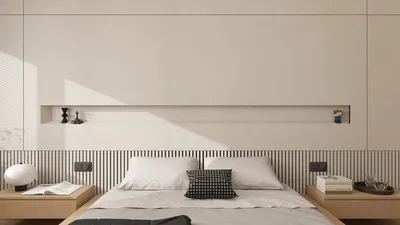


A leather sofa can serve as a strong foundation for a living room, exuding a sense of quiet confidence with its rich texture, long-lasting materials, and an elegant silhouette that matures beautifully over time. The challenge lies in harmonizing its presence with balanced proportions, appropriate lighting, and a diverse mix of materials that not only soften but also enhance the overall aesthetic. In my designs, leather becomes the central element, especially after addressing major factors like scale, pathway clearance, and viewing angles, then enhancing the space with the right color temperatures and tactile contrasts, often visualized perfectly using Homestyler.
Performance is crucial when choosing materials: research from Steelcase highlights that high-quality upholstery maintains comfort for at least five years with proper upkeep, showcasing the long-term benefits of well-constructed leather in home settings. The WELL v2 Light concept recommends a warm ambient lighting range of 2700 to 3000K for lounge areas, promoting relaxation and supporting circadian rhythms. My goal is to achieve 150 to 250 lux for ambient lighting in living spaces, complemented by 300 to 500 lux for task areas like reading nooks. These specifications help ensure that the leather appears warm rather than stark, particularly in evening light, while minimizing reflections from glossy finishes. You can explore these principles in more detail at WELL v2.
Confidence in layout is derived from understanding proportions. To facilitate smooth flow, I maintain a clearance of 30 to 36 inches around the sofa, and leave at least 18 inches between the seat edge and coffee table for easy reach. Additionally, I ensure viewing distances of 8 to 10 feet for optimal sightlines to a 55 to 65 inch television, aligning with human factors comfort standards. When determining seating arrangements—be it sectional sofas or three-seater configurations with accent chairs—I utilize an interior layout planner, such as Homestyler, to simulate circulation and seating arrangements before finalizing the setup.
Choosing the Right Type of Leather
The selection of materials significantly influences both aesthetic appeal and maintenance. Full-grain leather evolves beautifully over time, making it ideal for classic or masculine spaces, while top-grain leather provides a smoother, more consistent appearance. Semi-aniline leather is preferable for family rooms due to its superior stain resistance, whereas aniline leather offers a rich color and depth, making it suitable for luxury environments. If your home includes pets or children, I recommend protected leather with micro-embossing to disguise scratches, along with darker mid-tone browns that effectively conceal everyday wear without appearing heavy.
Scale, Proportions, and Visual Harmony
The sofa must correspond appropriately with wall length and ceiling height. A 90 to 96 inch three-seater is ideal for rooms that are 12 to 14 feet wide; deeper sectionals excel in spaces with long walls exceeding 16 feet or in open-plan layouts. To reduce visual bulk, I advocate for sofas with slim arms, elevated legs, and lower back heights in rooms with ceilings under 8 feet. In more spacious areas, higher backs or channel tufting can introduce vertical interest. A dark leather sofa balances beautifully with lighter rugs and matte finishes to prevent the space from feeling weighted down.
Color Schemes and Psychological Effects
Color psychology suggests that warm neutral tones surrounding leather amplify its inviting nature. Shades like cognac, tobacco, and saddle work harmoniously with off-whites, greige, and muted olive greens. In contemporary schemes, charcoal leather appears more dynamic when contrasted with vibrant hues such as terracotta, saffron, or midnight blue. This effect is heightened by the temperature of the lighting; at 2700K, browns seem cozier and more intimate, whereas at 3000K to 3500K, gray and black leather appear sharper and more modern. Keeping accent colors limited to 3 to 4 tones preserves visual harmony.
Lighting to Enhance Texture and Comfort
Leather surfaces reflect light, making glare control imperative. I create three lighting zones: diffused ambient lighting from ceiling fixtures, focal accents like wall washers or picture lights, and specific task lighting such as reading lamps. Softening features like lampshades or prismatic diffusers help mitigate harsh reflections on the leather. Incorporating dimmers creates the perfect environment for evening relaxation, while ensuring a consistent color temperature across lighting sources prevents an uneven look. I reference IES recommendations for glare control and balanced illumination; more can be found in IES standards.
Acoustic and Tactile Synchronization
The smoothness of leather is complemented beautifully by softer materials. Pairing a leather sofa with a high-pile or textured rug muffles sound and introduces warmth underfoot. Adding throws made from felt or wool creates a pleasing tactile contrast. If your space features hard surfaces, including fabric-lined curtains and upholstered chairs can effectively absorb mid to high-frequency sounds, maintaining a comfortable conversational atmosphere.
Pairing Coffee Tables and Side Tables Strategically
For ergonomic comfort, ensure a distance of around 18 inches from the sofa to the tabletop, with table heights within 2 inches of the seat height. Opting for a round or softly rectangular table can ease the rectangular visual weight of a long sofa. If the leather is dark, consider selecting a lighter wood or honed stone table to provide necessary contrast; matte finishes will help minimize glare and the appearance of fingerprints.
Rug Sizing and Layering Techniques
For visual cohesion, let at least the front legs of the sofa rest on the rug. A standard three-seater generally pairs well with an 8x10 rug, while a 9x12 is suitable for sectionals or larger seating setups. For added pattern without overwhelming the solid color of the sofa, layer a flatweave rug over a wool base.
Styling with Pillows, Throws, and Artwork
Leather furnishings gain a fresh dimension through plush accents: using two larger 22–24 inch pillows along with a lumbar pillow provides comfort while avoiding clutter. Select pillows with a variety of textures such as bouclé, linen, and velvet to contrast with the leather. Throws made from wool or cashmere enhance coziness. For artwork, position the center of the main piece approximately 57 to 60 inches above the floor to align with typical sightlines, while black frames with white mats suit modern aesthetics, and walnut frames beautifully coordinate with brown leathers.
Sectional vs. Sofa Plus Chairs: Finding the Right Fit
Sectionals deliver maximizing seating in open-concept spaces, but they demand broader circulation areas; a combination of a sofa and two chairs offers more flexibility and optimal conversational arrangements in smaller rooms. By utilizing an interior layout planner such as Homestyler, you can trial both arrangements to assess angles, focal points, and foot traffic routes. In tighter spaces, floating furniture 3 to 6 inches away from walls can create an illusion of depth.
Maintenance for Leather: Ensuring Longevity
Regular maintenance is crucial to keep leather resilient: vacuums should target crevices weekly, while a slightly damp cloth works well for surface cleaning, and conditioning every 6 to 12 months according to manufacturer instructions is essential. Manage sun exposure; UV light can gradually fade aniline finishes. Employ breathable throws in sunny spots and rotate cushions to promote even wear. For spills, blot the area instead of rubbing to prevent liquid from seeping deeper into the leather grain.
Sustainability in Material Choices
Look for leather that has been sourced responsibly and frames made from kiln-dried hardwood. Opting for timeless silhouettes can extend the life cycle of the product, while repairable cushion cores enhance durability. Should you lean towards alternatives, high-performance polyurethane or silicone fabrics can mimic the look of leather while offering improved stain resistance, which is suitable for busy family rooms.
Smart Strategies for Small Spaces
Select sofas with slim arms and elevated legs to enhance visual lightness by revealing more floor space. Rather than clustering multiple small frames, opt for one large art piece to minimize visual clutter. Nesting tables can offer flexibility without occupying too much space. Placing mirrors opposite windows can boost ambient light levels and create an illusion of width; keep frames uncomplicated to avoid competing with the sofa's design.
Frequently Asked Questions
Q1: What type of leather is best suited for a family living room?
A1: Semi-aniline or protected top-grain leather strikes a perfect balance between comfort and stain resistance, making it more resilient against daily spills and scratches from pets while still retaining an elegant appearance.
Q2: How can I prevent glare on a glossy leather sofa?
A2: Utilizing diffused ambient lighting, selecting matte finishes for nearby tables, and using floor lamps with fabric shades will effectively reduce glare. Aim for ambient lighting at around 150 to 250 lux and consider adding dimmers to soften reflections.
Q3: What’s the proper distance to maintain between a sofa and coffee table?
A3: A distance of approximately 18 inches promotes comfortable reach and aligns with ergonomic guidelines for ease of movement without straining.
Q4: How many pillows should I incorporate on a three-seater?
A4: Typically, two large 22 to 24 inch pillows along with one lumbar pillow provide both comfort and balance, while mixing textures such as bouclé, linen, and velvet helps soften the leather's appearance.
Q5: What rug size is ideal beneath a leather sectional?
A5: A 9x12 rug usually suits best to accommodate all seating, ensuring that at least the front legs of each piece rest on the rug for a cohesive look.
Q6: How do I choose the right lighting color temperature?
A6: Use a range of 2700 to 3000K for cozy, intimate environments with brown leathers, while 3000 to 3500K is preferable for modern gray or black leather setups. It’s important to maintain matching color temperatures across all light fixtures to avoid an inconsistent feel.
Q7: Can dark leather sofas be too overpowering for small rooms?
A7: Not if counterbalanced with lighter rugs, streamlined silhouettes, elevated legs, and abundant light. Complementing dark leather with lighter wall colors and adding mirrors can expand the perceived space.
Q8: What is an effective seating arrangement for fostering conversation?
A8: A configuration of a sofa paired with two accent chairs arranged at 90 to 110 degrees encourages eye contact and easy traffic flow. Testing layouts using a layout simulation tool like Homestyler can be beneficial before making purchases.
Q9: How can I protect leather from sun exposure?
A9: Employ sheer drapes, UV-filtering window films, or move the sofa away from direct sunlight. Rotate cushions regularly and consider draping a breathable throw over sun-facing arms.
Q10: What table finish complements black leather best?
A10: Options like honed stone, light oak, or matte walnut provide a balancing effect against the depth of black leather, minimizing the visibility of fingerprints compared to glossy finishes.
Q11: How frequently should I apply conditioner to leather?
A11: Conditioning should take place every 6 to 12 months, following the manufacturer's guidelines, while regular dusting and prompt attention to spills by blotting help maintain quality.
Q12: Is it possible to mix leather with fabric seating?
A12: Certainly! A leather sofa accompanied by fabric chairs introduces acoustic softness and visual diversity. Maintaining a unified palette through consistent accent colors or matching wood tones can unify the design.
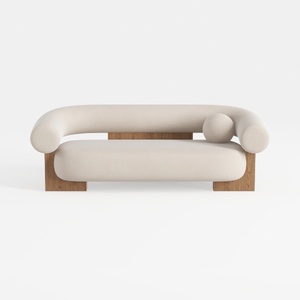

Minimalist Fabric Solid Wood Modern Loveseat Sofa 3D Model
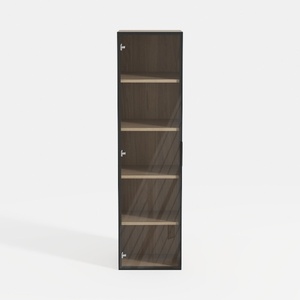
Modern Black Frame Solid Wood Open Shelf Tall Cabinet 3D Model
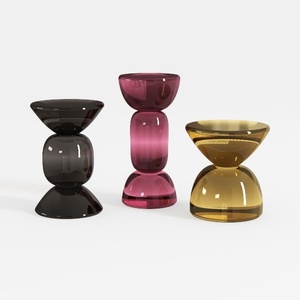
Contemporary Colored Glass Side Table Set 3D Model
Discover your inner designer with Homestyler! This fantastic online platform offers an intuitive design tool, stunning 3D renderings, and a wealth of design projects. Plus, you'll find plenty of DIY video tutorials to guide you. Bring your home vision to life effortlessly!
Design Now for FREE
































