

An 8x10 rug serves as a versatile centerpiece for many living rooms. It is large enough to bring together various seating arrangements while still allowing for easy movement throughout the space. In my design work, this particular size strikes a perfect balance between comfort and style, especially in areas spanning from approximately 12x16 to 15x20 feet. The National Kitchen & Bath Association indicates that typical living room seating depths vary between 34–38 inches; an 8x10 rug ensures that the front legs of your sofas and chairs can rest comfortably on it, enhancing both layout stability and visual harmony.
Visual comfort extends beyond aesthetics. Herman Miller’s workplace studies suggest that spatial coherence can reduce cognitive load, fostering improved concentration and less stress. A clearly defined rug boundary can provide this effect in a home by organizing functional areas and pathways. Additionally, color can significantly influence mood: Verywell Mind highlights that blues evoke calmness while greens promote a restorative ambiance—insights that are invaluable when selecting a color palette for a regularly used living room. Use these principles to choose rug colors that support the desired activities, whether relaxation, conversation, or playtime, particularly with tools like Homestyler.
The Advantages of an 8x10 Rug
When designing spaces where the central seating arrangement includes a sofa and a couple of accent chairs, an 8x10 rug typically encompasses the conversation area without overwhelming the floor space. Aim for a 12–18 inch margin of exposed flooring around the edges; this approach prevents the rug from feeling like it's wall-to-wall while offering a grounded aesthetic. For a sofa measuring between 84 and 96 inches in length, the 8-foot dimension allows the front legs to rest nicely on the rug, while the 10-foot width conveniently supports your coffee table and the front legs of adjacent chairs. In cases of sectional seating with an attached chaise, ensure the chaise remains within the rug boundaries; if not, consider opting for a larger size.
Timeless Layout Guidelines
I adhere to three essential guidelines: ensure front legs are on the rug, centralize the coffee table, and maintain clear circulation pathways. The front legs of major seating arrangements should rest on the rug to stabilize the overall layout. The coffee table must be placed entirely on the rug to prevent wobbling and protect the underlying floor. It's also important to leave at least 30–36 inches of unobstructed pathway behind or alongside seating to ensure smooth movement. For those experimenting with design, utilizing a layout simulation tool like Homestyler can effectively visualize space and clarity before final decisions are made.
Choosing the Right Materials: Function Meets Aesthetic
The choice of fiber significantly influences feel, durability, and maintenance. Wool boasts a resilient pile, natural stain resistance, and superb thermal comfort—making it ideal for bustling family areas. Cotton is light and casual but tends to flatten quicker, making it suitable for layered designs. Synthetic blends like polypropylene and nylon offer robust stain resistance and budget flexibility; opt for heat-set yarns for a softer texture. Natural fibers such as jute and sisal lend an earthy feel but are less forgiving when it comes to moisture and spills; use them in dry zones or layer them under smaller wool or performance rugs for added comfort.
Understanding Texture, Pile, and Comfort
Looped and flatweave rugs present a sharp, modern aesthetic, ideal for compact spaces or households with rolling toys. Cut-pile wool provides a plush feel and visual warmth, while high-low textures introduce depth without trapping debris. If you have pets, steer clear of long shag rugs, as shorter, denser piles are easier to vacuum and less prone to matting. Thoughtful pairing with underlays is important—utilize a felt-and-rubber pad to enhance comfort and prevent slippage while avoiding excessive thickness at thresholds.
The Impact of Color Psychology and Pattern Orientation
Color significantly shapes our perceptions. Soft neutral tones can make spaces feel expansive, while blues and greens induce calmness, and warm terracotta or muted gold energize social areas. Smaller rooms benefit from low-contrast patterns to minimize visual distractions, whereas larger spaces can accommodate bolder designs. Aligning pattern orientation with movement is key—for instance, stripes leading toward a focal wall can elongate the space, while medallions can create a sense of balance in conversation areas. Pulling a color from your upholstery or draperies can create a unified look across your design.
Managing Light, Glare, and Sheen Effects
The positioning of natural light and lamps can alter how a rug appears. Under cooler LED lighting (3500–4000K), grays may take on a bluish tint; conversely, warm lighting (2700–3000K) can turn creams yellowish. The Illuminating Engineering Society suggests maintaining ambient lighting levels of 10–20 footcandles for living areas; this ensures detail is preserved without causing glare. If your space contains large windows that create reflections, opt for matte or heathered yarns to mitigate hotspots. Incorporating floor lamps can highlight the textures without diminishing the color vibrancy.
Enhancing Acoustic Comfort
Rugs significantly reduce sound reverberation, particularly in areas with hard surfaces. A dense wool 8x10 rug over a felt pad can noticeably diminish echo and enhance speech clarity, offering advantages in open-plan living spaces. If your living room integrates with a hard-surfaced dining area, the rug acts as a sound barrier that allows for lower TV volumes while ensuring conversations remain comprehensible.
Matching Proportions with Furniture
Align the aspect ratio of your rug with the seating arrangement. A long, narrow sofa with slim side chairs fits beautifully with the 8x10’s rectangular form; square rooms can also accommodate an 8x10 if the coffee table is symmetrically centered between seating options. Utilize the rug to create balance: if the sofa appears heavy—such as with dark leather or deep charcoal—consider lightening the aesthetic with a textured, mid-tone rug. Conversely, a light-colored sectional pairs well with a rug that adds depth or subtle contrast to counteract a washed-out look.
Implementing a Layering Strategy
Layering techniques can add visual interest and depth to your decor. Start with a robust flatweave 8x10 as a base, then introduce a smaller 5x7 or 6x9 cut-pile rug on top to establish a cozy lounge area. Ensure edges are aligned or offset mindfully, allowing for a 6–8 inch perimeter from the coffee table edges to prevent awkward overlaps. Layering also provides seasonal versatility—swap out the top rug with different textures or colors without needing to rearrange furniture.
Rug Maintenance and Longevity Tips
To ensure even wear, rotate your rug 180 degrees every 6–12 months. Vacuum using a suction-only attachment for wool and looped piles to avoid fuzzing. Address stains promptly by blotting, not rubbing. For synthetic options, use cleaners appropriate for the specific fiber. Installation of entry mats can help reduce dirt tracked indoors, as abrasion causes faster wear than foot traffic. For sun-drenched areas, sheer drapery and UV films can minimize fading while maintaining daylight quality.
Common Living Room Scenarios
• For compact living rooms (approximately 12x16): place the 8x10 rug beneath the coffee table and position the front legs of seating on it, ensuring 12–16 inches of floor exposure around the edges.
• For medium-sized rooms (14x18 to 15x20): align the 10-foot side with the seating depth and situate chairs at corners for diagonal conversation dynamics.
• In open-plan settings: float the 8x10 rug to mark the living area while maintaining a 36-inch clearance to the kitchen or hallway for unobstructed navigation.
A Designer's Essential Checklist
• Measure the seating area footprint—not merely from wall to wall.
• Verify door swings and thresholds before determining pile height.
• Assess color appearance in both daytime and evening lighting conditions.
• Select a rug pad suitable for your flooring type (rubber for tile, felt for hardwood).
• Map out traffic routes and adjust edge clearances to avoid fraying corners.
Frequently Asked Questions
Q1: Will an 8x10 rug fit beneath my sofa and two chairs?
A: Generally, yes! In living rooms measuring between 12x16 and 15x20 feet, aim to place the front legs of all primary seating on the rug while leaving 12–18 inches of exposed flooring around the edges.
Q2: Should my coffee table be entirely on the rug?
A: Definitely. A coffee table that is fully supported by the rug minimizes wobble, protects your floors, and visually centers the seating arrangement.
Q3: What type of pile is best for homes with pets?
A: Opt for dense, low cut-pile or tight flatweave rugs. Avoid long shag options, as they tend to trap hair and can be challenging to clean.
Q4: How does lighting influence rug color?
A: Warmer bulbs (2700–3000K) enhance warm tones; cooler lighting (3500–4000K) may give neutrals a blue tint. Maintain ambient levels near the IES’s suggested 10–20 footcandles for living areas to ensure comfort.
Q5: Is wool a worthwhile investment?
A: Yes, especially for high-traffic areas. Wool naturally withstands wear and tear, offers better soil resistance, and provides significant acoustic advantages compared to many synthetic materials.
Q6: Can I use an 8x10 in a combined living and dining area?
A: Absolutely—float it to define the living space and keep 36-inch pathways to adjacent areas clear for efficient circulation.
Q7: Do patterns make small rooms feel cluttered?
A: High-contrast, large-scale patterns can indeed overwhelm. It's advisable to choose low-contrast or smaller motifs to keep the atmosphere calm and spacious.
Q8: What type of rug pad is optimal?
A: Felt-and-rubber pads provide cushioning and grip without excessive bulk. Ensure the pad is suitable for your flooring type to prevent discoloration issues.
Q9: How frequently should I rotate my rug?
A: Every 6–12 months to balance sun exposure and foot traffic effects.
Q10: Can I layer a smaller rug over an 8x10?
A: Yes—establish a robust 8x10 as a foundation and layer a 5x7 or 6x9 on top to create inviting lounge spaces or to switch textures seasonally.
Q11: Which colors promote a serene environment?
A: Blues and greens are typically associated with calm and renewal; neutral bases with soft undertones can also foster a restful atmosphere.
Q12: How can I prevent corners from curling?
A: Utilize a quality rug pad, reverse-roll the rug pre-installation, and ensure that there’s adequate floor exposure so edges remain free from foot traffic interference.

Minimalist Modern Matte Navy Blue Side Table 3D Model
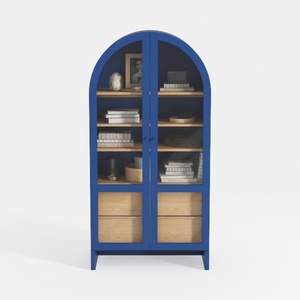
Modern Blue Frame Solid Wood Arched Glass Display Cabinet 3D Model

Nightstands Set of 2 with Charging Station
Discover the magic of home design with Homestyler! This user-friendly platform offers a powerful online design tool, stunning 3D renderings, an array of inspiring design projects, and insightful video tutorials. Bring your vision to life effortlessly and transform your space like a pro!
立即免费设计
































