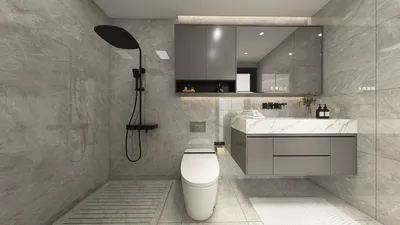


The elegance of a glass top coffee table is undeniable. Its clean lines and airy appearance ensure that a living area feels spacious, allowing rugs and flooring to shine through. These tables effortlessly complement various styles, from mid-century modern to contemporary design. If you're inclined to create your own, you can certainly achieve a DIY version with thoughtful planning and some essential safety considerations. Research indicates that clear, clutter-free visual fields can lessen cognitive overload, contributing to relaxation in home settings. Furthermore, the WELL v2 standard highlights the importance of glare control and visual comfort, essential for fostering daily well-being. With the right glass and lighting choices, you can transform your space remarkably. Introduce tools like Homestyler to help visualize your design before finalizing your project.
The height of your coffee table is crucial, extending beyond mere aesthetics. Studies from Herman Miller show that aligning the table height with standard seat heights—typically between 16 to 18 inches—can optimize function. Aiming for a height within 15 to 18 inches will facilitate comfortable use. For efficient circulation, Gensler’s planning guidelines recommend providing an 18-inch gap around seating arrangements, together with a 14 to 18-inch distance from the sofa to the edge of the table. By adhering to these dimensions, you ensure that your DIY table serves daily needs seamlessly. To explore broader ergonomic and spatial principles, the WELL v2 guidelines focusing on Visual Comfort and the extensive research found at hermanmiller.com/research can offer valuable insights.
Primary Design Considerations and Decisions
When starting your project, it’s essential to focus on four core design elements: proportion, stability, visual comfort, and maintenance. Proportion involves ensuring the table dimensions appropriately match your seating; a good rule of thumb is to have the table be about 2/3 the length of your sofa. Stability influences your choice of base and joinery, as glass requires a robust and balanced frame to support it effectively. Visual comfort pertains to the control of reflections, glare, and edge safety. Lastly, maintenance is about realistic upkeep—while tempered glass is resilient, it can show fingerprints, and finishes should be easy to manage over time. Utilizing tools like Homestyler can assist in visualizing these elements elegantly.
Recommended Materials for Your Table
Top: Opt for tempered glass with a thickness of 10 to 12 mm (3/8 to 1/2 inch). Tempering enhances impact resistance and ensures that if the glass were to shatter, it breaks into small, less dangerous pieces instead of sharp shards. When purchasing, specify polished, beveled, or arrised edges to contribute to safety by minimizing sharp contact points.
Base: Choose between solid hardwoods such as ash, oak, or walnut, or go for powder-coated steel. While hardwood offers warmth and texture, steel provides a sleek profile with exceptional strength. Include quality hardware—like stainless or brass inserts, threaded sleeves, and rubber or silicone bumpers—to reduce contact friction between the glass and base, ensuring a smooth operation.
Dimensions and Layout Considerations
Ideal height for your coffee table should be around 16 to 17 inches. The length should be approximately two-thirds of your sofa length, for instance, around 60 inches for a 90-inch sofa. When considering width, aim for between 24 and 28 inches for smaller living spaces, and 30 to 36 inches for larger seating arrangements. Ensure at least 18 inches of clearance around your seating area and maintain a distance of 14 to 18 inches from sofa to table. To visualize various configurations before making any cuts, utilize layout simulation tools like Homestyler.
Effective Base Styles
Four-leg frame: A simple yet versatile option. Use legs that are 1.5 to 2 inches thick, accompanied by a perimeter stretcher to enhance stability. Consider adding discreet rubber pads for the glass contact points.
Box frame: This design features a rectilinear steel base with welded corners, offering a slim, high-strength, and minimalist look. Be sure to integrate four adhesive-backed silicone pads aligned with the glass corners for added support.
Plinth base: Comprising a low, solid platform slightly inset from the edges of the glass top, this design provides excellent stability while ensuring adequate foot clearance and avoiding bulkiness that counters the glass’s light appearance.
Cross brace / X-frame: An engaging geometric structure that minimizes racking. Maintain level top contact points, reinforcing these with bumpers to shield the glass where it contacts the frame.
Joining Techniques and Stability
For wooden frames, consider using mortise-and-tenon or domino joinery for the legs and stretchers while pocket screws will suffice for secondary components. Incorporate dowelled corner blocks beneath contact discs to help distribute the load evenly. Precisely square and level the frame, as any misalignment will be magnified by the glass.
When constructing with steel, ensure you request mitered and TIG-welded corners, and use a square or straight edge to check for twist. Apply a matte or satin powder coat finish to minimize glare and fingerprints.
Glass Choice and Edge Safety
Select tempered glass with polished edges and consider a slight bevel (1 to 2 mm) for a more forgiving touch that retains a true profile. Low-iron glass is ideal if accurate color representation of your rug underneath is essential, as standard float glass typically imparts a green tint. For families, opting for rounded rectangle corners (with a radius between R10 and R25) offers improved safety while maintaining a clean design aesthetic.
Managing Glare and Enhancing Comfort
Glare is a significant yet often overlooked concern when utilizing glass tops. The Illuminating Engineering Society (IES) advises controlling direct glare through thoughtful fixture selection and positioning. Employ diffused lighting sources such as fabric drum pendants or bouncing LED uplights and place high-intensity downlights slightly off the glass's centerline to minimize reflections. Choose warm-white LEDs in the range of 2700 to 3000K to create a cozy ambiance, and ensure a color rendering index (CRI) of at least 90 for accurate material representation. Lastly, aim for a matte finish on the base to prevent reflective highlights.
Step-by-Step Assembly Guide
1) Confirm size: Use tape to define the footprint on the floor and walk through the space to check reach and circulation. 2) Source glass: Order tempered glass with polished edges cut to your specifications; validate thickness and corner radius. 3) Construct the base: Mill and assemble the frame, ensuring it is square and level. 4) Finish: Sand surfaces with grits ranging from 120 to 220, applying a stain or oil, followed by a protective coat (waterborne polyurethane is a durable, low-odor option). For steel, apply a powder coat finish. 5) Add bumpers: Place rubber or silicone pads where the glass will rest—typically at all four corners and two mid-span points for longer tops. 6) Place the glass: This requires two people—make sure to use clean gloves and soft blankets for protection. 7) Perform a final check: Verify even pad contact, ensuring no rocking occurs, and that the reveal around the perimeter is consistent.
Ergonomics and Daily Interaction
The design should empower easy reach from seating arrangements, avoiding any knee collisions while standing. Ensure the table surface is positioned 14 to 18 inches from the front of the seating. If the table is used for both coffee service and a laptop station, aim for a slightly higher table height of 17 to 18 inches to promote wrist comfort. In family settings, consider utilizing coasters and soft felt trays to manage slipping and safeguard the glass surface.
Styling and Color Influence
Glass elements resonate with a light and cool aesthetic, and pairing them with warm woods such as walnut or white oak creates an inviting balance. Research indicates that blues can promote calmness and concentration, complementing the glass’s clarity. A serene muted blue rug positioned beneath the table can anchor the scene without compromising visual lightness. For added warmth, brushed brass accents can be introduced without overwhelming the overall setup.
Care and Maintenance Guidelines
For streak-free cleaning, utilize a microfiber cloth with a mixture of 50/50 distilled water and isopropyl alcohol. Refrain from using abrasive pads. Regularly inspect bumpers and replace them if they harden or turn yellow. To rejuvenate wood bases, consider a gentle application of furniture wax or a recoat of waterborne polyurethane as necessary each year.
Safety Precautions
Always opt for tempered glass. Avoid any unsupported overhangs exceeding 1 inch on any edge for thin tops; with 12 mm glass and a sturdy frame, minor overhangs are acceptable. If positioned on a plush rug, add adjustable feet to the base to prevent any rocking motion. Always enlist the help of a second individual when lifting the glass and ensure to safeguard the edges during moving processes.
Small Space Layout Tips
In smaller living areas, narrower table widths (24 to 26 inches) facilitate circulation while keeping the rug visible. Employing round glass tops can minimize corner snags in tight pathways. For testing various seating arrangements, an interior layout planner can quickly visualize clearances and user movement, assisting you in finalizing the right dimensions before cutting any materials.
Frequently Asked Questions
Q1: Is it necessary to use tempered glass for a coffee table?
A1: Yes, the use of tempered glass significantly enhances impact resilience and in the event of breakage, it shatters into small, less dangerous fragments. Standard (annealed) glass is not suited for tables.
Q2: What thickness is advisable?
A2: For standard residential sizes, a thickness of 10 to 12 mm (3/8 to 1/2 inch) strikes a good balance between rigidity and weight, while larger tables may benefit from 12 mm to mitigate flexing.
Q3: How can I reduce glare and harsh reflections?
A3: Employ diffused lighting solutions, place strong downlights away from the centerline of the glass, and select matte finishes for the base. Consulting IES guidelines on glare management can provide useful practices.
Q4: How much space should I maintain between the sofa and the table?
A4: Aim for a 14 to 18-inch gap for comfortable reach without extending too far, while also ensuring at least 18 inches of clearance around the seating.
Q5: Can I position metal bumpers or discs directly under the glass?
A5: It is advisable to avoid direct metal-to-glass contact. Use rubber or silicone pads to provide isolation and distribute weight evenly.
Q6: Which base materials complement a glass top best?
A6: Solid hardwoods such as oak, walnut, or ash add warmth and character; powder-coated steel offers slender profiles and robust support. Choose materials based on the room's color scheme and desired visual density.
Q7: Are rounded corners essential?
A7: While not mandatory, rounded corners (R10 to R25) enhance safety, particularly in homes with children or tight pathways, while maintaining a crisp design.
Q8: What method can I employ to clean fingerprints without leaving streaks?
A8: Use a microfiber cloth along with a blend of distilled water and isopropyl alcohol. Make sure to dry the surface with a clean cloth to prevent water spots.
Q9: Is tempered glass prone to scratches?
A9: While tempered glass is resilient, it can still scratch. Utilize coasters and refrain from dragging ceramic or metal items across the surface. Felt-backed trays make for a sensible addition.
Q10: What height is optimal for laptop usage?
A10: If the coffee table serves as an occasional station for laptop work, consider a height of 17 to 18 inches to lessen wrist strain compared to lower designs.
Q11: Is it worth investing in low-iron glass?
A11: For those who prioritize accurate color representation of rugs or floors, low-iron glass is a worthwhile investment, minimizing the green tint associated with standard glass.
Q12: What’s an effective way to trial the layout before committing to construction?
A12: Tape out the intended footprint on the floor and simulate circulation paths. Additionally, utilizing a room design visualization tool can help in comparing dimensions and seating distances effectively.
Originally incubated at Autodesk, Homestyler has grown into one of the most widely adopted home design platforms in the world, now trusted by over 18 million users. Whether you're a homeowner exploring ideas or a professional designer delivering client-ready renders, Homestyler brings industry-leading 3D technology to your fingertips — no experience required.
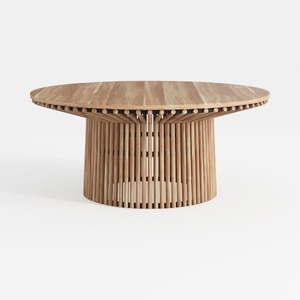

Merax Outdoor Dining Table 47.25" Round Extra
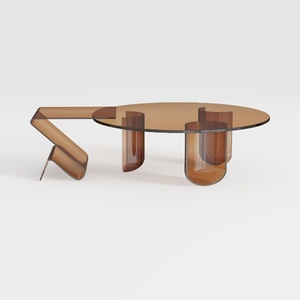
Modern Minimalist Amber Acrylic Glass Coffee Table 3D Model
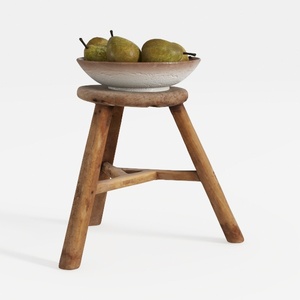
Rustic Solid Wood Small Stool 3D Model
Discover the ease of home design with Homestyler! This user-friendly platform offers a powerful online design tool, stunning 3D renderings, a vast collection of design projects, and helpful DIY video tutorials. Elevate your home aesthetic effortlessly—perfect for both beginners and seasoned designers!
立即免费设计
































