

Booking a banquet hall at JW Marriott ensures you receive exceptional service paired with dependable operations. However, keep in mind that the costs can significantly vary depending on the city, season, and the nature of the event. In major tier-one cities across the United States, typical rates for large luxury hotel ballrooms fall within the range of $150 to $350 per guest, not including tax and service charges. Notably, premium setups and weekend slots tend to drive prices higher. Research conducted by Steelcase shows that well-designed environments can greatly enhance guest satisfaction and increase the likelihood of repeat visits, impacting factors like guest flow, acoustic comfort, and lighting—all of which become critical when you choose to invest in high-end venues. WELL v2 further highlights the importance of quality lighting and effective acoustic strategies in promoting comfort and awareness, making these elements essential during your negotiation process.
For effective capacity planning, the Illuminating Engineering Society (IES) suggests aiming for an illuminance level of about 200–300 lux for banquet seating areas, and 300–500 lux for focal points such as stages or buffet setups. Addressing ergonomics, studies from Herman Miller emphasize how posture and breaks in movement can influence comfort levels—this translates into event design by advocating for cabaret-style layouts and mingling zones that facilitate better movement and minimize fatigue among attendees. These evidence-based insights are crucial as they inform aspects of your budget, such as additional lighting setups, soundproofing materials, and modifications to your floor plan, all of which can considerably affect your total expenses.
Typical Cost Structure at JW Marriott Banquet Halls
Most quotes for JW Marriott banquet spaces feature a standard structure, including rental fees—often waived if minimum food and beverage spending is met, catering fees per guest, service charges, and sales tax, alongside potential optional enhancements.
Ballpark Packages by Event Type
Pricing can vary greatly depending on the format, timing, and intensity of service required. Here are some typical ranges you might encounter:
How Day, Date, and Season Drive Costs
Cost is particularly sensitive to peak times such as Saturday evenings, popular wedding seasons, and high-demand weeks for conventions. Friday and Sunday events often provide more room for negotiation, as well as the colder months in areas with winter climates or the summer months in warmer regions. You can often secure similar gastronomic experiences at a more favorable rate by scheduling during off-peak periods or committing to booking multiple events.
Negotiation Levers That Actually Work
In my experience, I focus negotiations on value additions that enhance the guest experience rather than merely pursuing raw discounts.
Lighting, Acoustics, and Flow: Spend Where It Shows
The comfort of your guests depends on three key aspects: lighting quality, sound control, and circulation. When planning for lighting, aim for layered scenes that include soft, dimmable ambient house lights, warm accent lighting at the tables, and task lighting in service areas. The IES’s guidelines on illuminance help in justifying the type of equipment needed. For acoustics, using softer materials, perimeter drapes, and carpeted aisles can mitigate echoes and enhance speech clarity, in line with WELL v2’s recommendations for noise reduction and glare control which contribute to the overall comfort. Additionally, plan your seating arrangement to include cabaret setups that align with stage lines of sight and wide aisles to facilitate smooth service and reduce the risk of collisions with trays and guests.
Sample Budget Breakdown (Illustrative)
For a wedding with 250 guests in a primary market, an expected total budget might appear as follows:
A rough overall range might be between $100,000 and $130,000+, primarily affected by the choice of bar tiers, entertainment, and the specific date selected.
Layout Strategy to Reduce Costs and Elevate Experience
An intelligent layout can decrease labor costs and rental time while optimizing energy. Maintain clear sightlines—design banquet rounds no deeper than 7–8 rows for segments like awards— and strategically place buffet or chef stations to evenly distribute lines. Consider staging vendor setups in a nearby area to alleviate congestion in the service areas. If you’re exploring options, using a room layout tool like Homestyler can help visualize table counts, dance floor dimensions, and optimal stage depth before finalizing rentals.
room layout tool
Alcohol, Corkage, and Bar Math
Having hosted bars can be significant negotiating tools. A premium open bar might range from $30 to $55 per person per hour; alternatively, capped packages or a hybrid approach (signature cocktails combined with beer and wine) can help manage costs while maintaining service quality. Don’t forget to inquire about corkage fees for any special bottles you wish to bring—these fees can vary and might eliminate potential savings if not handled strategically. Consider providing champagne only during toasts instead of serving it throughout the entire event.
AV and Technical Considerations
Luxury hotel ballrooms are designed for efficient turnover and reliability. Make sure to confirm ceiling attachment points, power availability, and draping systems as early as possible. Request an AV plan that specifies microphone requirements, monitor placements, and cable layouts. For speeches and awards, prioritize clarity and even sound distribution over elaborate effects. If you're planning for live music, remember to allocate part of your budget for additional sound mixing time and specific needs to prevent last-minute costs.
Sustainability and Material Choices
Opt for reusable decor elements, LED lighting options, and seasonal floral arrangements to minimize waste and associated costs. Upgrades to linens and dinnerware can often offer a more appealing aesthetic than large disposable decorations. If printing is necessary, consider consolidating programs and signage or using digital boards connected to the hotel’s display systems. These choices not only enhance visual appeal but also streamline cleanup processes.
Common Hidden Fees to Clarify Upfront
Booking Timeline and Holds
Prime dates at JW Marriott venues typically get booked 12 to 18 months in advance. It’s advisable to place a soft hold while you finalize your budget, and then move to formalize the contract promptly, ensuring that you include a detailed addendum covering AV requirements, load-in schedules, and noise regulations. Keep in mind that deposits usually increase in increments; inquire about a clear schedule for these payments and the terms for refunds in case of unforeseen events or re-booking of the venue.
FAQ
In major markets, expect to see costs ranging from $150 to $350+ per guest before tax and service for a plated dinner with a standard bar. High-end amenities, decor choices, and peak dates could drive overall totals even higher.
Typically, if you meet the food and beverage minimums, the rental fee may be waived. Otherwise, anticipate a flat rental fee or a partial waiver. Be sure to clarify whether setup and teardown times are part of the agreement.
Luxury hotels commonly apply service charges of about 24% to 26%. After factoring in local sales tax, the total increase on your packages could exceed 30%.
Policies may vary by property. In-house service providers are convenient and well-versed in rigging and power needs; however, you might bring in outside specialists with approval, proper insurance documentation, and potentially applicable fees for patch-up or supervision.
Aim for about 200–300 lux at tables with a warmer color temperature of 2700–3000K, and 300–500 lux at stages or buffets for optimal visibility. Employing layered, adjustable lighting ensures that the ambiance is both flattering and functional.
Utilize perimeter drapes, carpeted pathways, clusters of soft seating, and strategically placed speakers. Make certain that dance floors are distanced from reflective surfaces and that speaking areas are positioned within effective sound coverage.
Arrange cabaret or crescent seating near the stage, ensure wider service aisles, and balanced placement of service stations to minimize conflicts during service. Use tools like an interior layout planner, perhaps Homestyler, to simulate setups and confirm required counts and space.
Consider offering a package that includes quality beer, wine, or signature cocktails; limit access to top-shelf options at the head table, and offer a champagne toast rather than full service all night long.
The banquet teams at JW Marriott usually arrange tastings for contracted events; however, premium selections or additional guests might incur extra charges. Once your tasting is complete, finalize your menu selection to safeguard your pricing.
Booking during shoulder seasons (such as winter in colder markets or late summer in warmer climates) and targeting Sundays or Fridays may yield better concessions compared to peak Saturday bookings.
For peak Saturdays, securing bookings 12 to 18 months in advance is wise. Corporate events with flexible dates may occasionally find available space within a shorter timeframe of 6 to 9 months.
Utilizing LED lighting, sustainable decor options, seasonal floral arrangements, and streamlined print materials can all reduce rentals and labor costs while maintaining a sophisticated appearance.
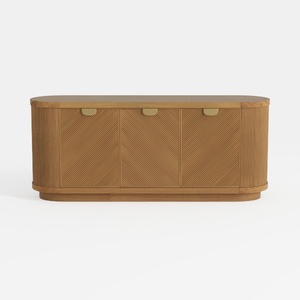
Meridian Furniture 77054Natural Everson Collection
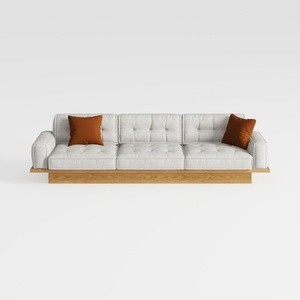
Modern Solid Wood Frame Tufted Fabric Three Seat Sofa 3D Model
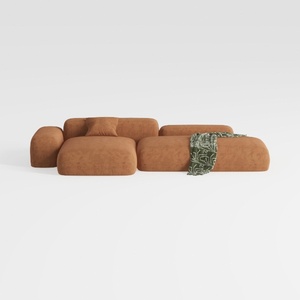
Minimalist Brown Fabric Modular Sectional Sofa 3D Model
Discover the joy of home design with Homestyler! This amazing platform offers a user-friendly online design tool, stunning 3D renderings, a variety of design projects, and helpful DIY video tutorials. Transform your space effortlessly, and unleash your creativity today!
تصميم الآن مجانا
































