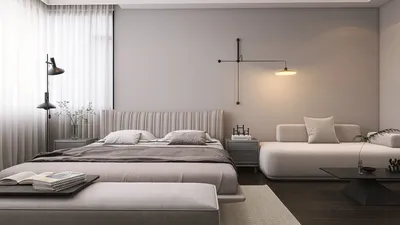


Having designed numerous living rooms, I've come to recognize that incorporating black floor tiles can be a transformative decision that elevates an ordinary space into a striking statement. When executed well, these tiles can effectively anchor a room, enhance structural lines, and allow the furnishings to stand out. Conversely, if poorly executed, they may impart a heavy or flat aesthetic. The objective is to achieve a harmonious and livable design where elements such as light, color, and texture coexist beautifully.
The foundation of visual comfort in living areas significantly relies on effective lighting. According to guidance from the Illuminating Engineering Society, a range of 100 to 300 lux is suitable for living rooms, with areas requiring focused tasks necessitating between 300 to 500 lux depending on the activities performed (IES standards). In accordance with WELL v2 recommendations for glare control, it’s crucial to maintain low unified glare ratings while layering ambient, task, and accent lighting to cultivate the most relaxing experience (WELL v2). Since black tiles reflect less light compared to lighter floors, careful planning of luminance is paramount.
The choice of materials greatly influences both behavior and perception within a space. Research by Steelcase on workplace environments reveals that maintaining visual clarity and minimizing cognitive load enhances focus and relaxation—principles that can be effectively applied at home by utilizing consistent finishes and thoughtful contrasts. In terms of color psychology, Verywell Mind highlights that darker shades can express sophistication and intimacy when harmonized with warm lighting and lighter surfaces. Consequently, black floor tiles can lay a serene foundation, provided that the room's lighting and color scheme are designed to accentuate and define its characteristics.
Design Vision: The Impact of Black Tiles in a Living Room
Black floor tiles create sharp spatial delineations and provide a modern, gallery-like canvas for art, textiles, and wooden elements. Their design contributes to a visually recessed floor plane, promoting crisp visibility of furniture silhouettes and enhancing the perceived order within the room. In larger spaces, these tiles help visually compress the floor, directing the gaze and fostering a cohesive arrangement. Conversely, in smaller settings, they can foster a sense of intimacy, particularly when the walls and ceilings are kept lighter to maximize the sense of space.
Light, Contrast, and Glare Management
Black's ability to absorb light prompts me to employ a layered lighting strategy: an ambient base of soft lighting at 200-300 lux, reading areas at 300-500 lux, and targeted accent lights that highlight textures in upholstery, stone, and greenery. For living rooms, maintaining color temperatures between 2700K to 3000K ensures a warm ambiance, while cooler lighting (3500K-4000K) is only effective if a crisp, gallery-like aesthetic is desired. Controlling gloss levels is also important: high-gloss black can create reflective hot spots under downlights, whereas matte or satin tiles minimize glare and enhance visual comfort. To visualize how light interacts within the room and how movement flows, an effective room layout tool can be invaluable.
Color Psychology and Strategic Palette
Black floors necessitate intentional contrast within the design. I typically favor a layered approach using warm whites for walls, softly greige upholstery, and mid-wood tones such as walnut or oak for furniture, complemented by a tonal rug featuring a woven design to break up the continuous plane. Color can be introduced through art pieces, throw pillows, or a standout accent chair. Rich hues like dark green, rust, and deep blue pair beautifully with black without becoming jarring. Adhering to a 60/30/10 ratio (dominant/light, secondary/neutral-mid, accent/saturated color) helps maintain a welcoming atmosphere rather than a stark one.
Tile Formats, Finishes, and Grout Selection
Opting for large-format porcelain tiles (24×24 inches and larger) diminishes grout lines, resulting in a streamlined, uninterrupted appearance—ideal for contemporary settings. Rectified edges allow for tight joints that enhance clean geometric lines. Natural stones such as honed basalt or slate offer organic variety and a tactile matte finish; however, they require periodic sealing. Porcelain tiles remain practical due to their durability and low-maintenance properties. Grout choice is more significant than many realize: a charcoal grout close to the tile color visually unifies the floor, whereas a lighter grout may create a grid-like effect—useful for establishing rhythm but potentially disruptive to the overall calm. Choose stain-resistant, fine-sand grout and apply sealing as directed.
Ergonomics and Daily Comfort
Hard flooring can alter posture and mobility patterns. To enhance comfort, layering a rug in seating areas is advisable. Ensure unobstructed flow, maintaining clear pathways of 36-42 inches behind seating, and space of 18 inches between the sofa and coffee table for convenience. Seat heights should remain around 16-18 inches; keep in mind that darker floors may intensify shadow presence, so prioritize contrast visibility—using contrast piping on rugs or subtle lighting beneath a credenza can help define boundaries during nighttime.
Acoustics and Sound Control
While black tiles reflect light less, they have a similar effect on sound as other hard surfaces. Incorporating a dense-pile rug or felt underlay can considerably reduce sound reverberation. Furnishings upholstered in fabric, along with curtain treatments and bookshelves, can aid in sound absorption and diffusion. High ceilings with minimal drapery might amplify acoustics—counteract this by integrating textiles and plants. In open-plan spaces, a runner leading from entry to seating can minimize footfall noise without compromising the visual flow of the flooring.
Maintenance and Longevity
Selecting porcelain tiles ensures a resistance to stains and scratches; seek out a PEI rating suitable for high-traffic residential use and a slip resistance around DCOF ≥ 0.42 for dry environments. Matte surfaces are less prone to visible smudges compared to polished finishes. Basic upkeep involves using a soft broom or microfiber mop accompanied by pH-neutral cleaning solutions. In pet-friendly homes, while darker floors may not disguise fur as much as anticipated, surface texture is beneficial, and a consistent cleaning regimen keeps them looking pristine.
Sustainability and Material Responsibility
For those leaning towards natural stone, choose sources that employ transparent quarry practices and consider honed finishes to minimize polishing. Porcelain tiles with recycled elements can effectively lessen environmental footprints. It’s best to balance hard surfaces with sustainably-sourced rugs (wool, TENCEL blends) and furniture made from FSC-certified wood. Utilizing natural fiber textiles can introduce warmth to counter the visual chill of black flooring.
Layout Strategies for Various Room Sizes
In compact living rooms, it's beneficial to slightly float the sofa from the wall to create an illusion of space, opt for a lighter rug than the floor, and position two accent lights towards artwork or shelving to draw vertical focus. In larger areas, using sectional seating can anchor the space, flanked by lounge chairs; this prevents the appearance of black floors from becoming overwhelming. When experimenting with furniture placement and circulation paths, a reliable interior layout planner can provide quick insights.
Styling: Textures, Metals, and Wood Tones
To balance the weight of black flooring, integrating diverse textures is key. Pair matte tiles with boucle or linen materials, and include a leather accent to smoothly bridge warm and cool tones. Metals such as brushed brass or aged bronze look striking against black; polished chrome may appear cold unless used in a deliberately minimalistic design. Employing mid-to-warm wood shades (oak, walnut, teak) can maintain an inviting atmosphere. Incorporating a singular stone element—like a marble table or travertine pedestal—can introduce understated luxury without overshadowing the flooring.
Common Mistakes and Practical Solutions
Overdependence on ceiling lighting can result in glare and unwelcoming zones; counter this with the inclusion of floor and table lamps. Too little contrast may render a space flat—consider elevating wall and textile shades to create more depth. Excessively glossy tiles can exaggerate reflections; opting for satin or honed finishes can mitigate this. Additionally, busy grout patterns can disrupt tranquility; requesting tighter joints with darker grout can enhance cohesion. Finally, resist the urge to overuse black; the flooring is a cornerstone of design, not the entirety of it.
FAQ
Indeed, black tiles can be effective provided that walls and ceilings are kept light. Incorporating a textured rug and warm lighting set at 2700-3000K will create a welcoming contrast that enhances perceived room volume.
Opting for matte or satin finishes alleviates bright reflections under lights and yields improved visual comfort. While high-gloss can be captivating, it necessitates meticulous glare management and strategic lighting angles.
A charcoal grout or one that closely matches the tile color will promote visual cohesion for the floor. A lighter grout is appropriate only if intending to achieve a geometric grid effect; pursue stain-resistant grout and seal it as recommended.
Yes, especially with polished finishes. Using matte textures and regular microfiber cleaning can help minimize the appearance of footprints. A balanced pH-neutral cleaner maintains the floor's luster.
Ambient light levels should be set around 100–300 lux for living areas, while 300–500 lux is recommended for reading or task zones, as outlined by IES guidance. Choosing a warm color temperature (2700–3000K) will promote relaxation.
To create warmth, consider warmer woods (like oak or walnut), soft textiles (such as wool or linen), and warm metallic accents (brass or bronze). A tonal rug accompanied by plants can introduce organic texture.
For ease of maintenance and durability, porcelain stands out as the best choice. Natural stones like slate or basalt possess unique charm but require more care and sealing. The decision should align with individual lifestyle and maintenance preferences.
Aim for a DCOF of approximately ≥0.42 for dry residential flooring. Matte finishes and textured surfaces enhance traction while preserving elegance.
Absolutely. Keeping walls and larger furniture pieces light, using natural wood elements and layered textiles will allow the black floor to provide a modern contrast amidst restrained, functional designs.
Ensure pathways are marked at 36-42 inches, allow for 18 inches between the sofa and coffee table, and consider floating the seating area on the rug to establish clear boundaries. Utilizing a layout simulation tool can assist in testing arrangements effectively.
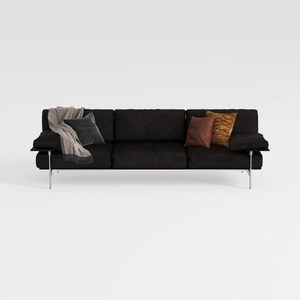

Modern Black Fabric Metal Leg Large Sofa With Throw Pillows Blanket 3D Model

Modern Black Velvet L-shaped Sectional Sofa 3D Model
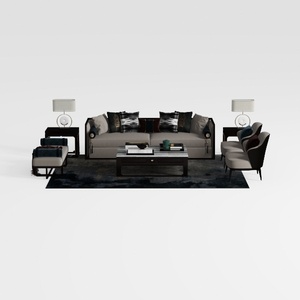
Modern Fabric Wood Living Room Furniture Set Sofa Chairs Coffee Table Lamps 3D Model
Looking to redesign your home? Homestyler is your go-to online platform! It offers an intuitive design tool, stunning 3D renderings, and a vast collection of design projects. Plus, you'll find helpful DIY video tutorials to guide you every step of the way. Transform your space effortlessly!
Desain sekarang Gratis
































