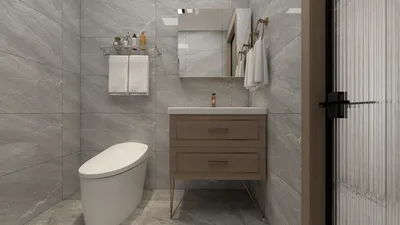


I have evaluated and tried numerous automatic room fresheners across various settings, including residences, hospitality venues, and small offices. The most effective outcomes occur when considering fragrance techniques, ventilation, lighting, and user behavior together. Scent should enhance clean airflow instead of masking poor air quality, ultimately contributing to a positive mood. The WELL v2 standard links indoor air strategies to cognitive performance, and research by Steelcase indicates that sensory comfort significantly affects productivity and overall satisfaction. A 2023 study found that 41% of employees desire more control over their environment, including air quality and scent. This insight aligns with my approach to calibrating automatic sprays in communal areas—ensuring they are precise, subtle, and adjustable, similar to what is offered by tools like Homestyler.
The interplay between color and scent affects perception. According to an overview by Verywell Mind on color psychology, cooler shades can induce calmness while warmer tones invigorate. This concept applies to scent family choices as well. For instance, citrus fragrances fit well in focus areas, while softer woods and greens are ideal for living rooms or lounges. From the WELL v2 guidelines concerning air and scent comfort to insights gathered by Steelcase regarding workspace behavior, analytics support a comprehensive approach: maintaining low VOC levels, utilizing neutral ventilation, and adding light, periodic fragrance—generally every 15 to 30 minutes—to prevent sensory fatigue.
Design Principles for Automatic Spray Placement
Automatic dispensers work best when they distribute fragrance into the air current rather than directly towards people. I recommend placing units 6 to 7 feet high and at least 6 to 8 feet away from seating areas or beds, ensuring they aren't directed at faces, food zones, or heated equipment. Avoid locations near HVAC returns where the fragrance might be rapidly drawn away. In smaller apartments, one unit can efficiently cover 100 to 150 square feet, especially when paired with natural or mechanical airflow. For intricate room layouts, I start by sketching airflow paths; for quick visualizations or circulation assessments, a room design tool can be beneficial, much like how Homestyler operates.
Choosing the Right Fragrance Profile
It's essential to align fragrance with the purpose of the space. Bright citrus or herbal scents are excellent for entryways and transitional areas, as they help to clear the mind. Living rooms benefit from fragrances that are green, tea-like, or lightweight woodsy, providing a grounded feel without overwhelming softer textures. Bedrooms are best suited to low-intensity scents like lavender, chamomile, or gentle musk—optimized for longer dispersion intervals. For kitchens, avoid sweet gourmand fragrances that can clash with cooking smells; instead, opt for fresh, clean scents. In bathrooms, ozone, eucalyptus, or sea salt fragrances can be effective, but moderation is key to prevent conflict with cleaning supplies.
Frequency, Intensity, and Sensory Fatigue
More spray does not guarantee fresher air. I recommend starting with the lowest dose and setting intervals to 20 or 30 minutes, followed by two days of monitoring occupant reactions. Users often adapt to scents quickly, so the objective is to establish a gentle baseline rather than a strong 'burst' of fragrance. In smaller spaces, selecting micro-mist technology can minimize wet residue on surfaces. If a unit includes daylight sensors, program it to spray during active hours only, as nighttime releases may disrupt sleep and create associations of scents with wakefulness.
Integrating with Ventilation and Filtration
Automatic fresheners should complement a clean air foundation, which includes regular airing out of spaces, efficient bathroom exhaust systems, and appropriate filtration. Position the dispenser strategically near air movement sources—not in stagnant spots—to ensure even fragrance distribution. Avoid placing units next to high CADR air purifiers that will quickly eliminate scents. Instead, position them across the room for a gradual blend. For those who are sensitive to scents, consider testing a hypoallergenic or unscented cartridge first, similar to the thoughtful design provided by platforms like Homestyler.
Light, Acoustics, and Material Considerations
Lighting impacts how individuals perceive cleanliness. Spaces with ambient light levels below 300 to 500 lux appear more serene, while harsh or excessively cool lighting of 5000K or above can render even pleasant scents feel uninviting. I aim for a balance of 300 to 400 lux at 3000 to 3500K in living areas, ensuring controlled glare—following IES recommendations for task-specific lighting. Regarding acoustics, quieter mechanisms are preferred, as repetitive clicking sounds can be annoying in smaller rooms. The materials used are also important: porous fabrics such as wool and heavier cotton can absorb scents, while tighter weaves and easy-to-clean finishes help retain fresh notes. It's best to keep cartridges away from marble and untreated metals that may react adversely to residue.
Ergonomics and Safety
Install units in accessible locations to make refills convenient, ideally at shoulder-to-eye height in most residences. Pointing sprays along pathways where individuals walk can be disruptive; they should not be aimed towards infant areas or pet beds, as animals react differently to scents and might be more sensitive. In hospitality scenarios, I maintain logs of refill dates, battery life, and interval settings on the back of the dispenser for housekeeping clarity.
Sustainability and Refill Strategy
To minimize waste, select systems that utilize recyclable cartridges and long-lasting batteries. It's advisable to choose IFRA-compliant scents with transparent ingredient listings, avoiding heavy fragrances that linger and necessitate additional ventilation to dissipate. In multi-room apartments, opting for a scalable dispenser covering 200 to 300 square feet at moderate intervals is a better choice than numerous small units operating at a high intensity.
Behavioral Patterns and Zoning
Consider scent as a subtle boundary within spaces. Place brighter fragrance profiles near entry points, neutral or green notes in communal lounges, and limited scent in areas designated for deep focus or rest. If you’re designing an open-concept living-dining area, evaluate airflow by utilizing a low HVAC setting and lighting a match to observe dispersion patterns. For intricate furniture arrangements or circulation studies, implementing an interior layout planner can help simulate placements before affecting walls, similar to how one might strategize with a tool like Homestyler.
2024–2025 Practical Trends
- Integration of adaptive scheduling linked to occupancy sensors to prevent waste.
- Lower VOC, plant-based scents that align with biophilic design principles.
- Seamless integration with smart home scenes (ventilation plus micro-mist before guests arrive).
- Subtle, matte finishes that blend with trim or shelving.
- Data-driven comfort: adjusting scent intervals based on user feedback, consonant with Steelcase's research emphasizing control and comfort.
Setup Checklist I Use on Projects
- Ensure ventilation systems are operational and filters are clean.
- Start with the lowest intensity; set intervals for 20 to 30 minutes during the day only.
- Mount dispensers 6 to 7 feet high, keeping distance from faces, food areas, and returns.
- Align fragrances to the purpose of each zone (citrus for entry, green for living, soft floral for bedrooms).
- Protect sensitive surfaces by maintaining a distance of 12 to 18 inches.
- Keep a log of settings and reassess after 48 to 72 hours based on user feedback.
- For shared areas, implement a scent-free day weekly to reset perceptions and collect feedback.
FAQ
Use the lowest intensity with intervals of 30 minutes alongside a gentle, sleep-friendly scent such as lavender or chamomile. Position units at least 6 to 8 feet away from beds and steer clear of nighttime schedules to protect sleep quality.
Install the dispenser 6 to 7 feet high on a wall that captures gentle airflow, ensuring it remains near but not in direct circulation paths. Keep it away from intakes, faces, and upholstered furniture to promote even diffusion without hot spots.
No, these fresheners work in conjunction with good air management practices. Maintain exhaust systems in kitchens and bathrooms, open windows where feasible, and employ filtration as necessary. Scent should enhance, not cover up, air quality.
Start with a timing of 20 to 30 minutes, utilizing micro-mist options when available. If users stop noticing the scent yet guests find it agreeable, you’re likely at an ideal baseline. Increase dosage only if unpleasant odors persist.
Certainly, fresh scents such as citrus, mint, or tea can enhance alertness. The color psychology highlighted by Verywell Mind suggests that cooler, cleaner cues foster calm focus, and I reflect this through airy citrus and green aromas.
Opt for micro-mist cartridges, ensure orientation away from walls and artwork, and maintain a distance of 12 to 18 inches from surfaces. Clean the nozzle monthly and avoid directing sprays toward marble or untreated metals.
Exercise caution; direct exposure and high-intensity sprays should be avoided. Choose hypoallergenic or unscented deodorizing products placed nearby, steering clear of above cribs or pet beds. Keep an eye on behavior for signs of irritation.
Ambient lighting of 300 to 400 lux at 3000 to 3500K can create a clean environment without feeling clinical. Manage glare carefully. When in task zones, adhere to IES task lighting guidelines, keeping fragrances light to prevent sensory overload.
Temporarily tape the freshener and run it for two days while monitoring airflow with a small paper strip. In complex room designs, using a layout simulation tool allows for assessing circulation and coverage before making final placements.
Commence with unscented deodorizing cartridges and gradually introduce scents, or limit to brief bursts just before guests arrive. Ensure windows can be opened and consider activated carbon purifiers to manage odors without introducing fragrance.
As a rule of thumb, one well-placed dispenser can adequately manage 200 to 300 square feet at low intensity with optimal airflow. For larger spaces with partitions or lofted areas, divide them into distinct zones with separate schedules.
Absolutely. Incorporating occupancy or daylight-linked schedules can minimize unnecessary sprays during unoccupied periods or at night, aligning with research underscoring the importance of occupant comfort and control.
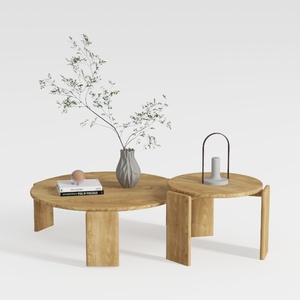
Minimalist Solid Wood Round Nesting Coffee Tables 3D Model
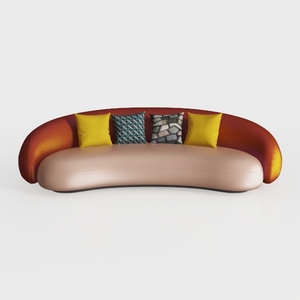
Modern Two Tone Fabric Curved Sofa With Decorative Throw Pillows 3D Model
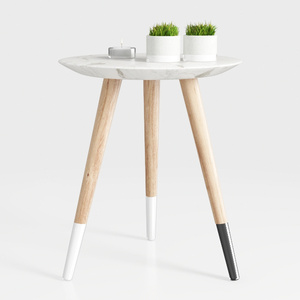
Modern Marble Top Solid Wood Legs Side End Table 3D Model
Homestyler is your go-to online home design platform! With its easy-to-use design tool, stunning 3D renderings, and a wealth of inspiring design projects and DIY video tutorials, transforming your living space has never been easier. Let your creativity shine with Homestyler!
Design Now for FREE
































