

Armless sofas address a crucial challenge in small living spaces by offering real seating while optimizing circulation and visual openness. In my design projects, they often act as the bridge between a cluttered room and one that feels spacious. Without the presence of bulky arms, these sofas reduce visual barriers, simplify passageways, and enhance corner arrangements—an essential aspect for studios or narrow living areas where maximizing every inch is vital.
The concept of scale extends beyond aesthetics; it can be measured. Research by Steelcase correlates cramped, cluttered environments with a feeling of diminished control and comfort, a phenomenon applicable to both home and workplace settings. WELL v2 emphasizes essential human factors: ensuring unobstructed circulation and accessible seating promotes cognitive clarity by minimizing minor friction during daily activities. In compact spaces, maintaining a minimum clear walking path of 30–36 inches to exits and frequently used areas is essential; armless sofas contribute significantly to achieving this ratio.
Colors and perceptions play a significant role in compact rooms. According to Verywell Mind, lighter shades (like soft whites, pale grays, and muted greens) create an illusion of expanded space, while deeper, warmer hues tend to draw attention. In my design practice, I often position an armless sofa in a light neutral alongside a medium-tone rug to create a subtle boundary without compressing the area. Additionally, keeping the sofa's height below 34 inches helps maintain sightlines to windows, which provide the best sense of depth.
Exploring the Benefits of Armless Sofas
An armless sofa presents a more streamlined silhouette and reduced visual weight, helping narrow rooms and small studios feel more expansive, particularly when circulation is tight on one side. This design allows two individuals to sit comfortably while enabling a pedestal side table to fit closer without obstruction. From an ergonomic standpoint, a firm seat paired with a supportive back and a seat height of 17–18 inches promotes correct posture; adding a bolster can simulate arm support when needed.
Proportional Balance in Design
For small areas, maintaining balanced spatial ratios is essential. An ideal sofa depth of 32–36 inches and a length of 60–78 inches in micro living rooms ensures that circulation is not compromised. It's crucial to allow for a spacious negative area—open floor space that comprises at least 25% of the total room footprint—to prevent a crowded appearance. Coffee tables should be around 16–18 inches in height with a clearance of 14–18 inches from the front of the seat to the edge of the table for adequate legroom. These guidelines consistently help prevent awkward pinch points in my compact designs.
Effective Layout Techniques for Limited Spaces
Armless sofas are particularly versatile in L-shaped micro layouts and wall-mounted setups. Position the sofa perpendicular to the longest wall whenever feasible to create a shallow channel that aids circulation. In rooms under 9 feet in width, keep the sofa a few inches away from the wall to establish a shadow line, rather than a bulky gap. For modular armless pieces, consider an asymmetrical arrangement—combining two armless chairs and one chaise can effectively anchor a corner while maintaining clear passageways. For the best room arrangement options, utilizing a layout tool can help visualize clearances and sightlines before making any final decisions.
Light, Viewlines, and Comfort Levels
Appropriate lighting amplifies the perception of spaciousness. Balancing vertical luminance is key—steering clear of a solitary overhead glare that flattens the space. Following IES recommendations for layered lighting in living areas is advisable: incorporate ambient light (around 10–20 foot-candles), provide task lighting at reading seats (20–30 foot-candles), and add accent lighting to illuminate walls or art. A low-profile floor lamp positioned behind the armless sofa can enhance the visual appeal by lifting its profile and freeing up end-table space.
Fabric Choices and Color Psychology
Opt for light-stable materials in neutral colors to keep the visual space expansive. For those seeking contrast, it’s better to focus it on movable elements—like cushions, throws, or a stylish side chair—rather than the sofa base itself. Cooler neutrals appear to recede, while warm mid-tones push forward. In sun-drenched areas, it’s wise to select solution-dyed acrylics or performance weaves that resist fading. Tightly woven fabrics with smaller textures contribute to a cleaner look in compact spaces, as heavy textures can overly dominate unless the sofa's design is quite slim.
Managing Acoustics and Softness
In smaller rooms, sound reflections become more pronounced. A thick area rug positioned beneath the armless sofa diminishes noise and enhances comfort. If the sofa faces a television wall, consider installing a fabric-wrapped panel or hanging drapery opposite the screen to mitigate brightness and control sound. Soft-edged designs—such as rounded corners and chamfered bases—help reduce harsh highlights, making the furniture appear less imposing than it is.
Ergonomics: Support Without Bulk
Even without arms, there is no compromise in support. A seat depth of 20–22 inches ensures proper posture for conversations, and cylindrical bolsters can be placed on both ends for resting elbows. For relaxation, consider a chaise module or an ottoman with a height of 18 inches allowing for leg comfort without moving the coffee table too far away. Maintaining lumbar support with an 18–20 inch square pillow is advised. In multifunctional spaces, opt for firmer foam so that it remains supportive during work activities.
Comparing Modular and Fixed Armless Sofas
Modular designs allow for flexibility as room needs evolve—whether entertaining guests, enjoying movie nights, or working from home. Fixed armless sofas generally boast a cleaner look and lower cost but offer limited rearrangement options. In rental apartments, modular armless configurations in 24–28 inch widths are preferred since they can easily navigate narrow doorways and staircases and then be assembled in an optimal layout. Select modules with concealed connectors and uniform seat heights to maintain comfort.
Storage and Multi-functional Solutions
A lift-top coffee table serves as a functional stand-in for an armrest, ideal for snacks or laptops, while a narrow console behind the sofa provides extra surface space without constricting room flow. Nesting side tables can be easily moved in and out as necessary, but it's wise to avoid heavy bases that disrupt circulation. If your sofa needs to function in multiple ways, choose a sleeper sofa with a tri-fold mechanism and memory foam padding to keep the seat cushions thin and the sightlines unobstructed when in use.
Choosing Sustainable Materials
Focus on durable, easy-to-clean fabrics to enhance longevity in highly utilized small areas. Seek out removable covers and reversible cushions whenever possible. Sourcing wood frames from certified origins and using high-resilience foam can minimize the need for replacements over time. In brightly lit apartments, fabrics with high lightfastness ratings can prevent premature fading. Neutral color schemes will ensure versatility through different moving periods and reconfigurations.
Visual Harmony: Rugs, Tables, and Art Displays
Centre the armless sofa using a rug that extends 6–12 inches beyond its edges to solidify the arrangement. Balance the visual weight with a sleeker coffee table—transparent bases, glass tops, or elongated ovals maintain a more open feel. In small rooms, it’s advisable to hang artwork slightly lower (at approximately 56–58 inches) to enhance grouping and avoid a top-heavy appearance. For ceilings below 8 feet, vertical art pairs can draw the eye up without adding bulk.
Common Pitfalls to Avoid
Oversized chaise sections can obstruct circulation in tight areas; consider splitting them or positioning them in corners. The presence of thick arms on neighboring chairs contradicts the armless intent—select armless accent chairs instead. Steer clear of deep, plush cushions that push the coffee table too far forward, and avoid tall sideboards behind the sofa if they obstruct window sills.
Insights and Design Guidelines
For those interested in further exploring human factors, WELL v2 provides valuable insights regarding movement and comfort in enclosed spaces, while Steelcase's findings illustrate how spatial clarity impacts perceived control and contentment. Both emphasize the importance of unobstructed circulation and thoughtful seat design in enhancing the livability of compact rooms.
Frequently Asked Questions
Indeed. By removing the arms, the sofa's visual footprint decreases and circulation enhances significantly. In confined spaces, this often allows for a maintained walking path of 30–36 inches that might otherwise be hindered by the bulk of arms.
Aim for a depth of 32–36 inches and a length of 60–78 inches. Seat height should be around 17–18 inches for optimal comfort and a knee angle close to 90 degrees.
Incorporate cylindrical bolsters or a supportive cushion on each end. A nesting side table measuring 18–22 inches can function as a temporary armrest for drinks and devices.
Utilize light neutrals with tight weaves, matte finishes, and subtle textures. Avoid bulky bouclé unless the sofa shape is particularly slim.
Certainly. Positioning the chaise in a corner can effectively anchor the arrangement while leaving the longer edge clear for circulation.
Layer ambient lighting at approximately 10–20 foot-candles and introduce task lighting at reading locations at 20–30 foot-candles. A floor lamp behind the armless sofa subtly elevates the silhouette without infringing on table space.
Ensure at least 25% of the floor area remains open, utilize a slim coffee table, and select storage solutions that stay below window height. Concentrate decor within a single visually appealing cluster surrounding the seating area.
Typically, yes. Modular units (24–28 inch segments) easily navigate stairs and narrow passages, allowing for reconfiguration as the room's requirements change.
Select a rug that measures 6–12 inches beyond the armless sofa's edges. This helps stabilize the overall composition while ensuring circulation remains unimpeded.
Pair with an ottoman or chaise for added leg support, opt for mid-firm cushions, and incorporate a lumbar pillow. This arrangement fosters varied and comfortable postures.

Minimalist Two Tone Fabric Sectional Sofa 3D Model
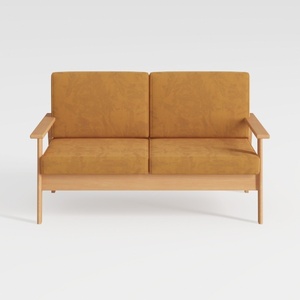
Modern Solid Wood Fabric Loveseat 3D Model

Minimalist Solid Wood Fabric Loveseat 3D Model
If you're looking to transform your space effortlessly, try Homestyler! This online platform offers a user-friendly design tool, stunning 3D renderings, engaging design projects, and helpful video tutorials. It's the perfect resource to unleash your creativity and bring your home design visions to reality!
Design Now for FREE
































