

The charm of a wooden swing brings a gentle rhythm to any living room—it serves as both a piece of furniture and a delightful experience. When designed thoughtfully, the swing becomes a sensory centerpiece that enhances everyday activities, from quiet reading sessions to playful interludes. Additionally, beyond its visual appeal, the swing should harmonize with structural elements, ergonomic considerations, natural light, and room flow, ensuring safety and comfort for all users.
Comfort and safety hinge on specific measurements. For optimal seating ergonomics, a height of 16–18 inches for the seat and a backrest angled at 100–110 degrees are generally supportive of a neutral posture. This aligns with the insights from Herman Miller's research on seating comfort. Adequate ambient light levels of 200–300 lux in living areas are also recommended, promoting comfort as per the IES lighting guidelines. When placing swings near windows, it’s important to minimize direct glare and reflections to enhance user experience. The WELL Building Standard advocates for visual comfort through proper lighting, a principle applicable in home environments as well.
The positioning of the swing plays a crucial role in influencing user behavior. Research from Steelcase suggests that well-designed microzones, which encourage movement and choice, can significantly enhance satisfaction and well-being in a home setting. A swing introduces a dynamic microzone, allowing for refreshing breaks while remaining connected to family activities. Ensure there is 24–36 inches of clearance around the swing for safe swinging arcs and unobstructed movement. Before finalizing installation, utilizing a layout simulation tool like Homestyler can help visualize how the swing integrates with furniture such as coffee tables and sofas.
Creating the Right Support Structure
The installation of a wooden swing requires a secure anchoring method. It's essential to locate ceiling joists or beams capable of supporting at least 2–3 times the expected load, considering dynamic movements. For single-seat wooden swings, utilizing a conservative working load of around 300–400 lbs offers a protective safety margin. Use a stud finder for locating joists, verify placement with pilot holes, and secure the swing with appropriately rated eye bolts, washers, and lock nuts. In older homes, installing a hidden steel spreader plate inside a beam cover can help evenly distribute weight and alleviate stress points.
Selection of Rope, Chain, and Hardware
The choice of materials greatly influences both the aesthetics and functionality of the swing. Marine-grade rope, made from polyester or double-braided nylon, is particularly resistant to UV damage and moisture while contributing a softer feel to the décor. Alternatively, galvanized or stainless steel chains impart a more industrial look and are easier to inspect for wear. Implementing swivel connectors helps minimize twisting and noise, while rubber isolation bushings can reduce vibrations where metal meets wood. Always ensure that all hardware components include manufacturer-specified load ratings for safety.
Wood Types and Finishing Options
The choice of wood tells a compelling story. Furniture-grade woods like oak and ash offer durability and pronounced grain patterns, whereas teak and iroko excel in humid environments, making them ideal for spaces near windows and plants. For indoor settings, a hardwax oil finish retains the wood's tactile quality and permits spot repairs, while low-VOC finishes promote better indoor air quality. Rounded front edges can enhance comfort by reducing pressure under the thighs, and a slight concave shape to the seat enhances usability without bulky contours. Cushions, if desired, should feature removable, zippered covers filled with dense foam or natural latex materials, paired with textured fabrics to minimize slippage.
Light, Color, and Aesthetic Peace
Wooden swings beautifully complement layered lighting arrangements. Aim for a soft ambient light foundation of 200–300 lux, adding a warm accent (2700–3000K) close to the swing while ensuring glare-free visibility. Color psychology indicates that warm neutrals and muted greens can foster relaxation, while brighter tones provide an energy boost; discussions from Verywell Mind illustrate the calming effects of blue and green hues. In cooler-toned living spaces, a honey-oak swing can create a pleasing contrast. Incorporating a small wall washer or floor uplight can cast gentle highlights on the wood grain, making it a striking feature during evening hours.
Acoustic Considerations
A swing introduces subtle sounds, like rope friction and creaks at attachment points. To mitigate these noises, place felt washers between metal and wood, and consider leather sleeves over attachment points. Adding a soft rug beneath the swing can help absorb impacts and minimize sound disturbances. If the swing is positioned near a television, surrounding it with absorbent materials—such as textiles, shelves full of books, or strategically placed plants—can help dampen audio reflections, ensuring a clearer dialogue in your living space.
Ergonomics and Human-centric Design
A seat width of 22–24 inches typically offers enough personal space without being overly large. Armrest design plays a role in usability: open sides facilitate easier access, whereas lower arms (6–8 inches above the seat) can assist during reading. The swing’s suspension height should align the seat's top with the sofa to maintain consistent eye levels. For children, implement safety measures, including shorter rope lengths and strict rules for seated use only.
Spatial Relationships and Flow
Proportions matter to prevent a swing from overpowering the visual space. In medium-sized living rooms (160–240 sq ft), a single-seat swing appears well-balanced if it occupies no more than one-third of the sofa's volume. Position the swing to face conversation areas, steering clear of pathways; diagonal arrangements can create attractive visual depth while maintaining open routes. If testing spatial arrangements, consider using a room layout tool like Homestyler to visualize impacts before installation.
Varieties of Styles: From Rustic to Modern
- Scandinavian: characterized by pale ash, woven rope, minimal hardware, often paired with linen cushions.
- Rustic: utilizing reclaimed oak and iron chains with visible bolting—grounded and textural in style.
- Mid-century: featuring teak with brass accents and sharp, tight corners.
- Contemporary: showcasing dark-stained walnut with slim stainless steel cables and unobtrusive anchors.
Effortlessly merge the swing with existing furniture by repeating one material, be it wood tones or metal finishes, across different pieces to establish cohesion in design.
Safety Measures and Ongoing Maintenance
Regular inspections every 6 to 12 months are crucial: check fasteners, look for wear in the rope, and ensure hardware is tight. Use a soft cloth to wipe the wood clean and re-oil it annually for upkeep. If residing in a humid area, a small dehumidifier can help maintain stability in joints. Educate guests on how to sit gently and halt the swing's movement, fostering a culture of safety.
Strategies for Small Spaces
For compact living arrangements, a slender swing with a vertical back fits nicely against window bays. Make sure to allow approximately 24 inches of clearance on either side for safety while utilizing ceiling anchors closer together to shorten the swinging arc. Consider a foldable cushion or a swing that can be removed easily with quick-link connectors to reclaim more space during gatherings.
Reliable Installation Procedures
1) Use a stud finder to locate joists and confirm with pilot holes. 2) Space anchors at least 24 inches apart to minimize swinging motions. 3) Secure with through-bolting, using washers, lock nuts, and appropriately rated eye bolts. 4) Include swivels and quick links rated beyond the expected loads. 5) Ensure the seat is leveled with a carpenter's level and mark knots for future maintenance checks. 6) Conduct gradual tests: sit, gently swing, then incrementally increase movement while listening for any creaks or noises.
Frequently Asked Questions
Q1: What is the optimal height for hanging a living room wooden swing?
A1: Strive for a seat height of 16–18 inches from the floor, matching standard lounge seating preferences, while maintaining 24–36 inches of clearance in the front and back for a comfortable swinging motion.
Q2: Which mounting hardware is the safest choice?
A2: Utilize through-bolted, rated eye bolts anchored into structural beams or joists, complemented by washers and lock nuts. Swivels can be added to reduce torsional stress, and always check load ratings—never rely solely on decorative components.
Q3: Should I choose rope or chain for indoor use?
A3: Marine-grade rope provides a cozy feel and quiet operation, while stainless steel chains offer durability and ease of inspection. For a quieter environment, consider using rope with felt cushions at contact areas.
Q4: How can I manage glare and lighting around the swing?
A4: Aim to sustain around 200–300 lux of ambient light and warm accents (2700–3000K). Ensure that lighting fixtures are positioned outside the user’s direct line of sight and avoid putting the swing in direct sunlight; wall washers can gently highlight the wood's texture.
Q5: What is the best wood finish for durability?
A5: Low-VOC hardwax oil preserves the wood's texture and facilitates easy repairs. For environments with higher humidity, teak or iroko oils serve effectively; remember to reapply annually to maintain their protective properties.
Q6: How can I ensure the swing doesn't visually dominate a small living room?
A6: Select a narrow profile and confine the width to around 22–24 inches, aligning it diagonally to enhance visual depth. Choose lighter wood to minimize visual impact and ensure harmony with other metal finishes in the space.
Q7: What precautions should I take for children's usage?
A7: Limit rope length for smaller children to decrease swinging arcs, enforce a strict rule for seated use only, and inspect the swing hardware more frequently. Place the swing away from sharp edges and ensure consistent floor clearance.
Q8: How often should I perform installation inspections?
A8: It's advisable to conduct checks every 6–12 months. Look for any signs of rope fraying, chain wear, loose fasteners, and any cracks in the ceiling. Re-oil wood surfaces yearly and clean all hardware to prevent rust.
Q9: Is it acceptable to place a swing near a television?
A9: Yes, just balance acoustics with textiles, curtains, and bookshelves to mitigate reflections. Position the swing at an angle to the television screen to avoid obstructing sight lines.
Q10: How can I easily test the layout before installation?
A10: Mark the footprint and swinging arc on the floor with tape, and utilize an interior layout tool like Homestyler to simulate movement and traffic flow, ensuring that furniture like coffee tables and chairs remain unobstructed.
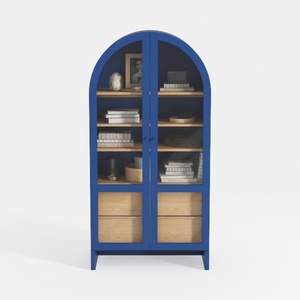
Modern Blue Frame Solid Wood Arched Glass Display Cabinet 3D Model

Minimalist Solid Wood Linen Fabric Three Seat Sofa 3D Model
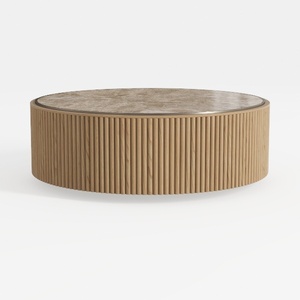
Modern Fluted Solid Wood Marble Top Round Coffee Table 3D Model
Homestyler is an outstanding online home design platform that empowers you to create stunning interiors effortlessly. With its user-friendly design tool, impressive 3D rendering features, inspiring design projects, and helpful DIY video tutorials, bringing your home vision to life has never been easier!
Progetta ora GRATIS
































