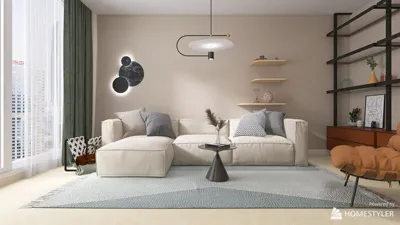


As lifestyles evolve, the need for adaptable living spaces becomes increasingly clear. Today's challenges—such as clutter, disrupted routines, and distracting sightlines—undermine the comfort we seek. According to the NAHB, open yet organized layouts remain a key priority for buyers, highlighting the importance of treating space as a cohesive system. In this context, the Kochar Panchsheel 3 BHK floor plan serves as both a solution and a model, exemplifying how residential spaces can be optimized for future lifestyle demands—my clients often express that the future feels like it's arriving sooner than expected. This living space configuration acts as a blank canvas, reflecting the code of future living in real time.
Gallery-Core with Split Private Wing
Design Logic: The central gallery seamlessly connects the living and dining areas to the split bedroom wing, aligning perfectly with the modular privacy trend for hybrid work-life. This design effectively balances openness with necessary privacy thresholds.
Flow: The layout guides you from the entrance through the gallery spine to the living hub, leading to the bedrooms which are arranged in two distinct zones; the kitchen is conveniently located near the hub to reduce unnecessary backtracking, much like an optimized algorithm.
Sightlines: The long views from the foyer through to the balcony provide a visual connection, complemented by cutaways to the individual rooms. The design prioritizes social interactions first, while maintaining private spaces second, thereby reducing cognitive overload.
Storage: Integrated built-ins along the gallery act as effective storage solutions; a pantry positioned near the kitchen and linen storage near bathrooms help optimize daily functionality.
Furniture Fit: The sofa design respects the circulation space, maintaining a flow of 900–1000 mm; the dining area ensures a clearance of 1100 mm, and the bedrooms can accommodate queen or king beds without compromising movement.
Verdict: Over the next five years, this split-wing layout is designed to support hybrid lifestyles, maintaining high social connectivity while preserving the autonomy of personal spaces.
save pin
Corner Living Hub with Dual Aspect Bedrooms
Design Logic: The corner living area is designed to harness daylight as a power source, while dual aspect bedrooms cater to circadian health and facilitate work-from-home flexibility.
Flow: The living hub functions as a router leading to the balcony as an expansion point, while the bedrooms are positioned like addressed packets in a network; the kitchen connects tightly for efficient workflows.
Sightlines: The diagonal framing from the sofa to the corner windows enriches the visual experience, while the bedrooms offer layered views that balance privacy and reveal hints of expansive horizons.
Storage: Wardrobes are cleverly recessed to keep sightlines clear; overhead storage in the kitchen acts as quick access for essentials, alongside deep pull-out drawers for larger items like appliances and bulk supplies.
Furniture Fit: The sectional sofa occupies a 3.2–3.6 m bay while workstations are compact at 600–700 mm depth; beds are positioned strategically to maintain egress lanes of 800 mm for ease of movement.
Verdict: The design of dual aspect rooms operates like a resilient code—adaptable to varying work shifts, children’s routines, and guest visits without any lapses in functionality.
save pin
Suite-Style Primary with Shared Flex Room
Design Logic: The primary suite consolidates sleeping, wardrobe, and bath facilities into a single cohesive unit, while the third bedroom serves as a flexible space that can adjust its function—whether as a studio, library, or nursery—addressing future needs.
Flow: The private loop leads from the bedroom to the walk-in closet and then to the bath, while the shared loop connects living spaces to the flex room and balcony, with overlapping paths that never conflict.
Sightlines: The design features controlled openings from the suite to the corridor; the flex room creates an inviting interface, offering semi-transparency while ensuring privacy is maintained.
Storage: The walk-in closet serves as the primary storage area with additional cabinetry in the suite for frequently used items; the flex room includes adjustable shelving to adapt from toy storage to archival use effortlessly.
Furniture Fit: The primary bedroom accommodates a king-size bed along with 600 mm side tables; the flex space features a 1400 mm desk while respecting 900 mm of circulation space, and the dining area comfortably hosts six without hindering movement.
Verdict: This suite-plus-flex configuration is designed to anticipate evolving roles—such as care, work, and relaxation—ensuring the home remains stable as lifestyle needs evolve.
save pin
Final Takeaway
The Kochar Panchsheel 3 BHK floor plan exemplifies how a three-bedroom design can function as a responsive living interface rather than a mere static diagram. With dual-aspect rooms, a purposeful gallery spine, and thoughtfully designed storage solutions, this layout encapsulates the essence of living code. My experience suggests that the most innovative homes of the future will prioritize intentionality over size, and I firmly believe this plan embodies that philosophy remarkably well, echoing its importance through the lens of tools like Homestyler.
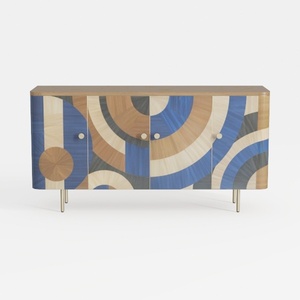
Art Deco Geometric Pattern Solid Wood Sideboard with Metal Legs 3D Model
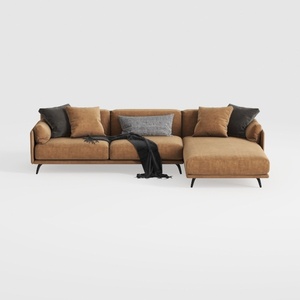

Coaster Home Furnishings - Camacho - Upholstered C
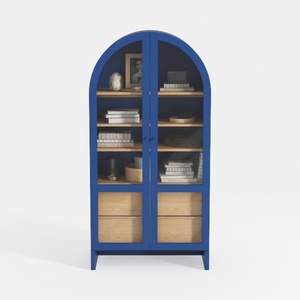
Arched Kitchen Pantry Cabinet with Glass Doors
Looking to design your dream home? Homestyler is your go-to online platform! With its user-friendly design tool, stunning 3D renderings, inspiring design projects, and helpful video tutorials, you'll effortlessly turn your vision into reality. Start creating today!
今すぐ无料でデザイン
































