

Having orchestrated countless events, ranging from intimate award ceremonies to grand galas accommodating 800 attendees, I've learned that the Red Rose Palace Function Hall possesses a solid foundation to create an unforgettable guest experience when designed with purpose. This comprehensive guide compiles valuable insights gained from practical experience, covering critical aspects such as capacity planning, visibility, acoustics, lighting, workflow, and the choice of materials that enhance both comfort and overall functionality.
Event design intricately blends logistics and psychological elements. Factors like spatial density, sightline arrangements, and sound control significantly influence guests' emotions and behaviors. A study by Steelcase reveals that environments designed with human needs in mind can boost comfort and satisfaction levels. In professional settings, layouts that consider human-centered design principles enhance perceived performance and wellbeing, which similarly applies to event planning where managing crowd flow and sensory experiences is essential. WELL v2 provides numerical standards for comfort; it suggests that background noise levels in communal areas should remain around NC 35–40, while lighting quality benchmarks advise glare reduction and balanced illumination to minimize fatigue. These guidelines shape my decisions regarding audio zoning, drapery, and lighting fixtures within a spacious function hall.
The lighting approach serves more than just aesthetic purposes. IES standards highlight the importance of vertical illumination for facial recognition and comfort; for banquet-style seating, aim for 200–300 lux on tables, with 30–50 lux of ambient light on the walls to maintain spatial depth. A color temperature within the 2700–3200K range creates a warm and inviting atmosphere for evening gatherings. Consistent accent light sources are crucial to prevent color inconsistencies. A room layout tool can greatly assist in visualizing arrangements, aisles, and stage sightlines efficiently: room layout tool.
Capacity & Seating Strategy
In the main hall of Red Rose Palace, the seating capacity is determined by factors such as table size, aisle width, and stage dimensions. A 60-inch round table comfortably accommodates eight guests, while a 72-inch round can seat 10 to 12 but may pose challenges for speech clarity and service reach. It’s important to maintain a distance of 60 to 72 inches between table edges to facilitate service and ensure ADA compliance. For theater-style setups, aim for 8 to 10 square feet per person; for banquet configurations, target 12 to 14 square feet per person. These calculations ensure unobstructed pathways and safe egress. I recommend avoiding more than 18 rows between the stage and the back of the hall without using elevated risers or additional screens to maintain clear sightlines, especially for keynote presentations.
Stage, Sightlines, and AV Planning
The height of the stage should be proportional to the viewing distance; for an 80 to 100-foot distance, a rise of 24 to 30 inches ensures clear visibility. It's essential to maintain a minimum buffer of 6 to 8 feet behind the stage for backstage operations. When positioning screens, a useful guideline is to set the screen height to roughly one-sixth of the viewing distance; for a 90-foot distance, a 15-foot high screen ensures easy readability. Additionally, provide two confidence monitors angled at 30 to 45 degrees for presenters and arrange microphone coverage in zones to prevent feedback from reflective surfaces.
Acoustics and Noise Control
In large venues, noise levels can escalate quickly. Achieving levels of NC 35 to 40 in audience areas makes for comfortable speech. Incorporating soft finishes—such as carpet tiles with underlayment, upholstered panels, and full-height drapes—can help absorb echo. Using decorative baffles or greenery to disrupt parallel walls can also be beneficial. Installing ceiling clouds above high-density seating areas can help keep the RT60 time between 0.9 and 1.2 seconds for optimal speech clarity. Additionally, place subwoofers away from the centerline to avoid standing waves and optimize delay stacks to synchronize sound delivery throughout the room.
Lighting Layers That Serve the Program
Create four lighting layers: ambient light, task lighting for tables, accent lighting for decorative elements, and dynamic cues for transitions (such as color changes). Strive for a Color Rendering Index (CRI) of 90 or more on faces to ensure accurate skin tone representation. Avoid uplighting that can cause glare; instead, use barn doors and snoots on fixtures aimed at reflective areas. Incorporating dimmable zones allows for a reduction of ambient light by 20 to 30% during speeches without overwhelming the screen presentation. Consistent color temperatures across different lighting zones are vital for maintaining the photographer's white balance.
Catering Workflow and Back-of-House Ergonomics
The success of catering hinges on effective lane organization. Establish primary lanes of 72 inches and secondary lanes of 48 inches, ensuring crossovers every 30 to 40 feet to facilitate efficient movement. Position staging pantries near entry points to minimize the distance trays need to travel, reducing the chances of spillage. Ergonomics are important: plates should weigh no more than 3.5 pounds each for continuous service, and anti-fatigue mats should be used at plating stations. For events with rapid turnover, I use an interior layout planner to create a complete floor plan and simulate service timings and access: interior layout planner.
Wayfinding, Accessibility, and Safety
Clear signage at key decision points—entry, restrooms, exits—helps avoid congestion. Always ensure aisle widths comply with ADA regulations and that ramps have slopes of 1:12 or less with necessary handrails. Use contrasting floor tones to define pathways; warm visual cues can guide guests subtly. Position the coat check area near the entrance but away from the primary flow of traffic. For egress, ensure that sightlines to exit signage are unobstructed, and avoid covering illuminated markers with drapes.
Material Selection and Sustainability
Opt for durable, low-VOC materials to enhance indoor air quality; WELL v2 promotes choices that reduce harmful emissions. High-performance carpet tiles not only absorb sound but can withstand foot traffic, while inherently flame-resistant drapery eliminates the need for heavy chemical treatments. Utilizing reusable scenic elements and modular staging can significantly cut down waste across multiple events. Additionally, opting for locally sourced floral arrangements minimizes transportation impact while ensuring a fresh, seasonal palette.
Color Psychology for Mood and Behavior
The use of warm colors—like amber and soft coral—encourages sociability, while deeper hues such as blues and greens provide calmness, making them ideal for events like fundraising galas. For impactful moments, such as award presentations or final dances, introduce vivid color accents sparingly to prevent visual fatigue. Utilize desaturated color palettes for extensive areas and reserve bold hues for focal points, such as the stage backdrop and entrance arch, to direct guests' attention effectively.
Layouts for Different Event Types
For galas, arrange tables in circular patterns focused towards the stage, ensuring 6 to 8 feet of aisles for silent auctions. In conferences, stagger theater seating with a mid-room tech pit and dual aisle access to enhance entry. For weddings, position the sweetheart table or mandap for symmetrical sightlines with the dance floor centered to open up the space. When making any adjustments to layout, utilizing a room design visualization tool can greatly streamline the process and facilitate stakeholder alignment: room design visualization tool.
Budget and ROI Considerations
Prioritize investments in acoustics and lighting, as these two components have the most significant influence on guest satisfaction and the quality of photos and videos. Employing movable scenic backdrops can create visual impact without incurring the higher costs of abundant floral arrangements. Moreover, renting fixtures with a higher CRI is often more cost-effective than investing in post-event color corrections. Ensure to set aside 8 to 12% of your budget for unforeseen seating adjustments and AV enhancements.
Pre-Event Checklist
- Verify seating counts and ADA seating arrangements.
- Test audio gain structure; walk through the venue to identify hot spots and areas with poor sound.
- Conduct lighting tests against scheduled programming; take photos of test scenes to ensure skin tone accuracy.
- Validate service lanes with a timed test from pantry to the furthest table.
- Ensure signage is placed at guest height and confirm restroom pathways.
- Practice entrances, reveals, and transitions with the MC.
FAQ
Q1: What is the maximum number of guests that Red Rose Palace can host for a banquet?
A1: With 60-inch round tables seating 8 and allocating 12 to 14 sq ft per guest, the 10,000 sq ft space can accommodate approximately 700 to 830 attendees while allowing for service lanes and safe egress.
Q2: What lighting levels are ideal for dinner and speeches?
A2: Target 200 to 300 lux on dining tables, with ambient light levels at 30 to 50 lux on vertical surfaces, and accent lighting should have a CRI of 90 or higher for facial illumination. Dimming the ambient light by 20 to 30% during speeches helps maintain screen visibility.
Q3: How can I minimize noise during a gala with 600 guests?
A3: To achieve sound control, incorporate carpet tiles with underlayment, utilize draping on parallel walls, install ceiling clouds, and tune audio systems to reach approximately NC 35 to 40 in audience zones. Positioning subwoofers away from the centerline can help avoid resonance issues.
Q4: What is the appropriate height for a stage to ensure visibility for keynotes?
A4: For a viewing distance of 80 to 100 feet, a stage elevation of 24 to 30 inches is ideal. Consider using satellite screens if seating rows exceed 18.
Q5: Which table size is preferable—60 or 72 inches?
A5: While 60-inch rounds comfortably seat 8 and encourage intimate conversation, 72-inch rounds can accommodate 10 to 12 guests but might increase reach distance and ambient noise. They are more suitable for larger formal events with significant audio-visual requirements.
Q6: How should service lanes be planned?
A6: Maintain primary service lanes at 72 inches and secondary ones at 48 inches, with crossovers positioned every 30 to 40 feet. Ensure staging pantries are located near entry points to facilitate easy access and prevent crowding.
Q7: What color palette would work best for a fundraising gala compared to a wedding?
A7: For fundraising events, choose calming, trust-evoking hues—such as deep blues and greens with warm accents. Conversely, weddings benefit from warm neutrals and soft corals, preferably with bright accents used sparingly to create moments of excitement.
Q8: What measures ensure accessible seating and routes?
A8: Reserve ADA seating close to aisles, maintaining 60 to 72 inches of clearance. Ensure ramps comply with a slope of 1:12 or less, and high-contrast visuals for wayfinding at decision points are essential.
Q9: Which sustainable materials should I consider for large-scale events?
A9: Select low-VOC materials, flame-resistant drapery, modular scenic elements, and locally sourced floral arrangements. These choices help lower emissions, minimize waste, and enhance overall comfort.
Q10: Can layout software facilitate stakeholder approval processes?
A10: Absolutely. A layout simulation tool allows for swift adjustments, clear sightline assessments, and easily shareable visual representations, expediting decision-making and minimizing last-minute changes on-site.
Q11: What percentage of the budget should I allocate for contingencies?
A11: It's prudent to reserve 8 to 12% of your overall budget for unexpected seating adjustments, audio-visual changes, or additional staging needs to ensure that last-minute requests don't adversely affect the event experience.
Q12: What is the recommended timeline for conducting a tech rehearsal?
A12: Conduct a full cue-to-cue rehearsal the day prior, and allocate 60 to 90 minutes for a line check before guests arrive. Walk through the space to verify sound distribution and glare-free visuals on screens.
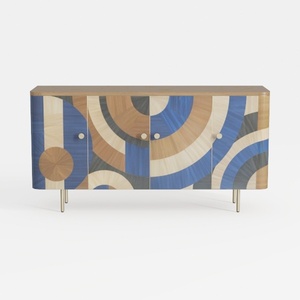
Art Deco Geometric Pattern Solid Wood Sideboard with Metal Legs 3D Model
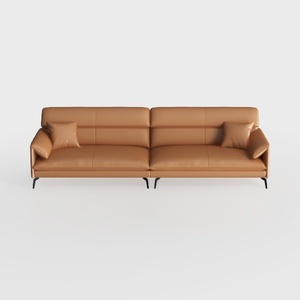
Modern Minimalist Tan Leather Living Room Sofa 3D Model

Minimalist Fluted Solid Wood 6 Drawer Dresser 3D Model
Looking to transform your home effortlessly? Homestyler is your go-to online design platform! With its user-friendly design tool, stunning 3D renderings, and a wealth of DIY video tutorials, you can bring your interior design dreams to life—even if you're a beginner!
Zaprojektuj teraz za darmo
































