

LED lights have established themselves as essential features in contemporary residences, offices, and public areas, primarily due to their energy-saving capabilities, durability, and adaptability. Yet, there are ongoing debates regarding the potential harm of LED lighting to our eyesight, particularly among consumers and homeowners. In this article, we will explore the scientific facts related to LED lighting and its possible implications for eye health.
Understanding LED Technology and the Blue Light Concern
Light Emitting Diodes (LEDs) generate illumination by running electricity through a semiconductor. A significant amount of blue light is emitted by most white LEDs, which has become a focal point in various studies on eye health, especially when considering prolonged exposure.
Possible Risks Associated with LED Lighting
Generally, short-term exposure to LED lighting is regarded as safe by health organizations. However, intense blue light, particularly from screens and inadequately shielded bulbs, has been linked to digital eye fatigue, often termed computer vision syndrome. Symptoms may include dryness in the eyes, headaches, and blurred vision. Extended exposure at close distances may lead to retinal stress, though further research is necessary for conclusive findings.
Expert Opinions on LED Lights
The American Academy of Ophthalmology has stated that current evidence does not support the notion that LED lighting causes permanent eye damage under typical daily usage. Furthermore, the World Health Organization advises moderation in use, particularly among children and the elderly, but does not deem LED lights an immediate health threat when utilized properly.
Safety Recommendations for LED Use
To reduce potential risks, consider the following precautions:
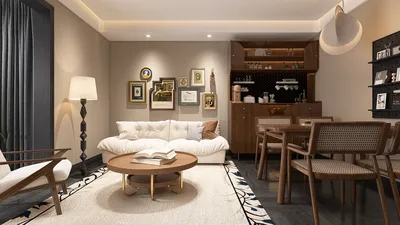
As a designer, I focus on both the quality of light and its effect on spaces. For optimal comfort and visual health, I recommend implementing layered lighting solutions and choosing LEDs with effective color rendering and diffusion that imitate natural light within your interior design. A well-thought-out lighting plan will not only safeguard your eyesight but also enhance the aesthetic quality of any environment, especially when using tools like Homestyler to visualize your designs.
Tip 1:
Integrating dimmers and smart lighting systems in your home can allow you to adjust the brightness of LED lights based on the activity and time of day. This flexibility not only improves ambiance but also minimizes unnecessary strain on the eyes.
Frequently Asked Questions
Q: Are all types of LED lights equally detrimental to eye health?
A: No, warmer-toned LEDs tend to emit less blue light and are less likely to cause eye strain than cooler or daylight options.
Q: Can LED desk lamps pose a risk to children’s eyes?
A: Using warm, softly diffused LED lamps at moderate brightness levels is considered safe for children. It’s important to prevent direct glare and avoid excessively bright lights.
Q: What exactly is “blue light,” and why is it a concern?
A: Blue light consists of high-energy visible light commonly produced by many LEDs and screens. While excessive exposure can lead to eye fatigue, normal usage is generally safe.
Q: Do blue light filters or special glasses offer real benefits?
A: Blue light filtering tools and glasses can potentially alleviate digital eye strain, but taking regular breaks is usually more effective for most individuals.
Q: Is it advisable to eliminate LED lighting from my home?
A: No, LED lights are safe for regular use. Focus on selecting high-quality, warm-tone LEDs and creating a thoughtful lighting arrangement for a healthier and aesthetically pleasing environment, possibly using Homestyler for design inspiration.
Homestyler's roots trace back to Autodesk, the global leader in design and engineering software. That heritage lives on in every feature we build. Today, with a community of more than 18 million users worldwide, Homestyler continues to make professional-quality interior design accessible to everyone — from first-time decorators to seasoned architects.

Natural Rattan Woven Pendant Lamps Minimalist Boho 3D Model

Minimalist Fluted Brown Ceramic Ceiling Lamp 3D Model
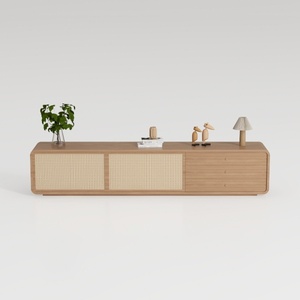
Minimalist Japandi Oak Rattan TV Cabinet 3D Model
Explore the world of home design with Homestyler! This user-friendly platform offers an intuitive online design tool, stunning 3D renderings, and a plethora of creative design projects. Plus, with DIY video tutorials, you can easily transform your home into your dream space—no expertise needed!
Design Now for FREE
































