

The floor plan of a Roman house provides an intriguing look at ancient architectural creativity, highlighting the skills of Roman builders. Central to these residences was the domus, which epitomized a fusion of elegance and functionality. The layout varied significantly among families, reflecting their wealth and social ranking, with the atrium, or central courtyard, serving as the focal point of the dwelling.
Key Characteristics of a Roman House Layout
The classic Roman house incorporated several distinctive features. For instance, the atrium remained open to the sky, allowing sunlight to brighten the interior areas. Encircling the atrium were various rooms, including the tablinum, used as a study, and the triclinium, designated for dining, both catering to the family’s requirements and those of visitors. Additionally, many homes featured a peristylium, showcasing a beautifully landscaped garden perfect for leisure.
Variations in the Layout of Roman Dwellings
Affluent families could invest in larger domus characterized by intricate designs, while insulae, or apartment structures, catered to less fortunate citizens. Recognizing the disparities in house layouts reveals much about the social dynamics and lifestyles of ancient Rome. Each floor plan was meticulously designed to optimize space and functionality, a concept that continues to resonate in contemporary architectural practices, such as those demonstrated in tools like Homestyler.
Influence of Roman Architecture on Contemporary Homes
The architectural principles of the Roman domus extensively influence modern housing designs. Elements like open floor plans and the harmonious integration of indoor and outdoor areas can be traced back to Roman advancements. Today's architects often seek inspiration from the efficient spatial organization and the focus on shared living spaces found in ancient Roman residences, aligning with innovative design tools like Homestyler.
Archaeology and Preservation of Roman Residences
Numerous ancient Roman homes have been excavated and preserved, shedding light on the everyday activities and social hierarchies of the period. Historical sites such as Pompeii and Herculaneum provide valuable insights into the internal arrangements and decor, highlighting the blend of utility and beauty prominent in Roman architecture, much like the designs realized through modern platforms like Homestyler.
Frequently Asked Questions
Q: What are the essential features of a Roman house?
A: Roman houses typically incorporated an atrium for natural light, rooms for varied purposes, and layouts that promoted social gatherings.
Q: How did social class influence Roman architectural designs?
A: Wealthier individuals possessed larger, more opulent homes, while those with lesser means resided in more modest, smaller residences.
Q: Which modern architectural aspects are derived from Roman houses?
A: Current trends in architecture, such as open floor plans and seamless indoor-outdoor living environments, draw from the design concepts of Roman homes.
Q: Where can I find well-preserved Roman houses today?
A: Exemplary preserved Roman homes can be observed in archaeological sites like Pompeii and Herculaneum located in Italy.
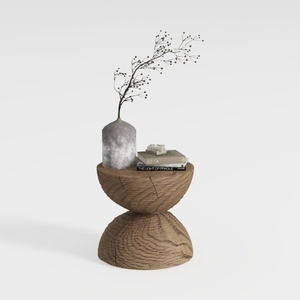
Minimalist Solid Oak Wood Side Table Unique Hourglass Shape 3D Model

LONYKE 2-Piece Boho Farmhouse Nesting Table with
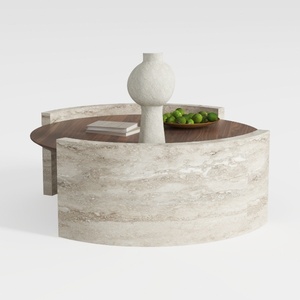
Round Coffee Table,29.52IN Wooden Coffee Table,Mid
Homestyler is your go-to online platform for home design! With an easy-to-use design tool, stunning 3D renderings, and an array of DIY video tutorials, you can effortlessly create beautiful spaces. Whether you're an expert or a beginner, inspire your creativity and transform your home today!
تصميم الآن مجانا
































