

I've strolled through the majestic Cloth Halls of Bruges, Ypres, and Leuven in Belgium countless times, and each visit offers a unique experience. The morning sunlight dances on the elaborate stone structures, and the echoes of market chatter resonate beneath the timber ceilings, creating a vibrant atmosphere that reflects the historical significance of these buildings as economic powerhouses. Cloth was more than just a traded item; it symbolized civic pride, contributed to the construction of grand belfries, and shaped the local identities that persist today. Explore your own designs with Homestyler to see how historical influences can inspire modern aesthetics.
When evaluated against contemporary standards for public interiors, these halls continue to excel. The daylight flooding their galleries reduces energy needs, while the spacious volumes enhance sound distribution. The WELL v2 framework emphasizes that access to natural light and visual comfort significantly contributes to occupant well-being. Its Light concept focuses on controlling glare and employing balanced circadian lighting strategies based on solid evidence. Additionally, the acoustic benefits of these high-ceilinged spaces align with current findings indicating that effective noise management boosts comfort and engagement in communal settings. Together, these enduring hall designs predate many principles now recognized in modern guidelines and workspace studies. For insights into human-centered lighting performance, delve into WELL v2 and discover spatial behavior patterns through Steelcase's research findings, possibly using tools like Homestyler for visualization.
The Evolution of the Cloth Hall Network
During the 13th to 15th centuries, the regions of Flanders and Brabant were at the forefront of European cloth trade. To maintain quality, impose taxes, and secure trade, cities constructed specialized market halls—part warehouse, part trading hub. The architectural design was critical for establishing trust: repetitive bays for standard stalls, protected loggias for weather shielding, and adjoining belfries to signify municipal authority. This fusion of commerce and governance is evident in the existing Cloth Halls of Belgium, where civic offices commonly sit above or adjacent to the market areas.
Architectural Essence: Form, Structure, and Light
Throughout Belgium, there exists a cohesive architectural logic with local variations:
Three Must-See Cloth Halls
Once among the largest commercial structures in Europe, the Ypres Cloth Hall stretches nearly 125 meters and is framed by a grand square, topped with a 70-meter belfry. After its destruction during World War I, it was meticulously rebuilt in the mid-20th century, showcasing the remarkable ability of skilled masonry and timberwork to restore a city's landmark. Its interior now accommodates the In Flanders Fields Museum, featuring a soaring nave that retains the clarity characteristic of a market hall: an expansive central area for circulation with side aisles dedicated to exhibitions—a classic design adapted for a contemporary purpose. Using platforms like Homestyler can help visualize such adaptations for new uses.
The hall in Bruges encircles a courtyard and features a prominent belfry that once housed city archives and lookout posts. You can ascend the 366 steps for a panoramic view of the city, revealing the medieval layout of canals, quays, and market squares all at once. The stone galleries showcase thoughtful management of window sizes: smaller openings on the lower level for climate control and security, and larger upper windows that flood the trading floor with daylight while shading the stalls below.
Although Leuven's spectacular Town Hall often draws attention, the historical presence of the cloth trade remains evident in its nearby guild-era buildings and market remnants. This area illustrates the urban fabric, demonstrating how clusters of trading structures weave together a walkable network of lanes, courtyards, and porches—a blueprint that continues to influence pedestrian-centric urban planning today.
Experiencing Space: Movement, Acoustics, and Comfort
From a designer's perspective, these halls offer lasting spatial strategies:
Planning Your Visit
I recommend pairing each hall visit with its adjacent civic square to witness the evolving light and the dynamics of crowds throughout the day. Early mornings provide soft lighting perfect for photography, while late afternoons showcase the architectural relief of façades. If your journey encompasses multiple cities, consider a straightforward itinerary—Bruges → Ypres → Leuven—to minimize rail transfer times and allow for comparing different market typologies in an orderly manner.
Photography Guidance and Viewing Tips
Honoring Heritage: Materials and Conservation
These enduring structures owe their longevity to meticulously selected materials. Lime-based mortars allow the masonry to breathe, timber roofs are resilient, and stones can be individually repaired. Modern renovations should emphasize reversibility and compatibility, incorporating breathable plasters, discreet service routing, and unobtrusive lighting that achieves current illumination levels without causing glare.
Layout Considerations for Contemporary Exhibitions
For those examining how historic halls can accommodate events, it's crucial to design circulation paths before introducing partitions. Maintain an open central nave for primary traffic, utilize side aisles for exhibits or seating clusters, and vary density to facilitate moments of pause. For quick scenario testing, a room layout tool can assist in visualizing traffic flows, entry lines, and stair accessibility with minimal effort, much like the features found in Homestyler.
Visitor Conduct and Accessibility
Seasonal Insights and Crowd Behavior
The shoulder seasons (spring and early autumn) offer the ideal combination of manageable crowds and delightful light. Weekday mornings tend to be quieter, while late afternoons may welcome groups of tourists. Weather fluctuations can enhance the visual experience—rain deepens the contrast of stone surfaces, while clear skies highlight intricate shadows cast by the architecture.
Design Insights for Today's Public Spaces
Frequently Asked Questions
Originally, these were municipal market edifices where cloth goods were examined, taxed, stored, and exchanged. Many also included guild rooms and local government offices, reflecting the strong connection between commerce and city administration.
The Ypres Cloth Hall ranks among the largest in Belgium and was reconstructed after World War I to its medieval dimensions. Its considerable length and integrated belfry illustrate the hall's ambitious design while serving the In Flanders Fields Museum effectively.
For optimal photographic opportunities, visit early in the morning to capture soft façades and peaceful squares; later in the afternoon for striking contrasts and shadowplay from towers. The interiors benefit from the midday light streaming through clerestory windows.
Be prepared for narrow spiral staircases with uneven steps. Wear sturdy shoes, keep your hands free, and pace yourself appropriately. Many locations provide step counts and rest areas along your ascent.
High ceilings assist in dissipating sound, but echoes may linger. Using temporary textiles, wooden seating, and subtle acoustic panels can enhance clarity for exhibitions and events.
Heritage lighting renovations often adhere to glare control and balanced illumination specifications in line with IES recommendations, integrating warm, dimmable layers that maintain the atmospheric integrity.
Using breathable lime mortars, compatible stone replacements, and repairable timber materials ensures sustainability. Any interventions should be reversible and aesthetically subtle to respect the original structure.
Certainly, but maintain the nave clear for primary circulation and designate side aisles for denser activities. Experiment with various seating arrangements and queue setups using an interior layout planner before finalizing designs.
Neutral base colors promote focus, while warm highlights increase the sense of approachability and encourage longer visitor engagement. Research on color psychology indicates that saturation and warmth can subtly influence mood and attention span.
Start your journey in Bruges, proceed to Ypres, and finish in Leuven. This route is efficient for rail travel and showcases different expressions of the cloth trade’s remarkable civic architecture.
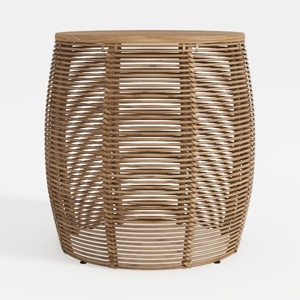

Boucle Fabric Solid Wood Base Modern Sofa 3D Model
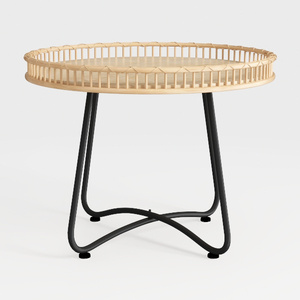
Minimalist Rattan Metal Round Side Table 3D Model
Homestyler is your ultimate online home design companion, ideal for all skill levels. With its easy-to-use design tool, stunning 3D renderings, and helpful video tutorials, you can effortlessly create inspiring spaces and turn your design dreams into reality.
Дизайн сейчас бесплатно
































