

Essential Insights
The Timeless Charm of Italian Interior Design: What Makes It Unique?
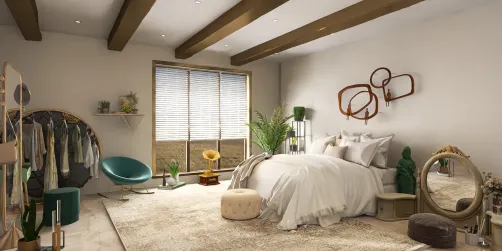
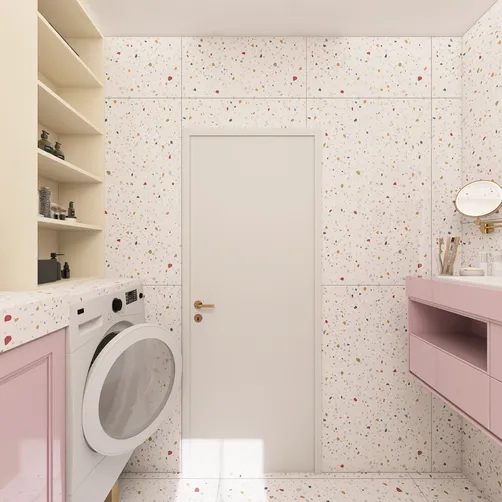
When envisioning Italian interior design, one might picture rustic stone flooring or intricate ceilings. However, the true character is found in its dynamic blend of tradition and modernity. Unlike styles governed by fleeting trends, Italian design strikes a perfect equilibrium between a respect for history and contemporary practicality. The essence of these spaces encompasses luxurious textures—think of fabrics like linen, genuine leather, and artisan-crafted terrazzo. In exploring timeless designs adaptable to any taste, I've uncovered a key aspect of Italian ethos: comfort never takes a backseat to aesthetics. You'll typically find spaces that aren't overly dressed or devoid of personality; each room narrates a tale that resonates across generations. My perspective is that much online content fails to capture this subtle authenticity, concentrating instead on superficial trends. Embrace the lived-in feel, the textured layers, and the purposefully imperfect details, and your interiors will radiate that effortlessly Italian charm, potentially enhanced using tools like Homestyler.
How Do Italian Interiors Harmonize Tradition with Innovation?
Italy's design philosophy embodies a beautiful interplay of the past and the present. While many online resources focus solely on historical reproductions, true Italian homes celebrate contrast with flair—imagine a Baroque chandelier suspended above a sleek marble table; this is not by chance but an intentional design choice. Authentic homes embrace heirloom items alongside contemporary treasures, allowing their environments to grow while remaining firmly rooted in heritage. This subtlety is often lost in many design guides.
Why Texture Reigns Supreme in Italian Interiors?
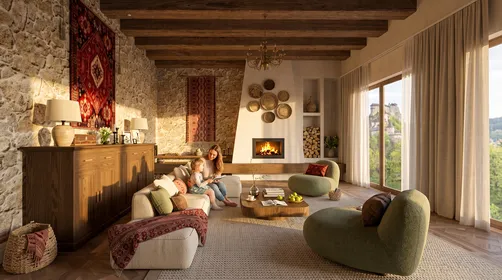
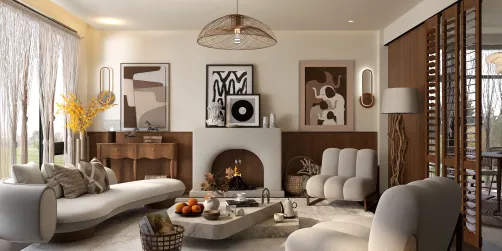
Iconic materials like stone and stucco are staples, yet it's the interplay of soft and rugged, matte and glossy, that truly animates these spaces. Numerous Italian homeowners prefer tactile elements: crumpled linen throws, well-loved leather, and hand-glazed ceramics. In contrast to the hyper-polished, uniform looks commonly seen on platforms like Pinterest, this mix fosters an inviting sense of casual elegance. Observe how a well-curated assortment of furnishings creates a warm welcome for all who enter.
What Role Does Art Play in Italian Spaces?
Italian homes are not merely decorated; they are thoughtfully curated. Gallery walls harmoniously blend family portraits, vintage prints, and modern artworks. While many guides consider art as an afterthought, in Italian design, it is fundamental. Each piece is selected for its unique narrative rather than its monetary value. For renters and homeowners alike, even a singular significant artwork can profoundly impact the environment, showcasing the Italian tradition of self-expression within one's living space.
How Can One Achieve Italian Elegance on a Budget?
Contrary to popular belief, sophistication doesn’t necessarily come with a hefty price tag. Many Italians are skilled at repurposing antiques, hunting for bargains at local markets, and focusing on a few standout pieces. Much of the online advice overlooks this clever, resourceful spirit, equating luxury with high expenditure. Often, it’s the seemingly minor details—a treasured ceramic vase or a handmade basket—that imbue the space with authentic character. Tools like Homestyler can help visualize layouts that maximize the impact of these vintage finds without overspending.
Are Open Layouts Essential for Capturing the Italian Villa Atmosphere?
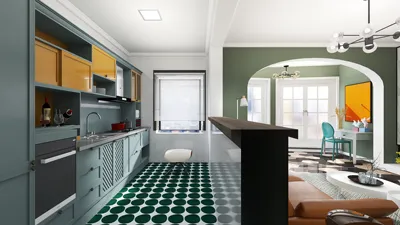
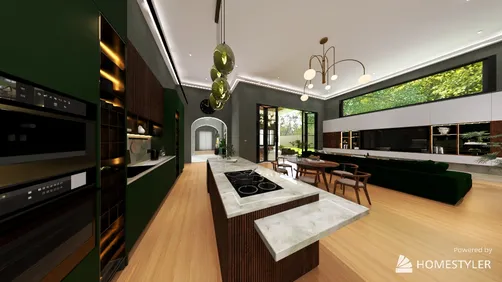
Absolutely. Italian homes embody the spirit of hospitality and communal gatherings, making layout a significant consideration over mere decorative elements. The ability to host spontaneous dinners or accommodate family enhances these interiors' appeal. Prioritizing fewer partitions and more multifunctional furnishings sets these spaces apart; many guides mistakenly emphasize visual design over the functional warmth that open layouts provide.
What Hidden Costs Should Be Considered When Designing with Italian Materials?
Selecting authentic Italian materials—such as Carrara marble or Murano glass—can rapidly deplete your budget. However, opting for regional alternatives or vintage reproductions can lead to significant savings. Numerous online checklists promote expensive imports, conveniently omitting these realities. It's prudent to mix accessible elements with selective splurges to craft a cohesive and cost-effective design.
Summary of Key Points
Italian interior design is defined by its harmonious blend of comfort, personal narrative, and rich textures—transcending mere clichés. Prioritizing authenticity, curated artworks, and inviting communal areas cultivates timeless elegance without straining your finances.
Frequently Asked Questions (FAQ)
What are some budget-friendly ways to achieve an Italian aesthetic in my home?
Incorporate natural materials, thrifted treasures, and showcase personal artworks or memorabilia focusing on warmth and togetherness.
What color palettes are commonly found in Italian interiors?
Earthy tones, warm neutrals, and hues inspired by the Mediterranean—such as blues and greens—are prevalent selections.
Are open-concept spaces fundamental to Italian style?
Yes, open layouts foster socialization, a pivotal dimension of the Italian domestic experience.
Can Italian design be effectively implemented in compact apartments?
Absolutely! Utilize multifunctional furniture, prioritize natural light, and integrate a few eye-catching designs to optimize smaller areas.
What common pitfalls should be avoided in achieving Italian design?
Relying heavily on stereotypes or faux finishes rather than embracing authentic textures and narratives.
Is Italian design exclusively rooted in tradition?
No, it skillfully merges traditional concepts with contemporary designs—consider classic components paired with innovative materials.
Should I incorporate vintage elements into my design?
Definitely! Vintage treasures bring personal history and are often integral in Italian residences.
What type of lighting best complements Italian interiors?
Soft, diffused lighting from layered sources like chandeliers combined with table lamps is optimal.
References
Homestyler's roots trace back to Autodesk, the global leader in design and engineering software. That heritage lives on in every feature we build. Today, with a community of more than 20+ million registered users (platform data, 2026) worldwide, Homestyler continues to make professional-quality interior design accessible to everyone — from first-time decorators to seasoned architects.
Looking to transform your space with ease? Homestyler is your go-to online home design platform! Enjoy its user-friendly design tool, stunning 3D renderings, and a wealth of inspiring design projects and video tutorials. Create your dream home effortlessly, no experience needed!
Design Now for FREE







![[For dear Adelina madee 🤎]](https://hs-designs.homestyler.com/production/design/images/8a07e535-9cbc-4132-a42a-5932dac3a112/1706972286037.jpg?x-oss-process=image/resize,w_502,m_mfit/format,webp)