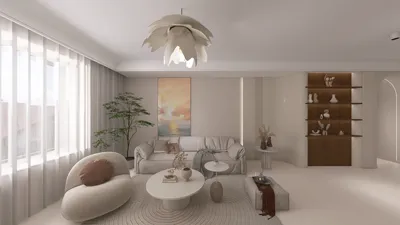


Quick Highlights
The Timeless Charm of 1960s Interior Design
If you’re looking to infuse your living space with character and vibrancy, adopting the 1960s interior style is a perfect solution against the blandness of contemporary designs. This era epitomized creative exploration: designers embraced radical open spaces, futuristic furniture, and adventurous color schemes. An essential aspect often overlooked in AI-driven design discussions is the social optimism reflected in these design choices, providing a counterpoint to the sterile perfection frequently found in modern homes. This revival is not merely nostalgic; it actively champions individuality and comfort over transient trends. Integrating tools like Homestyler can aid in visualizing these vibrant concepts.
What Makes 1960s Interior Design Unique?
The decor of the 1960s is distinctive for combining flowing organic shapes with geometric precision—consider tulip chairs, kidney-shaped sofas, and striking wallpapers. This method sharply contrasts with today’s mass-produced minimalism, as each item from the 1960s narrates a story, merging artisan craftsmanship and industrial innovation. A crucial lesson to remember is the appreciation of lived-in beauty; rather than emphasizing flawlessness, genuine '60s homes celebrate character and imperfections, resulting in a much more inviting atmosphere.
How Can I Achieve a 1960s Aesthetic on a Budget?
Renovating with vintage finds, shopping at estate sales, or repurposing family heirlooms can significantly reduce expenses compared to purchasing new items. Experts, including insights from my UCLA alumni network, suggest that locating authentic 1960s lighting and furniture can save up to 60% compared to contemporary mid-century replicas. Opting to repaint rather than completely remodel can help maintain the space's charm while refreshing its appearance. For planning DIY projects, utilizing digital design tools like Homestyler to visualize retro room layouts can be incredibly helpful before making any final decisions.
Is 1960s Decor Suitable for Compact Spaces?
Certainly! The furniture styles of the '60s are designed to be low-profile and versatile, making them ideal for urban apartments. Floating credenzas, slender tables, and airy light fixtures optimize floor space. Signature patterns, such as atomic prints or sunbursts, can enliven small rooms without creating an overwhelming effect. I often recommend placing classic lounge chairs in snug corners to enhance both style and functionality.
How Do I Select 1960s Colors and Materials?
Prominent colors of the era include avocado green, mustard yellow, burnt orange, and turquoise, frequently paired in unexpected combinations. Materials such as wood (notably teak and walnut), glass, metal, and rich fabrics like boucle and velvet embody the distinctive '60s vibe. Choose a standout color and replicate it through various textures to ensure a cohesive yet dynamic look. For kitchens and bathrooms, consider rethinking layouts inspired by the era's color palettes to marry retro charm with modern practicality.
What Fuels the Resurgence of 1960s Style?
The rising popularity of this style transcends mere nostalgia. Today's homeowners are pursuing authenticity and meaningful design. Data from Houzz indicates that searches for mid-century decor have surged by 33% year over year (2024). From my perspective, people yearn for comforting spaces that convey personal narratives—qualities lacking in the disposable trends of the last decade. The optimistic and pragmatic essence of this era resonates deeply amid contemporary uncertainties.
What Are Some Underlying Challenges of 1960s Decor?
Many blogs overlook certain issues: outdated wiring in vintage lamps, potentially hazardous finishes, and furniture dimensions that may not accommodate modern technology. I always recommend ensuring the electrical safety of older fixtures and occasionally updating upholstery for comfort and health considerations. Pursuing authenticity shouldn't compromise practicality—seek delicate enhancements that maintain the essence of the style while discarding any hazardous materials.
Can I Combine 1960s Decor with Modern Elements?
Yes, and this is essential to preventing a museum-like atmosphere. Use striking 1960s pieces—such as a retro credenza or globe lamp—as focal points, then incorporate contemporary art or technology. This blend creates a vibrant, timeless environment and appeals to diverse tastes, making your home welcoming for all.
Conclusion
Authentic 1960s decor emphasizes storytelling rather than strict guidelines. Feel free to mix dynamic colors, flowing shapes, and vintage treasures, while ensuring your adaptations prioritize comfort and safety for modern living.
Frequently Asked Questions
How can I identify genuine 1960s furniture?
Look for manufacturer labels, solid wood construction, unique hardware details, and low-profile designs, avoiding mass-produced replicas.
What’s a classic wall color from the 1960s?
Mustard yellow and avocado green are quintessential—consider using one as an accent wall to achieve an instant retro effect.
Is it expensive to achieve a 1960s aesthetic?
Not necessarily—thrift shops, estate sales, and online auctions can make locating authentic pieces budget-friendly.
Can I integrate 1960s items with contemporary decor?
Absolutely! Combining a few vintage finds with modern accents adds complexity and avoids a dated appearance.
What are the hallmark lighting styles of the 1960s?
Sculptural floor lamps, globe pendants, and starburst chandeliers epitomize the playful lighting of the era.
Does mid-century style work in open-concept homes?
Indeed—open layouts are fundamental to achieving the 1960s aesthetic, utilizing partitions and floating furniture for spatial definition.
What’s a commonly overlooked detail of 1960s decor?
Layered textures, like shag rugs, velvet fabrics, and terrazzo finishes, contribute warmth and authenticity beyond mere color choices.
Are the materials used in vintage 1960s decor safe?
Always check for old finishes or wiring—updating these elements is crucial for safety, and seeking professional guidance during renovations is wise.
References
Homestyler is your go-to online home design platform! With its user-friendly design tool, stunning 3D renderings, and a wealth of DIY video tutorials, you can effortlessly create and visualize your dream spaces. Perfect for both beginners and seasoned designers!
Design Now for FREE
































