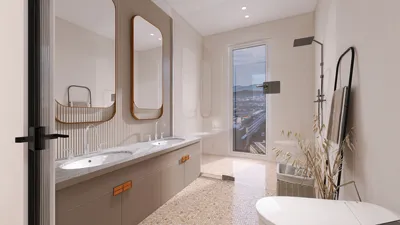


In modern kitchens, small-format floor tiles add precision, rhythm, and an inviting warmth. When a space requires visual balance, slip resistance, and easy maintenance without sacrificing style, I opt for mosaics, 2x2 to 4x4 ceramics, and petite porcelain options. These smaller tiles not only enhance aesthetics but also help manage circulation, hide wear, and create designated cleaning areas—essential in environments where cooking and spills are routine. Incorporating tools like Homestyler can enhance the visual arrangement of these tiles.
Safety and durability are crucial elements in kitchen design. According to Steelcase, an optimally designed workspace can enhance task efficiency by 20-25% if surfaces and flow are well-structured. Compact tiles play a significant role in this by clearly delineating task areas and facilitating easy cleaning. WELL v2 guidelines recommend maintaining dry, slip-resistant surfaces, and I aim for a minimum dynamic coefficient of friction (DCOF) of ≥ 0.42 for kitchen flooring, with many small textured tiles reaching or exceeding this standard due to the micro-grip provided by their grout lines. Furthermore, IES advises minimizing glare and balancing vertical and horizontal light levels, a goal easily achieved with matte small tiles that diffuse reflections.
Color selection influences appetite, mood, and perceived cleanliness. Findings cited by Verywell Mind highlight that cool colors—such as gentle blues and muted greens—foster a sense of calm, while warmer neutrals create comfort without overwhelming the senses. In compact kitchens, I steer clear of saturated reds for flooring (as they can heighten visual warmth) and instead prefer desaturated shades with a light reflectance value (LRV) of 35-55, which effectively balances brightness and conceals stains. This strategy has proven to prolong the fresh appearance of floors in my previous projects, even under heavy traffic.
Design Principle: The Superiority of Small Tiles in Real-Life Usage
Smaller tiles contribute to more grout lines, enhancing traction and allowing for visual effects to either compress or expand a space, depending on the layout. In high-traffic kitchens, the fine grid pattern is effective at concealing micro-scratches better than larger tiles. Maintenance routines are also expedited, as segmented surfaces allow for localized staining and targeted repairs without the need to replace expansive panels.
Quality Matters: Materials and Specifications
• Porcelain (2x2 to 4x4): Known for its high density and low porosity, these tiles provide excellent DCOF performance. Opting for rectified edges ensures tight grout lines, while cushioned edges offer softer transitions.
• Glazed ceramic mosaics: These tiles are budget-friendly and come in a wide array of colors. For busy kitchens, aim for a PEI rating of 4 or 5.
• Natural stone mosaics (like slate and basalt): These tiles provide a tactile feel and eye-catching aesthetics; sealing with a penetrating agent and choosing honed finishes can help mitigate glare.
• Small-format cement tiles: These feature strong design patterns; however, they require regular sealing and careful cleaning to avoid etching.
For guidance on lighting and glare control, I refer to IES standards (ies.org/standards). For slip resistance and healthy material recommendations, guidelines from WELL v2 offer valuable information.
Layout Strategies for Contemporary Kitchens
The geometry of your tile pattern can significantly influence how a room is experienced. In narrow galley kitchens, a straight lay pattern aligns traffic flow and establishes a serene backdrop for bold cabinetry. In open layouts, a 45-degree diagonal pattern subtly enhances the perceived width and introduces a sense of motion. When using small tiles, herringbone patterns can be visually striking; they are ideal for highlighting the cooking area or transitioning towards dining spaces. Using room design tools like Homestyler can assist in testing flow and clearance before finalizing a pattern.
Small tiles in a room layout tool can optimize design.
The Psychology of Color in Flooring
I prefer to keep flooring colors understated, allowing cabinetry and backsplashes to express bolder hues. Utilizing colors such as greige, clay, and cool gray mosaics grounds the color scheme and helps hide crumbs. For households that frequently cook, green-gray tones can alleviate visual fatigue and complement warmer undercounter lighting effectively. It’s advisable to avoid ultra-dark tiles in small kitchens, as the contrast with walls can create an enclosed feeling.
Lighting Considerations: Matte, Micro-Texture, and Glare Management
With kitchens often illuminated by a mix of downlights, pendant lights, and natural light, choosing matte small tiles can help minimize specular highlights that contribute to perceived slipperiness. I target an ambient light level of 300-500 lux, complemented by warmer task lighting in the range of 2700-3000K at work areas; the goal is to prevent reflective surfaces on the floor. Utilizing micro-texture alongside grout lines effectively diffuses light to enhance visual comfort.
Human Factors and Ergonomics
The comfort of standing involves micro-flexibility underfoot and visual harmony. Small tiles offer a subtle rhythm that directs movement and maintains spatial orientation. In kitchens where extended cooking sessions occur, pairing small tiles with cushioned anti-fatigue mats near cooking and prep areas is beneficial. Ensuring transitions between adjacent materials are level prevents tripping hazards; using trims like Schluter at thresholds is advisable.
Sound Control in Kitchens
While hard floors can amplify sound, small tiles do not differ in this respect. To help mitigate noise during both conversations and cooking, incorporating soft materials at head height—like upholstered chairs, drapery, and acoustic panels—while placing dense rugs in high-spill areas is effective. Adding underlayment can help diminish impact sounds; referring to manufacturer specifications for IIC ratings is advisable.
The Importance of Grout in Design
The width and color of grout can significantly influence floor aesthetics. I recommend specifying 2-3 mm joints for small porcelain tiles and increasing slightly for handcrafted ceramics. Sanded grout is preferable for durability, while epoxy grout provides superior stain resistance in frequently used kitchens. Matching the color of grout to the tile can yield a serene appearance, while a contrasting hue can highlight the grid design. For longevity, it's crucial to seal cementitious grout annually.
Focus on Sustainability and Maintenance
Porcelain and ceramic tiles are known for their outstanding lifecycle performance. When possible, opt for tiles with recycled content and low-VOC setting materials. Cleaning should be done using pH-neutral solutions, and avoid using oil soaps on stone surfaces. In case of tile chipping, utilizing small-format tiles simplifies the replacement process—keeping a small stock (2-3% extra) for future maintenance is recommended.
Effective Pattern Concepts
• Classic grid with 2x2 porcelain in a warm gray: offers minimal reflection and a timeless appeal.
• Micro-herringbone with 2x4 mosaics: provides dynamism while maintaining order; ideal for open kitchen settings.
• Checkerboard pattern in muted tones: adds a vintage element without overwhelming.
• Basketweave stone: adds tactile feedback and heritage richness; best suited for larger areas with ample light.
Installation Insights from Practical Experience
It's essential to have level substrates, as small tiles will reveal unevenness. Consider employing high-quality leveling compounds if necessary. Back-buttering larger mosaics is vital to achieve full coverage, and assessing DCOF with your finish selections before making final decisions is encouraged. Aligning patterns with cabinetry and islands ensures a visually cohesive room.
Frequently Asked Questions
Q1: Are smaller tiles generally more slip-resistant compared to larger tiles?
A1: This is often the case. The increased number of grout lines adds micro-grip, and many small-format porcelain options meet or exceed a DCOF of ≥ 0.42, which is aligned with common safety standards for kitchens.
Q2: What tile size is ideal for compact kitchen spaces?
A2: Tiles sized between 2x2 and 4x4 strike a balance between visual proportion and maintenance efficiency. They enhance the rhythm of the space without causing fragmentation and simplify spot repairs.
Q3: How can I select a floor color that minimizes the visibility of crumbs?
A3: Opt for mid-tone neutrals (LRV 35-55) in soft, desaturated tones—such as warm gray or greige—since they effectively mask everyday debris while ensuring brightness.
Q4: Which type of grout is the most stain-resistant?
A4: Epoxy grout is the best choice for stain resistance and minimal absorption. For cementitious grout, sealing and opting for a slightly darker color can help disguise wear and tear.
Q5: Do small tiles create an illusion of spaciousness in kitchens?
A5: Yes, especially with thoughtful pattern choices. Diagonal designs or micro-herringbone can enhance the perception of width, while tone-on-tone patterns yield a seamless and open feel.
Q6: What lighting is suitable for use with matte small tiles?
A6: Aim for an ambient light level between 300-500 lux, coupled with warmer task lighting around 2700-3000K. The matte textures help minimize glare, ensuring comfort under various lighting conditions.
Q7: Are small cement tiles practical for busy kitchens?
A7: They can work well, but they demand regular sealing and careful cleaning practices. If ease of maintenance is a priority, consider porcelain tiles that emulate the aesthetic of cement.
Q8: How can I address acoustics in kitchens with hard tile floors?
A8: Combine sound-absorbing materials such as upholstered furniture, curtains, and acoustic decorations with soft rugs positioned away from spill-prone areas. Considering the use of underlayment can also reduce impact noise.
Q9: Do small tiles work effectively with radiant floor heating?
A9: Indeed. Porcelain and ceramic tiles are excellent conductors of heat, and small modules disperse thermal expansion stresses efficiently when properly installed.
Q10: What installation details should I be attentive to?
A10: Ensuring a level surface is vital, use the appropriate thinset for the tiles, maintain uniform grout widths, and align patterns with cabinetry and island layouts for clean lines.


Homestyler is your go-to online home design platform! With its easy-to-use design tool, stunning 3D renderings, and an extensive library of design projects and DIY video tutorials, you can effortlessly transform your home into a personal masterpiece. Get started today!
Design Now for FREE
































