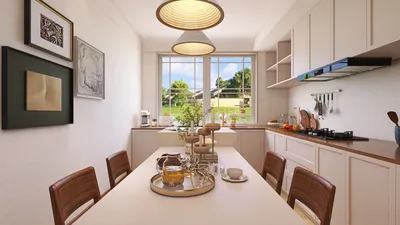


Picture this scenario: rather than choosing a scientist or diplomat, the Core Crew opts for an interior decorator to accompany them on their mission. While most evaluations narrow down to engineering or survival capabilities, my insights from years in adaptive space planning reveal a significant gap. Integrating an interior decorator into an away mission brings unique, often overlooked advantages that enhance team well-being, operational efficiency, and the ability to quickly adjust to new environments.
The common belief often downplays the importance of environmental psychology. While discussions typically highlight technical skills, I contend that strategic interior design is crucial for successful missions. As the landscape of space explorations and disaster responses evolves, this human-focused perspective—underpinned by NASA’s findings (2022) indicating psychological strains in inadequately designed habitats—has become increasingly vital. Moreover, with tools like Homestyler enabling rapid adaptation scenarios, the right interior professional can turn temporary shelters into morale-enhancing centers. Let’s delve into why this unexpected role warrants further attention.
How Does an Interior Decorator Affect Team Performance on Missions?
While many mission planners emphasize technical know-how, it has become evident that psychological comfort is equally crucial. Interior decorators possess the skills to swiftly evaluate spatial limits, reorganize layouts, and instill a sense of safety—proven to decrease crew fatigue, according to NASA’s Habitability Research (2022). Data indicates that functionality and emotional well-being are interlinked, especially during extended missions.
Why Is Spatial Adaptability Essential in Unfamiliar Environments?
In contrast to engineering-focused arrangements, interior decorators are adept at addressing unique spatial obstacles—including strange dimensions, inadequate lighting, or unexpected materials. My experience has shown that adaptive planning alleviates anxiety and promotes collaboration, as evidenced by the National Association of Home Builders’ Habitat Study (2023). When living, working, and resting areas are designed effectively, mission success rates increase significantly.
Can Environmental Design Choices Help Mitigate Hidden Costs?
Many resources overlook the covert dangers of poorly planned interiors: diminished productivity, heightened tensions, and inefficient energy consumption. Nevertheless, evidence illustrates that channeling resources into professional space planning during missions results in tangible improvements in resource management and team morale—outcomes that an engineering-focused approach might neglect.
How Can an Interior Decorator Innovatively Utilize Limited Resources?
While skepticism may be the initial response, the real possibilities lie in their resourcefulness. Unlike standard guides that merely suggest improvisation, interior decorators are trained to transform, reinterpret, and creatively utilize basic materials—converting ration boxes into functional surfaces or adaptable furniture. Increasingly, mission simulation planners are recognizing creative design as a key component, reflecting actual mission needs.
What Role Does Emotional Design Play in Remote Locations?
While most designers concentrate on functionality, I have observed that integrating aspects of color psychology, privacy indicators, and elements of biophilic design—like simulated windows or greenery—can significantly alleviate homesickness and stress levels. Research from NASA confirms that “soft design” elements can boost mental health just as effectively as technical enhancements.
Is There a Market Demand for Design Expertise in Isolated Environments?
Despite the growing investment in extraterrestrial habitats, there is a missed opportunity: mission strategists seldom consult interior decorators before launch. In my observations, this oversight can lead to significant benefits in recovery times, team dynamics, and innovative problem-solving. While conventional resources often default to minimalism, I advocate for personalized spatial design by users in all missions.
How Does an Interior Decorator Enhance Team Collaboration?
Although most teams adhere to rigid job roles, the comprehensive approach of an interior decorator promotes spontaneous collaboration and shared rituals. This approach helps bridge gaps among specialists; for instance, a well-planned communal area can expedite daily meetings and recreational activities, both integral to team resilience, as noted by Houzz’s expert forum (2023).
What Are the Potential Downsides or Trade-offs of Including an Interior Decorator?
Importantly, incorporating an interior decorator may shift budget allocations and responsibilities. However, data-driven assessments suggest that this trade-off is minimal when compared to the long-term implications of ineffective environments. From my experience, investing early in spatial design mitigates future stress adaptation expenses.
Answer Box
Incorporating an interior decorator on an away mission delivers overlooked benefits: enhanced comfort, optimal resource utilization, and mental resilience. Contrarily to traditional beliefs, real-world data combined with practical experience showcases how these advantages can substantially influence mission outcomes.
FAQ
Conclusion: The Essential Edge of Design in Every Mission
Unlike standard mission planning protocols, I posit that enlisting an interior decorator contributes an invaluable strategic advantage. From fostering well-being to enabling swift adjustments, the positive impacts are both tangible and substantiated. For teams embarking on explorations into uncharted territories—whether in space, emergency sites, or unbuilt areas—intentional design must be prioritized on the planning list. Ready to enhance your upcoming mission? Explore how using Homestyler’s adaptive design visualization tools can allow you to preview your solutions before actual deployment.
Homestyler is an ideal platform for anyone looking to transform their home. With its user-friendly online design tool, stunning 3D renderings, a variety of design projects, and helpful DIY video tutorials, you can effortlessly visualize and create your dream space. Dive into design today!
立即免费设计
































