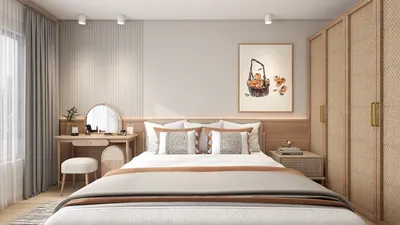


Direct Response
The increasing popularity of drop leaf dining tables is closely linked to the trends in contemporary urban living with limited space. As apartments become more compact and rooms serve multiple purposes, furniture that expands and contracts as needed is rapidly gaining traction as an essential solution in space-conscious home design.
Today, designers and furniture manufacturers view drop leaf tables not as temporary fixtures but as enduring, multifunctional hubs for dining, work, and everyday living.
Key Highlights
Overview
Throughout my decade of experience as an interior designer in Los Angeles, I've observed a steady reduction in apartment sizes alongside growing demands for versatile functionality. This dynamic explains the significant shifts in small-space dining table trends.
One notable revival is that of the drop leaf dining table, now reimagined with modern engineering. What was once regarded as a stopgap or outdated piece has evolved into a sophisticated multifunctional furniture item.
In various recent projects, especially those involving studios and one-bedroom units, clients prefer tables that can be tucked away when not in use rather than occupying permanent dining areas.
Prior to selecting furniture, I often utilize digital room planning tools like Homestyler to experiment with flexible dining configurations and movement paths. Such digital visualization helps in understanding how expandable pieces integrate into compact layouts.
This article delves into why drop leaf tables are surging in popularity, the design innovations reshaping them, and future directions in space-saving furniture.
Save and Pin
Why Limited Living Spaces Are Fueling Furniture Innovation
Insight: The driving force behind current furniture design breakthroughs is the combination of decreasing residential area and increasing expectations for multifunctionality.
Urban housing statistics consistently reveal a trend towards smaller apartments. Research from U.S. housing authorities and design industry reports show that studios and one-bedroom apartments are prevalent in urban development.
This transformation demands that furniture performs multiple roles beyond its traditional use.
Many apartments now merge dining, working, and social activities into a single flexible space. Furniture must therefore be adaptable to diverse functions.
In real-world projects, I've witnessed clients avoiding large fixed dining sets in favor of expandable, compact tables used 80% of the time in their folded state.
This change significantly contributes to the growing demand for multifunctional dining tables.
The Increasing Appeal of Drop Leaf Dining Tables
Insight: Drop leaf tables have transformed from classic furniture pieces into precisely engineered space-saving solutions.
Traditionally associated with colonial-era homes as space savers, modern designs have addressed their previous flaws such as instability, outdated look, and restricted seating capacity.
Contemporary drop leaf tables often feature innovations like:
Many homeowners are impressed by their remarkable versatility. A drop leaf table now can serve as:
This adaptability explains why multifunctional dining furniture trends are closely linked with drop leaf table designs.
Save and Pin
Innovations in Contemporary Drop Leaf Tables
Insight: The success of modern drop leaf tables stems from a focus on portability, engineering excellence, and visual minimalism.
A frequent error in small apartments is selecting bulky expandable furniture that dominates the visual space, causing rooms to feel cramped even when folded.
Effective modern designs typically adhere to three principles:
Another trend is hybridization; many drop leaf tables now blend characteristics from multiple furniture categories.
I frequently use digital rendering tools such as Homestyler to visualize these furniture layouts before procurement. Seeing expandable tables within a realistic room context greatly aids in planning for constrained spaces.
Materials and Sustainability Trends
Insight: Environmentally friendly materials have become a key feature in compact furniture production.
Manufacturers are integrating sustainability commitments into their small-space furniture lines.
Compact furniture supports eco-friendly objectives by:
Current trends for materials in drop leaf table production include:
Many Scandinavian companies emphasize modularity, enabling replacement of individual components rather than discarding entire tables.
Summary Box
Drop leaf dining tables are increasingly favored because they address a central issue in modern housing: the need for multifunctional, flexible spaces. Their capability to expand for dining and fold away for daily activities makes them perfect for apartments and small homes.
How Furniture Brands Are Responding to Compact Living
Insight: Manufacturers are redesigning entire lines to focus on flexibility and compactness instead of merely shrinking older models.
This transformation is more comprehensive than downsizing tables; it involves creating adaptable furniture ecosystems.
Common tactics by brands include:
Some companies design dining pieces tailored to kitchen layouts in small homes. Exploring smart kitchen layout solutions before selecting furniture can be very beneficial.
Save and Pin
Future Directions in Space-Saving Dining Furniture
Insight: Upcoming dining furniture will emphasize adaptability, ease of movement, and integration with digital design tools.
Current trends suggest several defining features for the next generation of compact dining furniture.
One rising concept is "invisible furniture," which virtually disappears when not in use. Design elements like slim profiles, light finishes, and floating structures preserve openness in small interiors.
From my experience, the most effective small homes are those where furniture adjusts fluidly according to day-to-day needs rather than simply being the smallest possible.
Conclusion
Frequently Asked Questions
1. Why have drop leaf dining tables regained popularity?
Because their expandable design suits modern compact living by providing full dining space when required while minimizing footprint otherwise.
2. Are drop leaf tables practical for small apartments?
Absolutely. They are among the most efficient choices for compact living as they remain folded unless needed.
3. What is the seating capacity of drop leaf tables?
Most contemporary models seat two when folded and four when fully extended.
4. Are drop leaf tables stable?
Modern designs feature reinforced hinges and support systems, greatly enhancing stability compared to traditional versions.
5. Which materials are best for drop leaf dining tables?
Common durable materials include hardwood, engineered wood, and steel frameworks.
6. Can drop leaf tables function as work desks?
Yes, many users repurpose them as temporary workstations in limited spaces.
7. What are the current trends in small space dining tables?
Predominant trends include expandable designs, multifunctional use, lightweight construction, and modular features.
8. Are multifunctional dining tables a worthwhile investment?
Definitely. Their rise mirrors the growing demand for furniture that supports multiple daily activities in modern dwellings.
Sources
U.S. Census data on housing sizes
Global interior design publications analyzing apartment trends
Insights from international furniture exhibitions

Adult Siesta Rocking Chair, Folding Zero Gravity R

DFW Folding Dining Table, Versatile Dinner Table w
Homestyler offers an easy-to-use online design tool with stunning 3D renderings, a vast collection of interior projects, and helpful DIY video tutorials—perfect for bringing your home design ideas to life effortlessly.
Desain sekarang Gratis
































