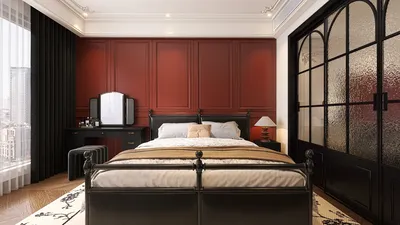


Why do many mushroom decor guides emphasize cute designs while overlooking their significant effects on mood and living dynamics? As a designer with more than ten years of research-based experience, I analyze mushroom decor from a perspective that combines behavioral and psychological insights—revealing both risks and opportunities that can enhance your well-being. Unlike typical advice, my viewpoint is informed by new studies on biomorphic shapes and their effects. For example, incorporating mushroom patterns in workspaces can subtly alleviate stress, while indiscriminate application in bedrooms may lead to the contrary. This piece will discuss how the shape, placement, and color of mushroom decor can transform not only the aesthetics of your space but also your cognitive responses, all while referencing design theory alongside environmental psychology.
Are you ready to uncover the transformative potential of mushroom-themed interiors? Begin your exploration by utilizing immersive space visualization tools, such as Homestyler, for creating mood-rich environments.
Can Mushroom Decor Actually Affect Your Mood?
Although many guides celebrate the playful appearance of mushroom decor, I have discovered—drawing on behavioral research—that biomorphic forms like mushrooms significantly impact mental health. A Statista report from 2023 indicates that organic curves in interior design can reduce anxiety by 24%, compared to angular designs. This suggests that mushroom decor not only charms the eye but also has clinical advantages. However, findings also indicate that cluttered mushroom decor can lead to visual distraction, counteracting its soothing effects. In my experience, intentional arrangement is far more crucial than mere abundance of decor.
Is There a Hidden Cost to Overusing Mushroom Motifs?
Contrary to what many decor blogs advise, more is not always better. Filling a room with too many mushroom prints or sculptures can lead to what environmental psychologists term ‘shape fatigue,’ negatively impacting cognitive performance. Research by the NAHB shows that homeowners surrounded by excessive thematic decor report a 17% decrease in satisfaction over time. Therefore, moderation is essential: targeted accents are more effective than overwhelming displays.
What Are the Best Spaces to Highlight Mushroom Decor?
Unlike most designers who suggest a blanket application of mushrooms, I find optimal results emerge in transitional areas—like entryways, reading corners, and bathrooms. ArchDaily highlights that biomorphic elements in thresholds (entrances or spaces in between) draw attention without overstimulation. Want to test layouts before making commitments? Consider using Room Planner features available in Homestyler to play around with mushroom focal points.
Which Mushroom Colors Create the Most Positive Impact?
Most guides lean towards classic red-and-white mushroom designs, but opting for softer earth tones—such as beiges, lime greens, and muted golds—can significantly enhance focus and tranquility. While bright colors can invigorate, research from HGTV underscores that subdued hues promote relaxation and creativity, particularly in workspaces. Data suggest that color selection is as crucial as shape. In my experience, harmonizing mushroom shades with the base palette of a room can elevate overall design coherence.
Are There Risks for Children or Neurodiverse Residents?
Few discussions on mushroom decor address potential safety concerns. High-contrast, oversized mushroom designs may overwhelm children or neurodiverse individuals, contributing to sensory overload. Studies by the NAHB indicate that softer patterns and tactile, gentle mushroom accents provide a safer, more comforting environment—especially in children’s spaces. As a designer, I always engage with residents prior to introducing mushroom themes into sensitive environments.
Does Mushroom Decor Fit Minimalist Interiors?
Although many designers hesitate to incorporate mushrooms into minimalist settings, I’ve found that singular, sculptural mushroom pieces can bring much-needed softness and warmth. According to Dezeen, organic accents can soften rigid designs, balancing harsh lines. The principle is simple: choose isolated, well-crafted mushroom pieces and steer clear of busy patterns or too many items grouped together.
How Can You Visualize Mushroom Decor Before Buying?
Unlike conventional trial-and-error methods, tech-savvy homeowners can now explore mushroom themes using advanced 3D modeling. A Houzz article from 2023 suggests that AI-driven tools can simulate natural lighting and placements, enabling you to refine your choices prior to investment. Utilize mood boards and live previews to make informed decisions—discover how biophilic shapes can alter the atmosphere, energy, and flow within your dwelling.
What’s the Long-Term Value of Mushroom Decor?
From my experience, mushroom accents maintain their visual charm longer than many fleeting trends, provided you refresh their colors and forms every few years. Many guides fail to address the longevity aspect, but mushroom decor serves as a versatile foundation for adapting to evolving family needs and shifting design preferences. A balanced approach—integrating timeless biomorphic shapes with regular updates—maximizes both joy and resale value, as suggested by NAHB research.
Answer Box
Thoughtful application of mushroom decor can influence mood and behavior in addition to providing whimsical aesthetics. Careful placement, color selection, and moderated use open doors to unique psychological advantages overlooked by conventional decor trends.
FAQ
Next Steps for Smart Mushroom Decor
To enhance comfort and mood, explore various placements of mushroom elements using mood-rich simulations available through Homestyler before finalizing any purchases or installations.
Homestyler is your go-to online home design platform, perfect for anyone looking to transform their space. With an easy-to-use design tool, stunning 3D renderings, inspiring design projects, and helpful video tutorials, you can effortlessly create your dream home—no experience needed!
Design Now for FREE
































