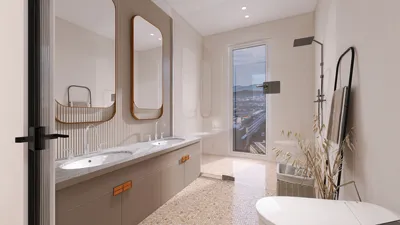


Teal is remarkably versatile, making it a great choice for a variety of spaces: it offers serenity in bedrooms, confidence in living rooms, and professionalism in home offices. I commonly utilize this color to connect cool and warm tones, reduce visual distractions, and establish a foundation for a room without overwhelming it. The essence lies not merely in selecting a paint sample but in harmonizing light, materials, and scale so that teal is perceived as deliberate and vibrant.
Color extends beyond mere aesthetics; it influences our behavior. Research consolidated by Verywell Mind indicates that shades of blue and green promote calmness and focus, lowering stress levels when compared to more vibrant reds or yellows. Teal, positioned between these color families, often provides the restorative benefits of green combined with the cognitive clarity associated with blue. Research from Herman Miller reveals that optimally designed environments enhance perceived productivity and cognitive comfort, achieved through balanced color schemes and ergonomic layouts. I apply these findings to set the ambiance: teal for stability, neutrals for clarity, and energizing accents.
The quality of lighting is as crucial as the paint color itself. According to WELL v2 standards, ensuring visual comfort, controlling glare, and maintaining suitable brightness levels are vital; typically, living areas should target a brightness of 300-500 lux, while task areas require 500-750 lux, maintaining a correlated color temperature around 2700-3500K in evening settings to support circadian rhythm. Teal will appear differently under various lighting; warm lighting adds depth, while cooler tones accentuate its blue characteristics. I create a cozy atmosphere with ambient light combined with a matte teal wall, use warm table lamps to soften shadows, and minimize glare with diffusers and indirect uplighting.
Living Rooms: Bold Teal Without Overload
In living spaces, teal can serve as a grounding element. I generally paint one primary wall—behind the sofa or around bookcases—and balance it with natural materials such as oak, linen, rattan, and boucle. Adopting a 60/30/10 design ratio works well: 60% neutral tones (soft greige and natural woods), 30% teal (as a feature wall or cabinetry), and 10% accents (like terracotta, brass, or coral to bring warmth). For testing placement, utilizing a room layout tool like Homestyler can simulate how teal interacts with daylight and existing furniture.
Bedrooms: Tranquil Teal for Quality Sleep
For bedrooms, I opt for softer teals with gray undertones to minimize overstimulation. These should be paired with warm white linens, textured fabrics, and blackout curtains to mitigate early morning glare. Keep ambient light at around 150-300 lux before sleep and adjust to 2700K or lower; higher color temperatures can inhibit melatonin production, making teal feel less inviting. A satin or matte finish softens bright spots, promoting a cocoon-like atmosphere.
Home Offices: Teal for Enhanced Focus
In home office settings, a teal backdrop behind the desk can eliminate visual clutter on camera and enhance contrast. I strategically position teal to be in peripheral vision, while keeping the desk surface light to avoid glare. Aim for a workplane brightness of 500-750 lux with a CRI above 90 to ensure accurate color representation, and supplement with a task lamp that has shielding to maximize visual comfort. Ergonomically, position the monitor at eye level and use a chair with lumbar support to complement teal's calming influence, aiding extended periods of concentration.
Kitchens: Contemporary Teal Accents
Teal cabinetry—particularly in lower units—pairs elegantly with quartz or marble that has soft gray veining. Hardware finishes in brass or matte black can enhance the overall sophistication of the space. An under-cabinet brightness level of 3000-3500K helps teal appear fresh while keeping prep areas well-lit. Reserve high-gloss teal for small accents, such as appliances or pantry doors, to minimize glare.
Bathrooms: Bright and Inviting Spa Vibe
In bathrooms, teal can flourish when combined with light-reflective surfaces. I prefer to tile the shower niche in teal and keep surrounding walls light to maximize light reflection. Aim for a vanity lighting level of 500+ lux, enhancing illumination with vertical sconces to reduce shadows. In windowless baths, pairing teal with high-CRI lights and satin paint will maintain color vibrancy while resisting humidity.
Entryways and Hallways: Making an Impression
In narrow corridors, teal can create a rich atmosphere without feeling heavy if the ceilings are kept light and trim remains tidy. A runner with muted designs that include teal, charcoal, and beige can visually extend the space. For smaller entryways, painting the interior of the door teal while keeping adjacent walls neutral creates a framed effect rather than a boxed-in one.
Selecting the Perfect Teal for Your Lighting Conditions
Northern light tends to cool teal, while southern light introduces warmth. I always sample three paint swatches—one that leans blue, another green, and a grayish option—on various walls, taking time to observe their appearance over 48 hours. Daylight with low UV (overcast conditions) can make teal appear bluer; incandescent lighting, on the other hand, warms it toward green. If your environment relies on LEDs, select bulbs with a CRI of 90 or higher and a color temperature of 3000-3500K to maintain teal's integrity throughout the day and night.
Material Combinations That Make Teal Stand Out
• Woods: white oak, walnut, and ash harmonize beautifully with teal.
• Metals: antique brass adds warmth; matte black offers sharp contrast; brushed nickel gives a modern touch.
• Fabrics: bouclé, linen, and velvet provide texture—velvet enhances teal's richness significantly.
• Stones: quartz featuring subtle veining keeps kitchens sophisticated; terrazzo introduces playful elements.
Patterns, Proportions, and Balance
I advocate maintaining simplicity on larger surfaces while letting patterns emerge in fabrics like rugs, throws, and cushions. In compact areas, limit teal to 30-40% of visible surfaces to prevent an overwhelming effect. In spacious rooms, an all-teal library, complemented by a lighter ceiling and floor, imparts a timeless feel. Repetition is key: incorporate teal at least three times (e.g., wall, accent chair, art) for cohesion.
Sound Absorption and Teal in Open Layouts
Open-concept living areas benefit from sound-absorbing materials alongside teal accents. Incorporating wool rugs, upholstered seating, and acoustic drapes effectively reduces reverberation, creating a more intimate setting. It's best to steer clear of overly glossy teal surfaces in echo-prone environments as they can reflect both sound and light.
Choosing Eco-Friendly and Durable Finishes
Opting for low-VOC paints helps protect indoor air quality, while water-based finishes on teal cabinetry ensure toughness without excessive shine. For long-lasting results, pick scuff-resistant matte for hallways and satin finishes for bathrooms. Implementing materials with Environmental Product Declarations (EPDs) or Health Product Declarations (HPDs) makes it easier to track environmental impact; I prefer using FSC-certified woods to align with a commitment to sustainability while working with teal.
Optimizing Small Spaces: Light Techniques and Proportions
In studio apartments or petite bedrooms, a single teal wall combined with teal details in artwork and cushions works more effectively than total immersion. Placing mirrors opposite teal enhances the perception of space, although it’s essential to keep frames minimal to avoid clutter. For multipurpose areas, utilize an interior layout planner—such as Homestyler—to visualize furniture arrangements and sightlines before finalizing designs.
Styling Your Space: Final Touches
Teal pairs wonderfully with natural plants like monstera, olive, or eucalyptus, bringing vitality without discord. Artwork with negative space can break up intense wall colors. Incorporate warm accent lighting and let one metallic finish lead the design, instead of mixing several to avoid a chaotic appearance. Edit your decor—remove at least one item—to allow teal to maintain its impact while keeping the room breathable.
FAQs
Select warmer, greener teals with gray undertones and use 3000K lighting with high CRI. Matte finishes minimize glare and deepen color impact.
Limit teal to 30-40% of surfaces, maintain light ceilings, and add mirrors strategically. Pair with soft neutrals and textured materials for balance.
Yes, keeping teal in peripheral vision while using a light desktop encourages focus; target a workspace brightness of 500-750 lux with shielded lighting to balance color.
Opt for antique brass for warmth, matte black for modern sharpness, and brushed nickel for a cooler yet clean appearance. Choose one main finish to prevent clutter.
Warm lighting (2700–3000K) enhances teal's green aspects and increases coziness; cooler lighting (3500–4000K) highlights its blue tones, keeping CRI at 90+ for true color representation.
Absolutely—apply teal to lower kitchen cabinets, combine with light countertops and reflective backsplashes, and implement under-cabinet lighting to retain brightness.
Select materials like linen, bouclé, rattan, and oak. These components soften teal’s saturation, contributing warmth and tactile quality.
Apply large swatches on multiple walls, observe various lighting throughout 48 hours, and test alongside flooring and fabric options.
Indeed—utilize high-CRI LED lighting for the vanity, maintain light-colored walls, and employ teal primarily in tile accents to preserve brightness.
Opt for warm neutrals, terracotta, coral, mustard, and brass for balance, or for cooler schemes, consider charcoal, soft gray, and nickel to refine the palette.
Incorporate rugs, upholstered seating, and drapery to curb sound reflections; glossy finishes can heighten reflections, so choose matte or satin alternatives.
Utilize classic proportions, natural materials, and focused accents. Let teal form the foundation for cabinetry or a bookshelf wall while keeping major furnishings neutral.
What began as an Autodesk innovation has evolved into a design platform used by more than 18 million people around the globe. Homestyler combines powerful rendering, an intuitive editor, and a vast furniture library to help you turn inspiration into photorealistic designs — whether you're redesigning a single room or planning an entire home.
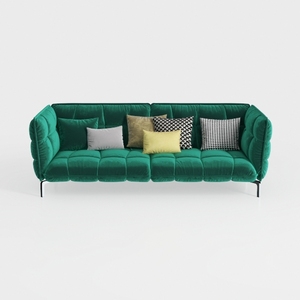

Modern Emerald Velvet Tufted Sofa With Decorative Throw Pillows 3D Model

Minimalist Teal Velvet Fabric Large Sofa 3D Model

Minimalist Teal Velvet Fabric Sofa 3 Seater 3D Model
Homestyler is a fantastic online home design platform that empowers you to create stunning spaces. With its user-friendly design tool, impressive 3D renderings, diverse design projects, and helpful video tutorials, bringing your dream home to life has never been easier or more enjoyable!
立即免费设计
































