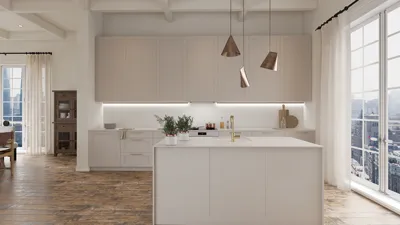


Soft pink has evolved from a mere trend to a versatile foundation in contemporary living spaces. I often utilize light pink to enhance minimal areas, softening harsh architectural features while creating an inviting backdrop that harmonizes beautifully with natural light, textured neutral colors, and sculptural furniture. In both office and residential environments, color plays a critical role; it influences behavior significantly. According to Verywell Mind, pink can stimulate feelings of calmness and comfort, making it an excellent choice for relaxation spaces, bedrooms, and reading zones. Moreover, the WELL v2 framework emphasizes the role of color and lighting in managing stress levels and supporting circadian rhythms, prompting me to blend gentle hues with appropriate lighting to optimize mood and productivity. Utilizing design tools such as Homestyler can further enhance visual planning.
The lighting in a space heavily influences how pink appears. The Illuminating Engineering Society recommends an illumination range of 200–300 lux for living areas and 300–500 lux for kitchens and home offices. For relaxation, they suggest a warm white light at 2700–3000K, while neutral white at 3500–4000K is ideal for task-oriented areas. I adhere to these recommendations while opting for matte finishes to minimize glare, ensuring that pink walls emanate a velvety appearance rather than a shiny one. For evidence-based design principles, I consult the WELL v2 guidance on light management to ensure visual comfort, circadian stimulus, and color rendering (with a target CRI of 90 or higher for accurate hues). Explore more about effective lighting strategies through WELL v2 resources.
Light Pink as a Contemporary Neutral
When I approach light pink as a neutral instead of a mere accent, my color palette expands significantly. A desaturated blush with shades of gray can seamlessly integrate with natural materials like oak, ash, and travertine, fostering a warm minimalist aesthetic. I maintain contrast at a minimum—using ivory for ceilings, sandy tones on floors, and soft pink for walls—allowing natural daylight to flow gracefully across surfaces without creating visual distractions. This method visually unifies open-plan apartments, merging living, dining, and kitchen areas while maintaining a serene rhythm.
Harmonizing Color Psychology with Functionality
Light pink’s soothing qualities assist me in designing spaces intended for relaxation and low-key activities. I ensure this is paired with ergonomic principles: lounges should have seating heights between 16–18 inches, desks should be 28–30 inches high for home offices, and monitors should be positioned at eye level to minimize neck strain. While color plays a significant part in influencing mood, ergonomics underpin comfort. If the layout is flexible, I utilize a room layout tool to evaluate sightlines, daylight access, and furniture placements prior to finalizing my paint choices using resources like Homestyler for a virtual check.
Choosing the Right Shades: Warm vs. Cool Pinks
Undertones profoundly affect the outcome of color choices. Warm blush tones (with yellow or peach undertones) enhance coziness and pair beautifully with materials like brass, walnut, and terracotta. In contrast, cool blush shades (featuring blue or gray undertones) bring an airy feel, complementing chrome, birch, and concrete. I typically sample a minimum of three paint swatches on various walls since the light will alter their appearance throughout the day. Morning light often casts a cooler look, whereas evening lighting brings a warmer hue. I aim for a lower LRV (Light Reflectance Value) of around 60–70 to maintain a light tone without making it feel chalky.
Light Pink Living Room: Subtle Contrast and Texture
In my living areas, I establish the color scheme with a soft pink accent wall while introducing texture through bouclé or wool upholstery, ribbed wooden elements, and stones with gentle veining. I layer two to three types of lighting—ambient ceiling lights, a softly diffused floor lamp, and hidden LED cove lights—to ensure uniform brightness, maintaining consistent hues of pink across surfaces. A minimalist black accent (like a sleek steel coffee table or picture frame) helps ground the overall design and keeps the aesthetic from feeling overly sweet.
Kitchen Inspirations: Blush, Timber, and Sleek Lines
Modern kitchens can embrace color effectively, provided it's applied thoughtfully. I recommend using light pink on vertical wall surfaces or as an elegant backsplash in a satin finish. This should be paired with rift-cut oak cabinetry, matte white countertops, and brushed nickel fixtures. Maintain task lighting at 4000K for precise food rendering while allowing the pink to add warmth to the overall ambiance. When rearranging work triangles or seating around islands, a quick run through an interior design planner can optimize necessary clearances (aiming for 36–42 inches for circulation and 48 inches for main pathways).
Bedroom Serenity: Circadian-Friendly Blush
In bedrooms, the true beauty of light pink emerges when combined with textiles. Incorporating linen curtains, quilted cotton bedcovers, and soft wool rugs adds a layer of subtle dimension. I prefer keeping light levels layered yet low: 200–300 lux for ambient lighting, bedside lamps lit at 2700K, alongside blackout options to promote deeper sleep. A pink accent wall behind the headboard creates a gentle focal point, steering clear of glossy paint to avoid reflective brightness at night.
Home Office: Encouraging Focus without Sterility
In my home office, a soft gray-blush on one wall diminishes visual fatigue and fosters a welcoming atmosphere. I combine this with neutral elements—a stone desk, graphite-colored storage, and the addition of greenery—to diversify the palette. Lighting is critical here, requiring temperatures of 3500–4000K with 300–500 lux at the workspace, ensuring high CRI for accurate representation of charts and samples. I also enhance acoustic comfort through the use of felt pinboards and area rugs; integrating pink can make a space feel richer when sound dynamics are taken into account and the environment is calmer.
Children's Spaces: Fun yet Grounded
For children, pink acts as a versatile canvas rather than just a dominant theme. I choose durable, washable paints while balancing lighter pink walls with sturdy wooden furnishings and accents in primary colors (like mustard, teal, or forest green) used sparingly. Clarity in storage—using labeled bins and accessible shelving—helps maintain a present palette while ensuring functionality in the room.
Material Combinations: Woods, Metals, and Stones
Light pink harmonizes well with natural materials. Ash and oak introduce warmth, while walnut and smoked oak provide a more sophisticated touch. Brushed brass can further enhance the warmth of pink, whereas chrome or satin nickel contributes a cool edge. Stones such as travertine and limestone echo the softness of pink; marble can introduce an element of sharp contrast through its veining. I prefer using matte and eggshell finishes to reduce glare, allowing the pink’s hue to appear velvety.
Pattern and Art: Striking Balance
Pink backgrounds enhance the appeal of monochromatic photography and line art. When I introduce patterns—such as geometrics or small floral designs—I keep it minimalistic, limiting it to one or two surfaces. This approach helps in maintaining visual harmony, allowing pink to play a supporting role while texture and form take center stage.
Sustainability and Health Aspects
Choosing low-VOC paints helps to minimize indoor pollutants and unwanted odors. Using sustainable woods (like FSC-certified options) and metal fixtures made from recycled materials aligns my design with responsible sourcing practices. Furthermore, I prefer avoiding high-gloss plastic finishes as they can harshly reflect light, altering the visual perception of pink. The result is a healthier living space with a more cohesive color palette.
Layout Techniques that Showcase Pink
Light pink flourishes when the room layout is clear and focal points are intentional. Arranging seating to face daylight, positioning sofas away from walls to create a sense of space, and reserving an uninterrupted wall for pink help establish tranquility. Before deciding on the arrangement, I simulate furniture placements with a design visualization tool like Homestyler to assess groupings, glaring points, and pathways.
Rapid Styling Suggestions
- Replace stark white curtains with warmer ivory tones to prevent the pink from appearing washed out.
- Incorporate a slim black or dark bronze outline (on lamps or picture frames) to define the palette.
- Integrate a single bold piece—like a rust-colored armchair or a navy blue vase—to anchor the design.
- Include greenery with cool foliage varieties (such as olive or eucalyptus) to create a balance with the pink tones.
- Sample paint swatches in both natural and artificial light to ensure accurate color evaluation.
FAQ
Q1: Will light pink restrict the space's appearance?
A: A desaturated light pink with a high LRV reflects ample light and often gives a spacious feel. Use matte finishes and avoid stark contrasts on short walls to keep the room feeling open.
Q2: What is the optimal lighting temperature to complement pink tones?
A: For bedrooms and lounges, 2700–3000K is ideal to maintain a warm, restful ambiance; whereas, for kitchens and home offices, 3500–4000K sustain color accuracy and concentration, consistent with IES recommendations.
Q3: How do I determine the right pink undertone?
A: Warm blush tones work well alongside brass, walnut, and terracotta, while cool blush shades suit chrome, birch, and concrete. Paint two or three test swatches to observe the colors throughout the day from morning to evening.
Q4: Can pink be effectively used in a minimalist design?
A: Absolutely! If you treat it as a neutral tone, keep patterns minimal, and emphasize texture—such as bouclé fabrics, ribbed wood, and travertine—you can maintain a serene and sophisticated palette.
Q5: What materials work best with light pink?
A: Some excellent combinations include ash, oak, travertine, limestone, brushed brass, and satin nickel. It's best to avoid high-gloss options as they can create unpleasant glare and distort the color.
Q6: Is using blush in a home office a good choice?
A: Yes, a soft gray-blush on one wall helps reduce visual fatigue while ensuring a welcoming feel. Pair this with neutral storage and maintain task lighting within the 3500–4000K range for optimal performance.
Q7: How can I avoid making the room feel overly sweet?
A: Introduce subtle contrasts—like black outlines, graphite accents, or a bold singular piece—and maintain restrained patterns. Pair with natural wood and stone details to enhance balance.
Q8: Does the color pink influence mood?
A: Light pink is often associated with soothing and nurturing vibes, promoting relaxation and low-key activities. Combining it with ergonomic elements reinforces its calming effects.
Q9: Which paint finish should be preferred?
A: I recommend using matte or eggshell finishes for walls to decrease glare. Satin finishes may work well in kitchens or bathrooms for durability, but it's crucial to test to ensure the color doesn’t appear too shiny.
Q10: What layout suggestions are beneficial before painting?
A: Plan seating to face or be positioned alongside natural light, reserve an uninterrupted wall for pink, and confirm circulation allowances (36–42 inches) using a design simulation tool before making a decision.
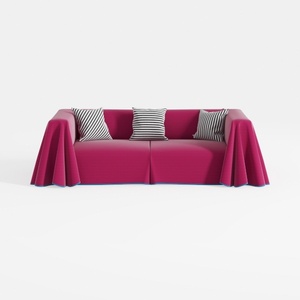

Modern Magenta Fabric Slipcovered Sofa With Striped Throw Pillows 3D Model

Pastel Pink Fabric Modern L-shaped Sectional Sofa 3D Model

Minimalist Pink Fabric Loveseat Sofa with Throw Blanket 3D Model
Homestyler is your go-to online platform for home design! Experience its user-friendly design tool, stunning 3D renderings, and a wealth of DIY video tutorials. Whether you're a beginner or seasoned designer, Homestyler will inspire you to transform your space effortlessly!
立即免费设计
































