

For over ten years, I've implemented scent strategies in model homes, rental properties, and busy lobbies, adhering to the same core principle that applies within personal spaces: A room freshener must enhance the ambiance without being overpowering. When I choose a Riya room freshener, I prioritize the fragrance family before considering the delivery method and placement in relation to airflow. Evidence-based design plays a significant role here—WELL v2 indicates that aromas can greatly sway perceived comfort and stress levels when handled thoughtfully (as noted in the Aromas & Pollutants guidance). Further, research from Steelcase illustrates that sensory comfort, including olfactory elements, ties closely to overall workplace satisfaction, highlighting the subtle yet impactful role that scents play in influencing the mood and behavior of those present.
It's essential to pay attention to scent tolerance and intensity. According to the WELL v2 guidelines regarding Indoor Air Quality (AIR Concept), volatile compounds and excessively strong fragrances can lead to discomfort for sensitive individuals. Thus, I prefer formats with low to moderate intensity, allowing for intermittent diffusion in common areas. From a human-factors perspective, insights from Verywell Mind on color psychology reveal that our brains connect sensory cues such as color, light, and scent to our emotions; pairing lighter, citrus-focused scents with bright, neutral interiors can enhance the perception of cleanliness, while richer woody notes are conducive to relaxation in dimly lit, evening settings.
Before applying any scent, it’s vital to assess the airflow in your space. Factors like supply vents, return paths, door swing directions, and convective loops influenced by heating sources or sunlit windows all affect how scents are distributed. In compact areas, positioning a plug-in or reed diffuser close to a cross-vent path can ensure even distribution; conversely, in open-plan settings, two low-intensity diffusers are often more effective than a single strong one to prevent scent concentrations. Should you be experimenting with placement or restructuring your space, utilizing a room layout tool like Homestyler can visualize circulation alongside furniture arrangements, yielding optimal coverage.
Making the Right Choice for Riya Fragrance Family
- Citrus & Green: These scents are ideal for kitchens and entryways, exuding a clean and fresh aura that’s perfect for high-traffic areas. They complement cooler color temperatures (4000–5000K) and light, reflective surfaces—apply lower intensity near prep zones.
- Floral & Soft Fruity: Suited for bedrooms and dressing areas, these scents should feature light sillage to prevent olfactory fatigue. Warmer lighting (2700–3000K) can enhance the cozy feeling of floral notes.
- Woody, Amber, or Spiced: Best for living rooms and evening lounges, it’s advisable to diffuse these intermittently to avoid overwhelming saturation, particularly in environments with soft furnishings that trap scents.
- Aquatic & Fresh Linen: Perfect for bathrooms and laundry spaces, keep the source of these scents away from direct humidity to maintain the longevity of reed life and plug-in devices.
Choosing Your Method of Scent Delivery
- Reed Diffusers: They provide a passive and steady release, ideal for small to medium-sized rooms. Be sure to rotate the reeds weekly and position them 18–30 inches away from traffic paths to prevent accidental disturbances.
- Plug-in Diffusers: These ensure consistent output with adjustable intensity levels. Place them near return airflow or doorways for a gentle scent pull, rather than direct release at nose level.
- Room Sprays: Offering a quick refresh after cooking or entertaining, sprays should be directed into the room’s airflow (not on textiles) to minimize staining and scent buildup.
- Gel/Passive Solids: Require minimal maintenance, making them perfect for closets and powder rooms. They also work well as a secondary layer beneath a primary diffuser in larger spaces.
Lighting, Color, and Scent: Minor Adjustments, Major Impact
The way lighting is managed in a space can significantly alter how a scent is perceived. The IES guidelines for residential ambient lighting typically recommend levels between 10–20 footcandles (100–200 lux) in living areas and higher in task zones; under warmer light (2700–3000K), woody notes become more pronounced, whereas cooler light (4000K) accentuates citrus notes. Reducing direct glare ensures the environment feels serene rather than clinical. Coordinate scents with your color palette: a kitchen dressed in sage-green and white welcomes citrus-herb fragrances, while a walnut-paneled den elegantly aligns with cedar or amber aromas.
Understanding Human Factors: Intensity, Habituation, and Guests
People can become accustomed to scents in as little as 15–30 minutes, encouraging owners to overapply fragrances. Therefore, it’s important to regulate intensity based on visitor perceptions, rather than your desensitized sense of smell. In shared living spaces, maintaining at least one scent-free zone (such as a den or home office) is essential for those sensitive to fragrances. It's advisable to use milder scents in smaller bedrooms, gradually increasing intensity only during gatherings.
Room-by-Room Placement Strategies
- Entry: Position a low-intensity diffuser 3–6 feet from the door's swing path to create a subtle yet inviting welcome. In narrow foyers, consider placing a reed diffuser on a console table, away from outerwear.
- Living Room: Two moderate scent sources situated in opposite corners achieve a more balanced coverage in open layouts. Avoid placing them next to soft furnishings to prevent the materials from absorbing the scent unevenly.
- Kitchen: After cooking, opt for neutralizing sprays or gels near the return airflow, while a light citrus-green diffuser should be kept away from food preparation areas. Never position them above heat sources.
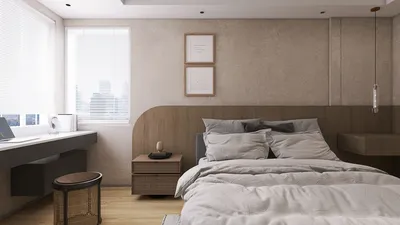
- Bedroom: Utilize a subtle diffuser positioned 6–8 feet from the headboard, ideally located near low-velocity airflow paths. For evening relaxation, keep a plug-in running on its lowest setting.
- Bathroom: Keep diffusers out of the direct shower stream, positioning them on shelves about 4–5 feet high. Begin by ventilating the area before lightly applying scent.
Considerations for Acoustic and Material Effects
Soft and porous materials (like wool rugs or thick drapes) tend to absorb both sound and scent, extending their persistence in the room. If you’ve recently updated your fabrics, start with milder scents. In spaces where sound echoes due to hard surfaces, opt for lower intensity fragrances and choose rounded notes (such as vanilla or soft woods) to ensure a comfortable atmosphere.
Maintenance and Safety Tips
To maintain effectiveness, flip reed diffusers weekly and rotate reeds for lowered output. Monthly cleaning of plug-in instillations is recommended, keeping them away from curtains. Store sprays in cool, dark environments to sustain their top notes, while ensuring all scent products are kept out of children’s and pet's reach, avoiding usage near open flames.
Layering Scents by Season and Occasion
Spring: Citrus-herb or green tea scents are refreshing for kitchens and entryways. Summer: Light aquatic or linen scents enhance bathrooms and guest quarters. Autumn: Utilize spicy wood scents in living areas but keep applications short. Winter: Embrace resinous woods or soft amber; offset the heaviness in kitchens with fresh notes. For gatherings, it’s beneficial to introduce scent around 30 minutes before guests arrive, subsequently reducing intensity.
Troubleshooting Common Scent Issues
- Overpowering Fragrance: Remove a few reeds or lower the plug-in intensity; cross-ventilate the space for 5–10 minutes before resetting.
- Uneven Distribution: Assess airflow and adjust the scent source to be closer to a return path or doorway, and monitor over a 24-hour period.
- Lingering Cooking Odors: Begin by ventilating the area before applying a neutralizing spray; layer a light, clean scent only once the base odor has dissipated.
Frequently Asked Questions
Maintain a low to moderate intensity, as guests are likely to perceive scents much more strongly than residents, due to olfactory habituation. Start with fewer reeds or a lower plug-in setting, adjusting only if necessary.
Position two low to moderate scent sources at opposite ends of the seating arrangement, ensuring they align with natural airflow paths. Avoid placing them directly next to upholstered items to prevent scent absorption and hotspots.
Yes, you can use multiple scents, but ensure they belong to complementary fragrance families (such as citrus-green in the kitchen and soft herbal or linen scents in the dining area) to prevent clashes at mixing air spaces.
Citrus and fresh-linen scents are best enjoyed under cooler white light around 3500–4000K, while warmer 2700–3000K light enhances the cozy characteristics of wood and amber notes for evening relaxation.
Incorporate intermittent diffusion and take scent breaks daily. Rotate fragrance families depending on the season. Rather than increasing output when scents become unnoticed, step away and reset the environment with good ventilation.
Keep all fragrance products out of pets’ reach, utilizing lower-intensity applications. Ensure proper ventilation and observe your pet’s reactions. When uncertain, prioritize lower outputs and refrain from applying scents directly in pet-frequented areas.
For smaller rooms, aim for 30–60 minutes on low to establish the scent presence; for larger spaces, increase to 90 minutes on low before a break for an hour. Adjust based on the unique airflow and furnishings present.
Start by ventilating the space with a hood or window, then wipe down surfaces, applying a neutralizing spray. After the main odor is managed, introduce a light citrus-green note to prevent any conflicting smells.
Sprays may leave marks on textiles or lacquer if sprayed directly. Instead, mist into the open air and let the natural airflow carry it. Always conduct a test on an inconspicuous area if contact is likely.
Bright, cool color schemes work perfectly with citrus and green fragrances, while warm woods and darker tones blend beautifully with cedar, amber, and soft spice scents. This harmonious pairing emphasizes the intended ambiance.

Minimalist Solid Oak Linen 3 Seater Sofa 3D Model
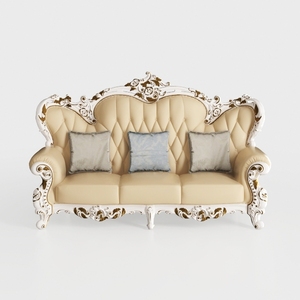
Baroque Luxury Leather Tufted Three Seat Sofa 3D Model
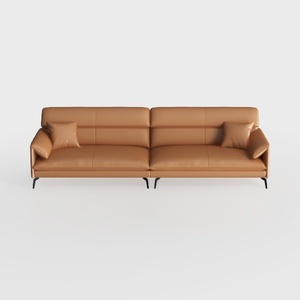
Modern Minimalist Tan Leather Living Room Sofa 3D Model
Discover the magic of home design with Homestyler! This user-friendly platform offers an incredible online design tool, stunning 3D renderings, and a vast array of inspiring design projects. Plus, you can learn from DIY video tutorials that will guide you every step of the way. Transform your space effortlessly!
Desain sekarang Gratis
































