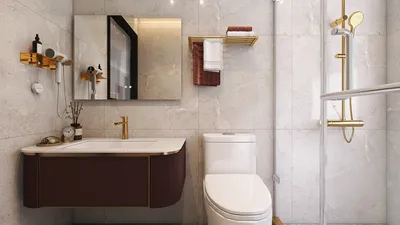


Purple exhibits a unique duality, possessing the ability to soothe like a tranquil dawn while simultaneously infusing a space with striking artistic flair. In various home and workplace designs, I have successfully incorporated purple to create desired moods, establish focal points, and add richness to otherwise understated color palettes. Its influence is backed by research, with sources like Verywell Mind linking purple to notions of creativity and sophistication in color psychology. Additionally, studies from Gensler reveal that well-designed environments can significantly boost creativity levels among knowledge-driven professionals. When paired with appropriate lighting and textured materials, purple transforms from a mere color choice to an intentional design element, particularly when utilizing tools like Homestyler for 3D visualization.
Colors interact with light, creating a necessary alliance rather than a confrontation. According to the IES guidelines, desired lighting levels range from 300 to 500 lux for living areas, climbing to as much as 750 lux in task-specific regions. In my designs, deep shades of purple such as eggplant and plum flourish under warm lighting of 3000 to 3500K, while lighter hues like lavender perform best at around 3500 to 4000K. The WELL v2 standards also highlight the importance of glare management and quality light for comfortable visibility, guiding me in blending purple effectively with neutral shades and accent colors. Adhering to these standards ensures that the vibrancy of purple is maintained without leading to visual fatigue or distortion.
Considering human behavior is essential in design spaces. Saturated shades of purple can enhance social interactions when complemented by warm wood elements and matte metallic finishes. In areas requiring concentration, I tend to utilize purple sparingly—maintaining it at 10 to 20% of the visual space—to minimize overwhelming sensory input, while incorporating softer neutrals and textured fabrics to ensure acoustic comfort. When layout revisions are needed prior to finalizing paint or finishing touches, employing tools like Homestyler proves invaluable in experimenting with sightlines, lighting effects, and furniture arrangements against chosen color themes.
Lavender + Charcoal + Brushed Nickel
In the design of contemporary living rooms and snug apartments, I recommend using lavender on the walls, paired with charcoal millwork for a streamlined effect. Accented by brushed nickel or stainless steel hardware, this approach remains stylishly modern. I prefer using a matte or eggshell finish for lavender under lighting at 3500 to 4000K to avoid any unwanted pink hue. A single plum element, such as a plush cushion, can effectively attract attention without overwhelming the overall scheme.
Plum + Sand Beige + Ecru Linen
For bedrooms, saturated colors foster a sense of warmth and comfort. Painting one feature wall in plum behind the bed, with sand beige on the others, combined with ecru linen bedding, creates a cozy cocoon. To promote relaxation in evening settings, it's important to maintain light levels between 150 to 300 lux using 2700 to 3000K lighting. A wool or tencel rug also provides sound absorption and thermal comfort.
Eggplant + Walnut + Matte Black
In the context of media rooms and open-concept lofts, I often utilize eggplant wall panels incorporated with walnut cabinetry and matte black fixtures for an artistic atmosphere. The key is to exercise restraint—avoiding overly glossy finishes to prevent glare. Dim track lighting with narrow beams can highlight artwork while maintaining the profound richness of eggplant. In narrower spaces, I suggest limiting eggplant tones to the lower sections of cabinetry, while using mid-tone neutrals on the opposite walls to maintain an illusion of spaciousness.
Lilac + Sage + Bone White
For kitchens and breakfast areas that benefit from an open feel, lilac pairs exquisitely with sage cabinetry and bone-white countertops. It's crucial to ensure color harmony by matching the undertones: cool lilac should accompany cool sage, while warmer greens should be avoided with cool purples. Satin finishes on cabinets and anti-glare task lighting maintain color integrity in work zones. If plans include banquette seating, testing circulation widths and table offsets with an interior layout planner prior to finalizing materials is advisable.
Grape Accent + Concrete Gray + Oak
In modern studios and innovative office spaces, employing an accentuation strategy can elevate design. Use grape as an accent on a feature such as a niche, door, or a defined stripe against concrete gray walls and oak flooring. The natural wood texture mellows the cool contrast between gray and purple. I recommend keeping accent colors under 15% of the overall space to prevent visual oversaturation. Linear pendants at 3500K sustain material authenticity for both concrete and wood.
Mauve + Terracotta + Warm White
Mauve serves as a versatile bridge color—blend enough to complement neutrals while being warm enough to meld well with earthy hues. Combining mauve walls with terracotta planters or a backsplash, finished off with warm white ceilings, creates an inviting ambiance, especially in dining spaces. Introducing ribbed plaster or slatted timber adds texture and enhances acoustics.
Orchid + Navy + Polished Brass
For an entryway or powder room that makes a statement, consider orchid accents against navy paneling, highlighted with polished brass fixtures. Keep the orchid saturation limited—a singular vanity, mirror frame, or narrow design element suffices. Visually dividing the wall at approximately 900 to 1200 mm helps manage proportions in smaller areas, reserving orchid accents above the chair rail to draw the eye upward.
Iris + Soft Gray + Frosted Glass (Work Zones)
In at-home offices, adding a calculated touch of iris on shelving or back panels introduces energy without distraction. The soft gray walls offer a neutral backdrop, while frosted glass provides a balance of privacy and light diffusion. Appropriate task lighting set between 500 to 750 lux with 3500K bulbs is necessary for reading clarity, ensuring the vibrant iris hue remains intact.
Violet + White Oak + Slate (Bath)
In bathrooms, violet tiles or wall paint—limited to one accent wall—work beautifully with white oak cabinetry and slate flooring. High CRI lighting (90+) is essential to prevent skin tone misrepresentation. Satin or semi-gloss paints are ideal for moisture-prone areas, complemented by a matte microcement niche in a neutral gray that balances the overall design.
Color Proportions and Spatial Balance
I typically allocate purple to comprise 10 to 30% of the overall color scheme, pairing it with 60 to 80% neutral tones and leaving around 10% for metallics or accent woods. This distribution achieves visual tranquility. In tighter quarters, I prefer to integrate purple through furnishings (curtains, rugs) rather than wall surfaces, which helps to preserve perceived space. In more expansive areas with higher ceilings, deeper purples can be used on lower cabinetry or wainscoting to anchor the aesthetic composition.
Lighting Temperature and Purple Accuracy
The temperature of light can alter the perception of purple. At 2700K, plum appears romantic; when viewed under 4000K, it assumes a sharper, cooler quality. I recommend dim-to-warm LED bulbs for living and dining spaces, allowing purple to adapt throughout different times of the day. Managing glare with baffled trims and indirect cove lighting enhances the richness of purple, as it is best appreciated when light subtly grazes across its texture rather than being directed head-on.
Materials and Finishes that Love Purple
Purple shines when set against tactile, matte textures: bouclé fabrics, honed stone surfaces, limewash, and velvet materials are all favorable companions. Pair these with open-grain woods such as oak and ash as well as ceramics featuring a gentle sheen. For those focused on sustainability, options like plant-based paints and FSC-certified wood are worth exploring; matte surfaces commonly achieve a truer representation of purple while minimizing errant light reflections.
Behavioral Cues and Zoning with Purple
Utilizing darker shades of purple can effectively delineate zones—like reading nooks or media areas—without erecting physical barriers. Lighter variations should be strategically placed in circulation paths to ensure brightness and ease of movement. In shared environments, I often position purple behind seating or on back walls to promote a sense of calm; in hospitality settings, a subtle purple band above the bar height can enhance visibility and direct flow.
Testing Your Scheme Before You Commit
Always conduct color tests in the actual light of the room. Apply paint swatches of no less than 24 x 24 inches on multiple walls, evaluating them from morning to evening while adjusting lamp temperatures to observe any shifts in hue. If overhauling furniture and partitions along with color selections, tools like Homestyler allow for clear visual assessments of space, viewing angles, and finish interactions before any painting commences.
One-Stop Pairings Cheat Sheet
- Soft: Lavender + Mist Gray + White Oak
- Cozy: Plum + Sand + Bronze
- Bold: Eggplant + Walnut + Matte Black
- Fresh: Lilac + Sage + Bone
- Graphic: Grape + Concrete + Oak
- Luxe: Orchid + Navy + Brass
Authority Notes
For further insights into color psychology and how it can impact creative environments, I frequently reference Verywell Mind’s analysis. IES guidelines alongside WELL v2 resources provide dependable frameworks for optimal lighting levels, glare reduction, and visual comfort tailored to different activities and space types.
FAQ
Q1: Which shades of purple are most suitable for small spaces without appearing overwhelming?
A1: Opt for gentle hues like lavender, lilac, or mauve in matte or eggshell finishes. Pair with warm white ceilings and trim, limiting purple to 10 to 20% of the wall area. Lighting around 3500 to 4000K ensures clarity and avoids color distortion.
Q2: How can I prevent purple from appearing too red or blue when illuminated?
A2: Choose high-CRI (90+) LED bulbs and test different temperatures at 3000K and 3500K. Warmer lights can shift purple toward red, while cooler options may introduce blue tones. Always sample on-site and review throughout the day for accuracy.
Q3: Does purple enhance focus within a home office environment?
A3: Yes, in moderation. Use colors like iris or soft violet on shelving or specific panels, combining them with neutral gray walls and task lighting around 500 to 750 lux. Research affirms that adequate lighting enhances productivity and comfort during reading or screen tasks.
Q4: Which wood tones work best with purple?
A4: White oak, ash, and walnut are ideal pairings. Oak and ash complement cool purples, while walnut adds depth to plum and eggplant accents. Opting for matte or low-sheen finishes will help maintain a harmonious look.
Q5: Is it appropriate to use purple shades in kitchens?
A5: Absolutely—consider lilac cabinetry with sage elements and bone countertops, or limit purple features to stools or backsplashes. Ensure that task areas receive at least 500 lux of light and utilize anti-glare fixtures to preserve color accuracy near work surfaces.
Q6: What is the maximum acceptable use of purple in any given space?
A6: Generally, it is advisable to limit purple to 30% of the visual area in living spaces. For smaller or poorly lit environments, keep it under 15% and focus on incorporating it via fabrics rather than on permanent surfaces.
Q7: Which metals can successfully coexist with purple in modern designs?
A7: Brushed nickel, matte black, and aged brass work remarkably well. Nickel aligns cleanly with lavender tones; brass adds warmth to plum and mauve colors; black effectively grounds deeper eggplant shades in minimalist settings.
Q8: What paint finish is advisable for purple walls?
A8: For living spaces and bedrooms, matte or eggshell finishes minimize glare and distortion; satin or semi-gloss finishes are better suited for bathrooms and kitchens for ease of cleaning while maintaining visual appeal.
Q9: Does purple influence the perceived size of a room?
A9: Yes, deeper shades can visually pull a room in, making it feel smaller if overused. Limit dark purples to lower cabinets or a single wall; keep the rest of the space light and neutral to sustain an open appearance.
Q10: How can I effectively layer textures with purple?
A10: Combine velvet or bouclé fabrics with honed stone and open-grain woods for a balanced look. Purple appears enriched against matte, tactile surfaces; be cautious of using excessive glossy elements that amplify glare.
Q11: What solutions exist for renters who cannot paint their living spaces?
A11: Introduce purple tones using curtains, rugs, wall art, and slipcovers. Removable films for glass surfaces and portable lamps featuring 3000 to 3500K bulbs can also enhance the hue temporarily.
Q12: What is a beginner-friendly color scheme incorporating purple?
A12: Start with lavender walls, mist gray trim, white oak flooring, and brushed nickel accents. Adding a singular plum cushion or throw can provide visual interest without overwhelming the space.

Velvet Curved Sectional Sofa Luxury Living Room Furniture 3D Model

Modern Purple Velvet Metal Frame L-shaped Sectional Sofa 3D Model

Homestyler is your go-to online home design platform that empowers you to create stunning spaces effortlessly. With an intuitive design tool, impressive 3D renderings, and a wealth of design projects and video tutorials, transforming your home has never been so easy and inspiring!
Zaprojektuj teraz za darmo
































