


I've always enjoyed incorporating orange into my designs due to its cheerful and inviting warmth that is instantly felt upon entry. The key lies in managing its vibrancy through careful consideration of lighting, proportions, and textures to create an energizing yet not overwhelming atmosphere. Orange effectively anchors social areas, and when teamed with cooler neutral tones or earthy hues, it transforms a living room into a vibrant and welcoming hub. Utilizing a tool like Homestyler can help visualize these design elements effectively.
Colors play a crucial role beyond mere aesthetics—they influence our behavior. Research compiled by Verywell Mind highlights that warm shades such as orange inspire enthusiasm and vitality, which promotes social interaction in common areas. Additionally, the WELL v2 framework emphasizes the importance of balanced lighting and glare management to ensure visual comfort, especially when working with vibrant colors. For those who seek to harmonize health considerations with design efficacy, the WELL guidelines on lighting and its influence on circadian-supportive illumination can serve as a valuable resource. You can explore the WELL v2 guidance for further insights.
In practical applications, I find that my living room designs featuring orange accents consistently exhibit enhanced spatial clarity when ambient and task lighting are layered according to IES recommended practices for luminance uniformity and glare reduction. As a performance standard, I suggest aiming for an ambient light level of around 150–300 lux in living areas, complemented by adjustable task lighting near seating areas to maintain comfort without overpowering the orange tones. These values align with standard residential guidelines followed by many designers, including users of Homestyler.
The Role of Orange: Optimal Usage
Let orange take center stage, but ensure it shares the spotlight. I typically apply a ratio of 60/30/10: 60% neutral base (such as soft greige, warm white, or muted taupe), 30% complementary or secondary colors (like deep navy, forest green, or charcoal), and a 10% presence of orange through textiles, artwork, or a single upholstered feature. This balance fosters a stimulating yet serene atmosphere, keeping the space lively while remaining calm.
Effective Pairings for Orange: From Subtle to Bold
Charcoal is an excellent anchor for orange, preserving its vibrancy. Consider a charcoal sectional adorned with burnt orange velvet cushions alongside a walnut coffee table, and pair it with matte black lamps to minimize reflections—orange truly stands out on matte surfaces as opposed to high-gloss finishes.
Navy serves as a cool counterpart to orange. A persimmon armchair against a navy media wall forms a striking focal triangle when complemented with a textured rug. This color combination offers a refined yet warm vibe, making it ideal for both contemporary and transitional designs.
Pairing earthy tones with orange brings a soothing balance to the palette. Terracotta walls or clay-toned curtains complemented by forest green built-ins evoke a natural and cohesive feel. Employ natural textiles such as jute and linen to soften the visual impact.
A soft orange paired with creamy neutrals creates an airy, luminous atmosphere. This approach works particularly well in smaller living rooms—lighter shades enhance reflection, creating a perception of more space while keeping energy levels bright yet comfortable.
Understanding Light Temperature for Orange: Achieving the Right Glow
Orange appears at its best under warm to neutral white light. For ambient lighting, a color temperature of 2700–3000K will enhance the warmth of orange without imparting a red tint. In task-focused areas, use 3000–3500K to achieve sharper contrast. To mitigate glare, opt for diffused lighting solutions, indirect uplighting, and dimmable drivers. Both WELL v2 and IES guidelines recommend measures against flickering—using high-quality drivers and LEDs with a high color rendering index (CRI of 90+) is essential to ensure that orange fabrics and paints keep their true color.
The Importance of Texture, Materials, and Finishes
Texture is crucial to avoid color fatigue. I often combine orange velvet or bouclé accents with grounded materials—like walnut, white oak, travertine, or rattan—to add tactile softness. Limewash or matte paint can reduce high reflectivity, allowing orange to maintain an elegant touch. Prioritizing sustainable choices, I advocate for FSC-certified woods and natural fibers, as well as durable, low-VOC finishes to maintain indoor air quality, especially in high-traffic living spaces.
Strategic Placement: Maximizing the Impact of Orange
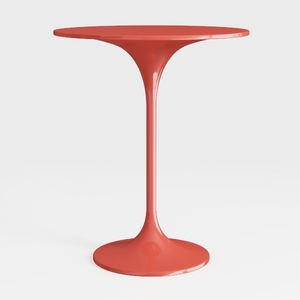
Use orange strategically to communicate warmth and sociability in conversation areas. I typically position it across three zones: seating (throws, cushions), vertical elements (feature walls or significant artwork), and low-level features (ottomans, glazed side tables). Ensure circulation paths remain neutral to prevent visual clutter.
If you are reconfiguring your furniture layout, utilizing a layout simulation tool like Homestyler can be incredibly helpful to visualize sightlines and focal points before finalizing color placements.
Small Living Rooms: Achieving Scale without Overwhelm
Opt for lighter shades and smaller doses of orange. Shades like apricot and peach in textiles, alongside slim-framed orange artwork and warm wooden elements, keep the room feeling open and airy. Position mirrors opposite windows to bounce natural light, but be cautious with placing strong orange elements directly in reflections, as this can amplify saturation.
Modern vs. Cozy: Adapting to Style Language
Deploy a single saturated piece—like a vibrant tangerine chair—against a backdrop of whites and soft greys. Maintain clean lines, steer clear of busy patterns, and employ micro-textures (such as ribbed ceramics and boucle pillows) to add depth.
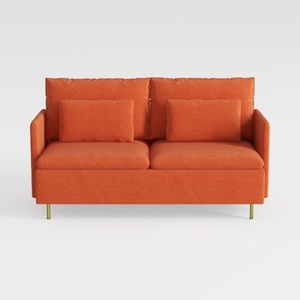
Layer terracotta pottery, patterned kilim rugs featuring rust tones, and book spines in saffron shades. Mix scale: introduce one significant orange element (like a piece of artwork or a sofa) alongside several smaller accents to create a visual rhythm without causing clutter.
Orange and Metallics
Muted brass and aged bronze complement orange beautifully, contributing warmth without glare. Polished chrome can be more challenging; if included, keep orange at lower saturation to avoid clashes. Brushed nickel or matte black can act as cooler counterpoints around modern fixtures.
Window Treatments and Management of Daylight
Natural light dramatically influences orange tones. Light, sheer linen at south-facing windows can help maintain warmth; for west-facing spaces, consider dual-layer drapes to manage afternoon brightness. Strive for balanced daylight levels while avoiding hot spots; position orange accents away from glare-prone areas to preserve color integrity.
Patterns: Incorporating Stripes, Geometrics, and Organic Designs
Using stripes in cream and rust can elongate sightlines, while geometric patterns in navy and orange create a clean feel. Organic motifs—like leaf or clay patterns—add softness and connect orange back to earthy materials. Keep pattern coverage below 30% of visible surfaces to avoid overwhelming the space.
Practical Maintenance for Color
Utilize removable covers for high-saturation textiles to minimize fading during gentle laundry cycles. Consider solution-dyed materials for sun-exposed locations. For painted surfaces, choose a washable matte or eggshell finish to ensure minor scuffs don't necessitate complete repaints.
Sample Color Combinations
- Burnt Orange, Charcoal, Walnut, Warm White
- Persimmon, Navy, Cream, Brushed Brass
- Terracotta, Forest Green, Linen, Rattan
- Apricot, Soft Grey, White Oak, Matte Black
Common Errors and Solutions
- Over-saturation: Limit orange to accessories and expand the neutral base.
- Insufficient lighting: Incorporate layered sources with dimming options; maintain ambient lighting within the 2700–3000K range.
- Excessive gloss: Select matte finishes and diffused surfaces for balance.
- Pattern overcrowding: Restrict to two families of patterns and vary their scale for visual respite.
Frequently Asked Questions
Aim for about 10–15% of the visible surfaces to feature orange. Utilize lighter shades like apricot, distributing them across textiles and minor décor rather than extensive walls or larger furniture pieces.
For ambient lighting, choose warm to neutral whites in the range of 2700–3000K. Employ 3000–3500K for task-focused lighting to ensure a lively yet comfortable color appearance.
Charcoal, navy, and warm whites can stabilize saturation effectively. Incorporate natural woods like walnut or white oak as grounding elements, along with one cool accent (such as matte black or brushed nickel) to introduce contrast.
Absolutely—feature a single saturated item against a neutral background and rely more on textures than additional colors for depth. Maintain clean lines and ensure soft lighting.
Transition to sophisticated shades such as burnt orange or terracotta, introduce natural elements (wood, stone, linen), and add aged metals (brass, bronze) to enrich the palette's maturity.
Utilizing rich materials like velvet or wool for textiles complements grounded elements like wood, rattan, or travertine. Choosing matte paints and diffused finishes also assists in controlling glare, maintaining color fidelity.
Certainly. Southern light warms and enriches color, while western light can heighten intensity late in the day. Light, sheer linens paired with dual-layer drapery can effectively modulate glare and color shifts.
Seek approximately 150–300 lux in ambient lighting through layered sources, while adhering to high CRI (90+) LEDs to depict colors accurately in space. These ranges correspond with general residential interpretations of IES guidelines.
Limit pattern coverage to less than 30% of the available surfaces; choose a maximum of two pattern families (for instance, stripes and organic designs) and ensure varied scales for visual balance.
Incorporate muted tones like apricot or terracotta in cushions, throws, and artwork for easy updates without significant commitments like repainting or reupholstering. Pair with warm white lighting to enhance the overall palette.


Discover the joys of home design with Homestyler! This user-friendly platform offers an incredible online design tool, stunning 3D renderings, and a wealth of design projects and DIY video tutorials. Transform your space effortlessly, regardless of your experience level—bring your vision to life today!
Concevez maintenant gratuitement
































