

The color on your walls sets the vibe of a living room even before you consider the furniture, art, or lighting. I view wall painting as an interplay of light, proportion, and psychology: a well-chosen shade can make a small area feel larger, calm a chaotic layout, or invigorate a gathering space. According to Gensler’s US Workplace Survey, well-thought-out designs can enhance performance and experience, while Steelcase research emphasizes that our surroundings affect mood and behavior—two crucial elements rooted in color and lighting choices. The WELL v2 guidelines remind us that intentional lighting design fosters comfort and well-being, which should resonate with your paint selections.
Statistics further highlight practical decisions. The WELL v2 Light concept stresses that managing glare and fine-tuning brightness enhances visual comfort and task efficiency. Aim for balanced lighting layers while avoiding harsh reflections, especially on glossy paint. The Illuminating Engineering Society (IES) recommends a brightness of 100–300 lux in living spaces, which allows mid-sheen finishes to appear elegant without hot spots. Insights from Verywell Mind’s research into color psychology suggest that blues and greens evoke calmness, yellows uplift energy, and reds energize—valuable insights when selecting tones that suit your family’s routines.
Establishing the Atmosphere: Integrating Color Psychology into Daily Life
Color must do more than simply please the eye; it should serve a purpose. I prefer using soft blue-gray in reading spaces to foster concentration, muted sage in open living areas for tranquility, and warm beige with peach undertones to introduce a gentle warmth without the heaviness associated with darker shades. If your evenings are more social, a desaturated terracotta accent can add a communal feel while managing contrast effectively. In homes that receive morning light, cooler neutrals help maintain crispness; for spaces with warmer western light, consider neutrals accented with green or blue undertones to temper the late afternoon amber glow.
Utilizing Light: Managing Brightness, Sheen, and Glare
The quality of light significantly alters the perception of paint throughout the day. In rooms that face east, cool tones appear brighter at dawn, while warm colors deepen at sunset in west-facing spaces. Maintain an overall brightness between 100–300 lux (as per IES recommendations), combining ambient and accent lights for optimal effect. High-gloss finishes can amplify glare; I typically opt for eggshell or matte finishes on larger walls to minimize spots of glare, reserving satin for trim to provide subtle contrast. In areas where reflections occur, such as a TV facing a feature wall, matte finishes are ideal to minimize distracting mirror-like reflections.
Establishing Your Color Palette: Neutrals, Midtones, and Accent Strategy
Begin with three layers: your foundational neutral, a supportive midtone, and a singular accent. Foundation neutrals should possess well-regulated undertones: consider a greige that neither tilts pink nor yellow, a neutral white maintaining a balanced light reflectance value (LRV), or a sandy beige with gray elements to avoid an orange tint. Supportive midtones add depth: options might include slate blue, olive gray, or mushroom taupe. Your accent should be applied thoughtfully: a single wall or alcove can suffice. I prefer to place accents on walls opposite the main light source to prevent excessive brightness and glare.
Manipulating Perception: Color Blocking and Visual Ratios
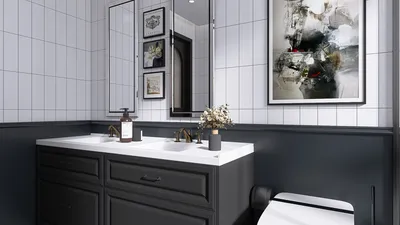
Paint can reshape the perception of space. Painting the lower third of a wall a darker hue and the upper two-thirds a lighter shade creates the illusion of a higher ceiling; the 1:2 ratio lends a balanced look. A darker ceiling can pull the room inward, which is effective for larger areas needing intimacy. Meanwhile, a ceiling painted a shade lighter than the walls enhances vertical space. If you’re organizing furniture zones, align paint blocks to demarcate seating and flow, and utilize a room design visualization tool like Homestyler for clarity and coordination.
The Importance of Finish: Sheen Levels and Material Compatibility
The finish you choose impacts the elegance and functionality of your walls. Matte finishes conceal imperfections beautifully in diffused light. Eggshell finishes provide cleanability without glare, making them perfect for busy living spaces. Satin finishes elevate the appearance of trims and doors. When pairing textured walls such as limewash, subtle plaster, or brushed techniques, opt for low-gloss lighting to enhance depth. Against natural oak, warmer grays and soft greens create a harmonious look; conversely, cooler neutrals work well with walnut to prevent an overly warm palette.
Timeless Feature Walls
While design trends may shift, your feature wall should remain relevant over time. I lean towards tonal richness rather than high-contrast shades. A blended charcoal-lavender combination exudes sophistication and pairs beautifully with brass accents; a deep forest gray-green creates a sense of grounding with organic materials. If you opt for patterns—such as broad stripes or geometric shapes—keep the color scheme cohesive and restrict the design to one wall. Balance your selections with art sizes: large, uncomplicated pieces on darker walls, and smaller, more intricate arrangements on lighter surfaces.
Ceiling and Trim: The Inconspicuous Framework
Ceilings and trim provide the architectural continuity within a space. A ceiling painted a shade lighter (by about 5-10%) than the walls creates an impression of height. Using satin finishes on crown and baseboards outlines structural lines without drawing undue attention. Doors finished in a midtone similar to wall colors create thoughtful transitions that feel intentional. In rooms with reduced daylight, it’s best to avoid stark white trims; opt for softly warmed whites instead to reduce visual distractions.
Defining Spaces: Paint as a Cue for Function
Leverage paint to indicate purpose. Reading nooks benefit from cooler neutrals that promote focus, while social areas invite warmth with muted hues. For homes integrating work spaces, consider a desaturated blue hue behind the desk to signal a concentration zone. Lighter shades in circulation areas help facilitate movement.
Sustainability and Health Considerations: Low-VOC and Easy Maintenance
Choose low- or zero-VOC paints to ensure air quality is maintained inside your home, and check for manufacturer certifications. Selecting durable and washable finishes lowers the frequency of repainting and its associated environmental impact. Aim for classic color palettes to minimize waste resulting from trend-driven painting. Proper cleaning techniques—using microfiber cloths and gentle soaps—extend the lifespan of your finishes without compromising sheen.
Pre-Commitment Testing
Always test paint colors with swatches that are at least 24 by 24 inches across various walls. Take note of the color at different times of day using your current lighting setup. Documenting the paint under different exposures can help in assessing the right choice. Explore how hues interact with floors, fabrics, and cabinetry to fine-tune undertones if necessary.
To comprehend lighting and wellness standards impacting paint choices and comfort, refer to WELL v2 Light recommendations and IES advice. These resources provide a human-centric basis for decision-making, steering clear of randomness in your selections.
Common Queries
Q1: What brightness level is ideal for my living room to showcase paint effectively?
A: To ensure optimal appearance, maintain ambient brightness around 100–300 lux, as suggested by IES standards for living spaces. Combining ambient and accent lighting can help mitigate glare and monotony.
Q2: Which colors can foster relaxation without appearing dull?
A: Opting for muted greens, soft blue-grays, and warm beiges with well-balanced undertones can create a soothing environment. Verywell Mind’s color psychology suggests that blues and greens promote tranquility, aligning well with evening routines.
Q3: Does paint sheen significantly affect glare?
A: Absolutely. High-gloss finishes can intensify reflections, particularly near windows and televisions. Eggshell or matte options minimize glare, enhancing visual comfort in accordance with the WELL v2 focus on managing glare.
Q4: How can I choose an accent wall without making the space appear smaller?
A: Position the accent wall opposite the main light source and opt for a desaturated hue. In narrow areas, avoid overly dark shades; mid-depth accents maintain equilibrium without constricting space.
Q5: What’s the safest trim color if I am undecided?
A: A soft, neutral white that carries a hint of warmth complements most wall colors. Aim for satin finishes to enhance durability and achieve a subtle highlight that frames the architectural details without causing glare.
Q6: Can paint effectively delineate a work-from-home area in my living room?
A: Certainly! A desaturated blue or cool gray applied behind your desk can prompt focus, visually differentiating that space. Adjacent social areas can be painted in slightly warmer tones to define function clearly.
Q7: How should I deal with strong western light in the evenings?
A: To counteract the warm hues of evening sun, select wall colors that feature green or blue undertones. Consider matte finishes for larger surfaces to lessen glare from low-angle sunlight.
Q8: Are low-VOC paints a worthwhile choice?
A: Definitely. Low- or zero-VOC formulations enhance indoor air quality and minimize odors, promoting comfort and wellness. Ensure good ventilation while painting and afterward for optimal results.
Q9: What’s the most effective method for testing colors?
A: Paint sizable samples on various walls and observe them throughout the day. Assess colors in actual lighting to identify undertone shifts; tweak tints by 5-10% if adjustments are warranted.
Q10: In what way can color blocking influence room proportions?
A: Utilizing a darker lower band alongside a lighter upper area can elevate the perceived height of the ceiling. A ceiling painted lighter than the walls emphasizes vertical expansion, while the reverse compresses large areas, creating a more intimate feel.

Minimalist White Solid Wood Square Coffee Table 3D Model

Minimalist Clear Acrylic Rectangular Coffee Table 3D Model
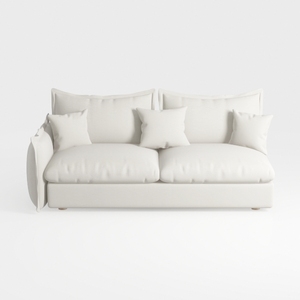
Minimalist White Fabric Loveseat Sofa with Throw Pillows 3D Model
Homestyler is your go-to online home design platform! With its user-friendly design tool, stunning 3D renderings, and an array of DIY video tutorials, it empowers you to effortlessly create and visualize your ideal living space. Unleash your creativity and transform your home with ease!
Design jetzt kostenlos
































