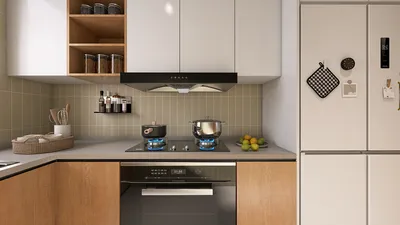


Color plays a crucial role in more than just the decoration of a function hall; it significantly influences the pace, mood, and expectations of attendees as soon as they arrive. Utilizing an effective color scheme in expansive venues can enhance wayfinding efficiency, increase guest comfort, and lengthen the time clients or exhibitors engage with the event. According to research from Gensler’s Workplace Survey, the right balance of focus and social interaction created through color can elevate individual productivity by up to 20%. This insight is vital when designing color zones for versatile spaces. Furthermore, the WELL v2 standard emphasizes the necessity of quality lighting and visual comfort; ensuring optimal light levels (typically between 300 and 500 lux in multipurpose venues) and reduced glare helps vibrant hues appear planned and harmonious rather than overwhelming.
In managing my design projects, I prioritize specific and measurable outcomes: the average ambient illumination by segment, the correlated color temperature (CCT) ranges for different times of the day, and sound absorption levels to ensure that colorful areas don’t become uncomfortably loud. Steelcase reports that environments that accommodate various postures and activities lead to heightened engagement; we reflect this in our designs through color-coded microzones—using warm tones for networking and neutral-cool shades for presentations, directing behavior intuitively. To streamline crowd movement, I maintain a contrast ratio of at least 3:1 between pathways and seating areas, helping guests navigate effortlessly without reliance on additional signage.
Establishing Purpose: Color as a Behavioral Signal
Every function hall can enhance its effectiveness by choosing a color palette that aligns with the intended behavioral dynamics of the event. For energetic trade shows, I recommend applying warm, vibrant accents—such as tomatoes red, electric coral, and turmeric—at critical touchpoints like registrations, demonstration areas, and bar fronts to invigorate the atmosphere and improve guest flow. According to Verywell Mind’s insights on color psychology, reds and oranges can heighten arousal and urgency, essential for facilitating quick transitions, while cooler colors like blues and greens promote relaxation and are great for lounge areas or quiet seating.
Essential Color Framework for Large Venues
I use a 60/30/10 color guideline tailored for larger venues: 60% neutral tones (flooring, primary walls), 30% softer shades (wayfinding elements, soffits, sound-dampening panels), and 10% high-contrast accents (stage areas, sponsor backdrops, photo displays). Neutral choices such as warm gray or greige flatter skin tones under varied lighting conditions. Mid-tone color areas like desaturated teal or mineral blue help create a soothing environment in expansive settings. Bold accent colors like saffron or carmine add striking branding opportunities. This color ratio maintains visual harmony and helps prevent fatigue during extended events.
Prioritizing Lighting: Proper Color Implementation
The perception of color is heavily influenced by the lighting that accompanies it. I recommend setting ambient lighting to 300–400 lux for reception areas, increasing it to 400–500 lux for exhibitions, and utilizing 2700–3500K temperatures for hospitality settings while 3500–4000K works well for presentations to ensure natural appearances on camera. The IES advises managing glare and contrast for comfort; utilizing matte or eggshell finishes can mitigate harsh reflections on vivid colors. Strive for a 3:1 ratio between accent and ambient lighting for stage and display areas so colors appear vibrant without overwhelming glare. In spaces that convert from conferences to gala events, it is effective to plan two lighting scenes: a cooler, brighter setup for daytime and a warmer, dimmer ambiance for evenings that deepens red and amber hues for enhanced atmosphere.
Navigation Through Color and Contrast
In congested settings, color serves as a silent guide. Implementing a continuous stripe of color (approximately 300–450 mm in width) along walls or as carpet features can effectively direct guests from the entrance to key areas. It’s vital to keep the circulation colors cooler and darker compared to seating areas to uphold that essential 3:1 contrast ratio. Attention-grabbing entrance zones should feature bolder accents, such as saffron archways or cobalt highlights, to reinforce shifts in space. For adaptable venues, utilizing removable color elements like fabric panels, graphic vinyl, or RGBW lighting can facilitate theme changes without the need for repainting.
Integrating Acoustics and Color
Brightly colored surfaces may create a louder ambiance when spaces are acoustically lively. By pairing prominent hues with high-NRC acoustic features like colored felt fins, PET acoustic panels, and fabric-covered wall sections, one can achieve a sense of calm. Soft, desaturated color fields also contribute to a tranquil environment and, combined with plush textures, help reduce perceived noise levels. If glossy colors must be present near performance areas, they can be balanced with deep, sound-absorbing drapery in adjacent zones to enhance acoustic stability.
Understanding Human Interaction and Seating Dynamics
Guests tend to linger in areas where they feel visible and comfortable. Colors like blue and green in lounge settings encourage longer stays and facilitate quieter exchanges; whereas warm tones near bars and sponsor stations help quicken movement and encourage turnover. Ensure dining surfaces are neutral-mid, avoiding stark white to minimize glare, while selecting chairs in slightly warmer shades to maintain a natural complexion. In banquet environments, a warm-white lighting overlay (2700–3000K) enhances the richness of reds and ambers in linens without deteriorating skin tone quality.
Backdrop, Stage, and Camera Considerations
The colors chosen for video presentations need careful consideration to ensure clarity on camera. Avoid pure red backdrops for keynotes as they can quickly overload camera sensors. Instead, opt for deep teal, midnight blue, or charcoal with a warm accent, which create depth while preserving skin tones. Side walls may feature a gradient wash in brand-specific colors; ensuring proper instrument angles helps avoid hotspots and moiré effects. Limit the use of reflective metallics to minor accents, preventing issues with camera exposure.
Balancing Branding Without Overwhelming the Space
In events with multiple sponsors, consolidating brand imagery into distinct zones—such as check-in points, photo opportunities, and stage edges—can be effective. Keeping the main area neutral allows the eye to reset, aiding guest movement. When representing multiple brands, adopting a cohesive base palette with individual accent points helps manage visual clutter while offering each sponsor a defined presence.
Selection of Materials and Finishes
Color selection is closely linked to material finish. For high-touch surfaces, I prefer durable laminates or powder-coatings in mid-chroma to disguise wear. Eggshell or matte acrylics are recommended for wall finishes to maintain color fidelity under mixed light. Sustainable PET felt in subdued tones absorbs sound, enhances color depth, and reduces glare. When setting up LED feature walls, ensure specifications include a CRI of 90+ and R9 values exceeding 50 to keep reds in flora and food items vibrant without dulling.
Utilizing Dynamic Colors for Versatile Event Calendars
For venues hosting various events—from corporate meetings to weddings—a dynamic color system proves beneficial. RGBW lighting along structural elements, interchangeable fabric banners, and modular acoustic panels can allow easy transitions between professional and celebratory designs within hours. I establish three ‘base looks’ with predetermined lighting options and accent kits, which simplifies the transition process for event teams.
Prioritizing Color Touchpoints Where It Matters Most
- Entry and registration: Utilize high-contrast accents to streamline guest flow and establish starting points.
- Main circulation pathways: Opt for cooler, deeper mid-tones that evenly blend energy with clarity.
- Stage/backdrop: Implement controlled, camera-friendly neutrals with limited brand accents to maintain focus.
- Lounges and food/beverage areas: Incorporate a warmer, softer ambiance that enhances guests' and products' natural appeal.
- Sponsor zones: Concentrate brand colors while ensuring acoustic quality to mitigate fatigue.
When arranging spatial adjacencies, utilizing a digital interior layout planner simplifies the process of testing sightlines, lighting setups, and color combinations prior to construction—especially crucial for large venues with movable partitions. Leverage room layout tools to simulate audience perspectives, aisle dimensions, and color focal points: room layout tool.
Sample Color Palettes Tailored for Various Event Types
- Corporate summit: Primary—charcoal and mineral gray; Secondary—slate blue and eucalyptus; Highlights—copper and saffron. Lighting settings at 3500–4000K during the day, dropping to 3000K in the evening.
- Gala/wedding: Base—warm ivory and soft taupe; Secondary—blush and sage; Highlights—burgundy and champagne. Lighting advised at 2700–3000K for a high CRI conducive for floral displays.
- Trade show: Primary—neutral gray; Secondary—cool teal and graphite; Highlights—electric coral and cobalt. Incorporate dynamic RGBW lights for feature areas.
Implementation Checklist for Effective Color Strategy
- Assess illuminance: Target a range of 300–500 lux based on event type and verify using meters.
- Configure CCT scenes: Use 3500–4000K for clarity and 2700–3000K for hospitality settings.
- Minimize glare: Opt for matte finishes and shielded fixtures in accordance with IES guidelines.
- Adhere to a 60/30/10 color ratio to prevent visual fatigue.
- Develop a color-coded wayfinding plan utilizing a 3:1 contrast ratio against adjacent fields.
- Complement vibrant colors with acoustic sound-absorbing materials.
- Prepare three distinct looks for events, coordinating lighting and mobile color elements beforehand.
Further Reading References
Delve into studies exploring how spaces bolster behavior and well-being via organizations like Gensler Research Institute and WELL v2 performance metrics.
Frequently Asked Questions
Start with a neutral foundation (warm gray or taupe) to maintain flexibility, supplemented with desaturated blues and greens for a calming effect, and reserve 10% of the palette for vibrant splashes (like saffron, coral, or cobalt) at key points. This strategy keeps your hall versatile for various events.
Utilizing cooler 3500–4000K light enhances clarity and brings out crispness in blues and greens, while warmer 2700–3000K lighting enriches the presentation of reds and ambers and flatters skin tones. Setting both scenes is critical for venues that host both daytime and evening events.
For general multipurpose environments, a lighting level of 300–500 lux is commonly considered adequate. The lower range is suitable for receptions and dining, while the upper spectrum applies for exhibitions and activities requiring focused reading. Always confirm with a light meter to ensure consistent color rendering.
Create continuous color bands, carpet inlays, or ceiling elements to establish visual pathways. Aim for a 3:1 contrast between circulation routes and proximal seating to ensure ease of navigation.
Rich colors like deep teal, navy, and charcoal, when paired with limited warm accents, photograph effectively and maintain correct skin tones. Steer clear of pure red areas, which may distort on camera sensors, and regulate sheen to prevent the creation of glare spots.
Combining vibrantly colored accents with high-NRC materials such as PET felt, fabric-covered panels, and drapery can control sound. Use desaturated colors for larger areas, while keeping glossy finishes to a minimum to avoid distractions.
Absolutely—maintain a shared neutral color scheme and allocate distinct accent points for each sponsor (including areas for photo opportunities and kiosks). Concentrate color intensity in those localized zones while ensuring that public areas like circulation routes and lounges remain visually calm.
Strive for a CRI of 90+ in combination with a robust R9 score (50 or higher) to ensure that reds in skin tones, floral arrangements, and food appear naturally vibrant. This approach upholds the integrity of branding and materials for both photography and live audiences.
Aim to keep structural elements neutral, while incorporating color through programmable lighting, interchangeable fabrics, and movable decorative items. This method allows for palette adjustments for seasonal events or cultural celebrations without the need for repainting.
Using an interior layout planner to evaluate seating arrangements, sightlines, and lighting scenes permits pre-emptive overlay of color options. Simulation tools aid in assessing how diverse palettes influence flow across various occupancy levels.
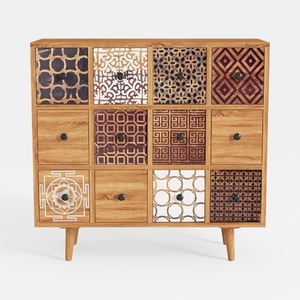
Best Choice Products 9-Cube Storage Organizer
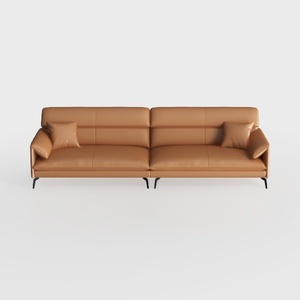
Modern Minimalist Tan Leather Living Room Sofa 3D Model
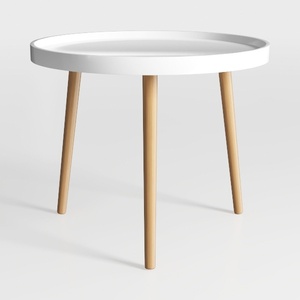
danpinera Round Side Table, Metal Legged Accent
Discover the ease of home design with Homestyler! This user-friendly online platform offers a powerful design tool, stunning 3D renderings, and an array of design projects. Plus, you'll find inspiring DIY video tutorials to guide your creative journey. Start transforming your space today!
تصميم الآن مجانا
































