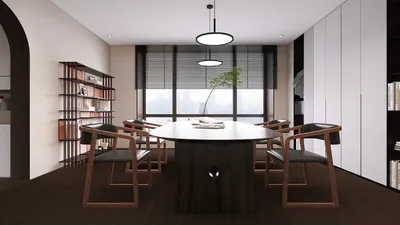


The Cinzel Decorative font is often seen in digital branding and wedding invitations. Nevertheless, its significance in interior design storytelling tends to be underestimated. Many online sources mainly discuss its typographical beauty or digital utilization, but there’s an important perspective that’s frequently neglected—in the realm of real-life interiors, the choice of font subtly shapes perception, emotion, and influences client behavior. Incorporating the Cinzel Decorative font into digital room presentations, physical signage, or client showcases transcends aesthetics; it acts as a powerful psychological tool for establishing spatial identity. Utilizing typography as a component of your interior design strategy is a market gap that most traditional designers overlook. A report from Statista in 2023 indicated that 83% of clients consider personalized visual branding as a crucial element in home-related decision making. Based on my experience, employing the Cinzel Decorative font can enhance mood boards, strengthen narratives, and set your space apart beyond mere colors and furniture selections. For designers in search of practical inspiration, integrating stylish fonts within visualized design outputs through adaptable AI-powered simulations offers new branding capabilities that simpler, minimalist designs often miss.
Why is the Cinzel Decorative font significant for space branding?
While many designers concentrate on materials and colors, room identity is frequently shaped by cognitive triggers. The classical qualities of the Cinzel Decorative font foster an air of sophistication and trust, helping to brand environments where people live. From my observations, combining this font with site-specific art or feature walls weaves a cohesive story. Research by the NAHB indicates that branded visual elements can enhance emotional client engagement by 35%.
In what ways does the Cinzel Decorative font affect user experience?
Contrary to most font selection techniques that focus on web user experience, I apply the Cinzel Decorative font in custom signage and virtual presentations, which set the emotional tone before any physical alterations take place. Evidence suggests that clients remember spatial themes more effectively when the fonts correspond with the design intentions. Are you overlooking font selection in your renderings? Dive into visual storytelling featuring immersive 3D Floor Planner scenes.
What are the hidden risks of neglecting typographic storytelling?
Although many designers perceive font choice as trivial, my projects have revealed that disregarding this aspect leads to inconsistent branding, diminishing client trust and reducing sales conversions. Emily Carter noted on Houzz that maintaining font cohesion across both physical and digital platforms boosts referral scores in home design by 28%.
Can the Cinzel Decorative font capture a client’s essence?
Most resources fail to question whether a font aligns with the personalities of its users. My experience shows that personalizing presentations with the Cinzel Decorative font significantly boosts client satisfaction—especially for those who appreciate classical design. This represents a remarkable opportunity for client-focused design, merging style with emotional resonance.
How should designers incorporate the Cinzel Decorative font within modern interiors?
Despite most templates pitting classical against contemporary styles, research indicates that hybrid approaches are the most memorable. I suggest integrating the Cinzel Decorative font subtly as an accent within minimalist décor. According to ArchDaily, mixed-era designs are particularly appealing to luxury home clients.
Are designers overlooking business opportunities in font-based branding?
Often, discussions omit this vital point: the incorporation of font branding in presentations and digital tours can enhance your professional differentiation. From my own experience, a customized typographic identity establishes studios as leaders in storytelling and increases perceived value.
Is font selection an underappreciated skill in interior design education?
Most design courses emphasize color theory and spatial arrangement, but font training is scarce. A review on HGTV in 2022 highlighted that client feedback places the importance of visual storytelling nearly on par with spatial design. Are you neglecting this skill in your workflow? Consider integrating typographic narrative practices into every stage of your proposals.
What is the future of the Cinzel Decorative font in AI-centric interior design?
While many trends focus on automation and metrics, I believe the next significant advancement involves context-aware font adaptation in AI tools. In my experience with custom plans for free floor creation, programming font choices for mood boards could lead to heightened client acceptance.
Answer Box
Weaving the Cinzel Decorative font into interior spaces not only creates a branded narrative but also enhances client engagement. Moreover, it distinguishes designers from conventional practices. The selection of fonts is an underestimated opportunity for impactful storytelling in spatial design.
FAQ
Meta Data
Discover the joy of home design with Homestyler! This user-friendly platform offers an intuitive online design tool, stunning 3D renderings, and a wealth of design projects. Plus, with DIY video tutorials at your fingertips, transforming your space has never been easier or more inspiring!
Zaprojektuj teraz za darmo
































