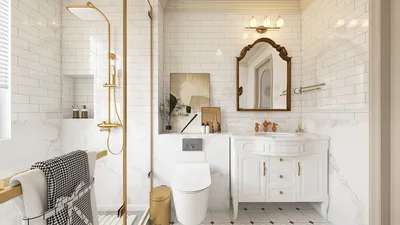


The combination of grey and coral creates a refined contrast in a bedroom setting. While grey provides a soothing backdrop, coral adds a burst of warmth. This color pairing is ideal for spaces that need to feel both tranquil and invigorating—perfect for energizing mornings and relaxing evenings. Additionally, this palette resonates well with the preferences of many individuals looking for a balance of neutral tones and vibrant pops of color.
Studies indicate that warm colors can enhance mood and comfort perception. According to Verywell Mind's explorations into color psychology, shades such as reds and warm oranges bring stimulation and vitality, while neutral colors like grey foster a sense of stability and calm—beneficial for bedrooms that should remain lively yet restful. The WELL v2 standards highlight the importance of lighting quality and circadian rhythm; utilizing lighting in the 2700-3000K range during the evening helps melatonin production, while brighter, cooler lights during daytime hours promote alertness. By combining strategic lighting with intentional color design, a grey and coral bedroom can maintain harmony throughout the day and night.
To achieve optimal lighting, it's crucial to quantify your needs rather than rely on estimations. For a bedroom, I recommend a baseline of 100-300 lux for ambient light, complemented by 300-500 lux for task lighting like reading. The Illuminating Engineering Society (IES) advocates for layered lighting which reduces glare and increases comfort. When incorporating coral accents, opt for high CRI (90+) light sources to prevent colors from appearing dull; meanwhile, grey finishes are best suited to low-gloss or matte options to limit glare.
Palette Structure: Selecting the Ideal Grey and Coral Shades
Begin with a mid to light neutral grey for the walls (with a Light Reflectance Value of 55-70) to ensure the room remains bright and welcoming, even in natural light. Avoid overly cool greys in dimly-lit areas, as they can appear uninviting. Coral should range between soft salmon and vibrant grapefruit, occupying around 5-15% of overall visible surfaces to maintain an elegant appearance. Use muted coral on larger fabric surfaces such as blankets and curtains, while opting for brighter shades on smaller items like pillows and artwork. This careful ratio allows the space to remain calming while giving coral its designated space.
Material Choices: Textures That Enhance the Design
Texture plays a vital role in the effectiveness of grey. Utilizing matte wall paint, linen drapes, wool-blend rugs, and brushed metallic accents creates a rich tactile experience. Coral shines in plush velvet cushions, boucle blankets, or shining bedside elements. Incorporate a single natural material—such as warm oak or rattan—to balance the palette's warmth. To promote sustainability, prioritize finishes that are low in volatile organic compounds (VOCs) and certified wood, as recommended by WELL v2 for improving indoor air quality and sleep quality.
Lighting Dynamics and Color Accuracy
Effective layered lighting is essential in spaces featuring grey and coral. Choose ceiling fixtures that spread light evenly (such as those with paper, fabric, or opal glass shades) while minimizing glare. For evenings, select warm white bulbs (2700-3000K), while having a tunable light source in dressing areas that can enhance brightness to 3500-4000K for mornings. Accenting coral elements with CRI 90+ bulbs is crucial to maintain true color representation; a poor CRI may cause coral tones to appear muddied. Implementing dimmer switches enables transitioning between various settings: bright reading mode (300-500 lux) and calming unwind mode (100-150 lux, in warm tones). It is advisable to limit reflective surfaces and to choose satin finishes for grey paint to create gentle luminance transitions.
Arrangement Techniques and Visual Symmetry
The placement of coral is key to achieving balance. Position larger grey elements—like walls, headboards, and rugs—first, then strategically add coral accents at focal points such as beds and art pieces. For elongated rooms, consider placing coral features at the foot of the bed (such as a bench or throw) to help direct the viewer's gaze forward and balance the longer shape. In tighter spaces, leverage vertical coral elements like slender lamps or tall artwork to create height without overwhelming the room. Utilizing a room layout tool like Homestyler can significantly enhance the process of visualizing traffic flow and sight lines.
Acoustic Comfort and Soft Textiles
A serene bedroom environment thrives on sound-dampening solutions. Grey rugs made from wool or plush materials help absorb impacts, while upholstered headboards soften echoes. Layering sheer and blackout drapes further minimizes outside noises. Coral accents can be integrated into these soft textures—think of a coral-upholstered bench or throw that adds both warmth and acoustic ease. Additionally, consider door sweeps and fabric wall panels if your room is exposed to busy street activity.
Ergonomics: Thoughtful Touchpoints and Reach
Incorporating human factors into design enhances functionality. Keep nightstands positioned between 2-4 inches lower than the mattress for optimal reach. Ensure that lamp switches are within comfortable reach, ideally set at 26-30 inches from the floor to reduce shoulder strain. Coral accents on handles or drawer pulls can provide a pop of color without overwhelming the space. Prioritize smooth edges and soft-touch materials to minimize disruptions during the night. If the area also serves as a reading nook, ensure that the chair height aligns with 16-19 inches, and that armrests support relaxed posture.
Art and Patterns: Achieving Harmony Without Clutter
The neutrality of grey encourages the use of patterns. I prefer small geometric prints in bedding paired with a single impactful piece of coral artwork for a focal point. Maintain visual balance by repeating coral touches across three different elements—art, fabric, and accessories—at varying heights. This method scaffolds interest while avoiding overwhelming color blocks. Metallic elements should be used sparingly; brushed nickel or champagne brass complements both warm and cool greys beautifully.
Storage Solutions and Subtle Night Lighting
To maintain tranquility, avoid clutter. Consider grey built-ins or wardrobes equipped with integrated lighting solutions. Using toe-kick LEDs at 1-2 watts per linear foot provides safe nighttime navigation without disturbing the overall atmosphere; coupling these with motion sensors set on a timer is beneficial. Coral can serve as an accent for niches or handle designs—keeping these as subtle enhancements preserves a timeless appearance.
Adaptability with Seasons
To refresh the mood with the changing seasons, play with the intensity of coral. During winter, consider deeper coral tones through terracotta cushions and wool blankets; in the summer months, lighten up with melon or blush hues. The grey foundation remains consistent, stabilizing these transitions. This straightforward approach preserves the integrity of your investment pieces while still offering a seasonal refresh.
Example Compositions
Options include light grey walls, oatmeal linen curtains, pale coral velvet pillows, brushed nickel bedside lamps, and a grey heather rug. A large coral abstract piece can serve as artwork over the bed.
Consider cool grey walls, a charcoal upholstered headboard, coral lacquer bedside tables, monochromatic geometric bedding, and a refined brass floor lamp with coral-themed artwork.
Explore greige walls, a boucle bench in soft coral, a rattan pendant light, a woolen rug, and satin grey wardrobes equipped with coral handles. Layer sheer and blackout drapes for added comfort.
Common Questions
To prevent visual fatigue, limit the use of coral to approximately 5-15% of visible surfaces. Employ muted shades for larger areas while using vibrant coral for small accents.
For evening calmness, aim for 2700–3000K lighting, while a range of 3500–4000K is optimal for morning efficiency. Ensure the use of CRI 90+ bulbs to maintain true coral representation.
Coral can be subtly included if restricted to vertical elements and textiles. Maintain grey walls while using slender coral pieces to enhance height and interest without crowding the space.
Opt for neutral to lightly warm greys to complement coral. Avoid very cool greys, as they can create an overly sharp contrast; utilize textures to soften the space when choosing cooler greys.
Employ one main pattern, such as in bedding or area rugs, alongside solid coral blocks. Repeat coral elements in three spots with varied heights to create an engaging visual rhythm.
Absolutely. Choose low-VOC paint, certified wood, and natural fabrics like wool or linen. These choices enhance texture while improving indoor air quality.
Aim for 300-500 lux at the page while controlling glare with diffusers or shade-covered lamps to align with IES guidelines for task lighting.
Incorporate a plush area rug, an upholstered headboard, layered curtains, and fabric-centered artwork to enhance acoustic absorption and mitigate echoes.
Indeed. Coral harmonizes beautifully with brushed nickel for cooler aesthetics and champagne brass for warmer designs. Maintain subtlety in metallics to preserve tranquility.
Utilize an interior layout planner like Homestyler to visualize furniture arrangements and color placements, ensuring effective traffic flow, sight lines, and accent distribution.


Giantex Twin Over Twin Bunk Bed, Solid Wood Bunk B

Modern Black Metal Canopy Bed With Sheer Curtains Bedding 3D Model

VELOCAVA California King Size Lift-Up Storage Bed
Homestyler is your go-to platform for stunning home design. With its easy-to-use online design tool, vibrant 3D renderings, and a wealth of DIY video tutorials, you can effortlessly create and visualize your dream space. Transform your ideas into reality today!
今すぐ无料でデザイン
































